 Ferndale Roofing
 Windows Built for Custer's Weather, Not Just Its Style
Custer sits in the open, rural stretch of Whatcom County between Ferndale and the Canadian border, where farmland and windbreaks of fir and cedar take the place of tight suburban blocks. Homes here sit farther apart and more exposed than they do in town, which is part of the appeal — but it also means the weather hits a house more directly. Salt-laden air moving in off the Salish Sea, wind-driven rain that comes in sideways during fall and winter storms, and long stretches of low winter sun that keep north- and west-facing walls damp for weeks all work on a window the same way they work on siding and roofing: slowly, and mostly in places you can't see.
A window replacement out here isn't just a cosmetic upgrade. Done correctly, it closes off the paths that moisture and wind have been finding into the wall for years. Done poorly — wrong flashing detail, the wrong sealant, a frame that isn't rated for the exposure Custer actually gets — it just gives the weather a new way in behind a nicer-looking window.
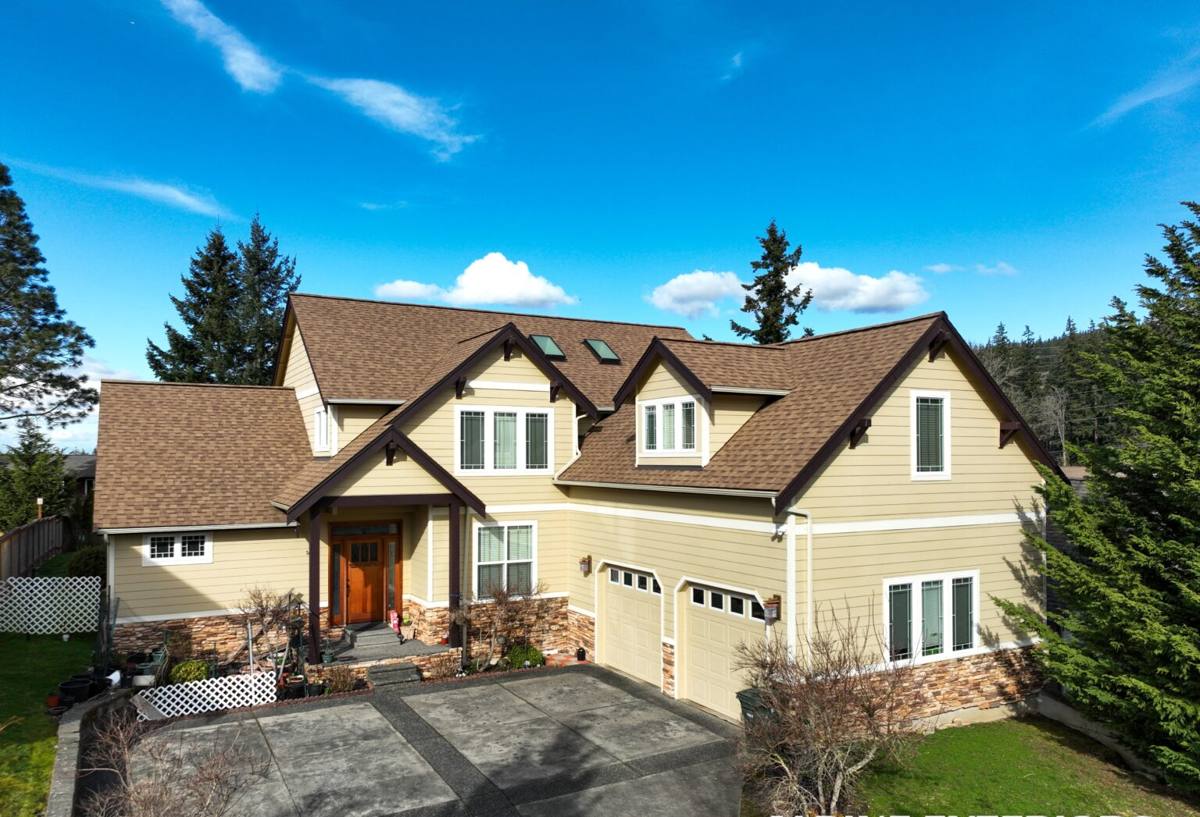
What This Climate Actually Does to a Window Over Time
Salt Air and Corrosion
Marine air carries fine salt that settles on hardware, weep holes, and metal components. On aluminum-framed windows especially, this shows up as pitting, corroded balance hardware, and locks that get stiff or seize. Vinyl and fiberglass frames don't corrode the same way, but the fasteners, hinges, and cranks in any frame material still need to be rated for coastal exposure, or they'll be the first thing to fail.
Driving Rain and Wind Load
Wind-driven rain doesn't just fall on a window — it gets pushed sideways and upward into any gap in the flashing or sealant. Older single-pane and early dual-pane windows in this area were rarely installed with the kind of pan flashing and weather-resistive barrier integration that's standard practice now, so a lot of Custer homes have been absorbing small amounts of water at the sill for years without any obvious sign until the wood beneath the window finally gives out.
Moss Season and Shaded Walls
Whatcom County's long, wet moss season isn't just a roof problem. On shaded or north-facing walls, moisture sits against the exterior trim and window casing far longer than it does on sun-exposed sides of the house, which accelerates wood rot around frames that already have a compromised seal. Window replacement on those shaded elevations often turns up more hidden damage than the sunnier sides of the same home.
Signs a Custer Home's Windows Are Past Their Useful Life
Not every aging window needs to come out immediately, but a few signs mean it's time to stop patching and start planning a real replacement:
- Fogging or a permanent haze between the panes — the seal has failed and the gas fill or air gap is gone
- Soft, spongy, or visibly stained wood at the sill or lower corners of the frame
- Windows that are difficult to open, close, or lock, especially after damp weather
- Noticeable drafts or cold spots near the frame even when the window is fully latched
- Paint that keeps failing or bubbling on the exterior trim around the window, faster than elsewhere on the house
- Visible daylight or gaps around the frame from outside
- A musty smell in the room during or after wet weather, even without visible mold
What a Correct Window Replacement Involves
A window is only as good as the opening it sits in. Swapping an old sash for a new one without addressing the surrounding wall is how a lot of "new" windows end up leaking within a couple of seasons. A proper job includes:
- Removing the old window completely and inspecting the framing, sheathing, and sill for rot or water damage before anything new goes in
- Repairing or replacing any compromised framing material — a new window installed against damaged wood just repeats the same failure
- Installing sill pan flashing so any water that does get past the window sheds back outside rather than sitting on the sill
- Integrating the window flashing correctly with the existing weather-resistive barrier, lapped in the right order so water always moves down and out
- Setting the window level, plumb, and properly shimmed so it operates smoothly and seals evenly for its full lifespan
- Insulating the gap between the frame and the rough opening without over-packing it, which can bow the frame
- Sealing and finishing the interior and exterior trim to shed water and match the surrounding siding or casing
Skipping any one of these steps is usually invisible on installation day and only shows up as a problem two or three winters later.
Choosing a Frame Material for This Climate
There's no single "best" window material for every home — it depends on the exposure, the existing siding, and the budget. Here's how the common options hold up specifically against salt air, wind-driven rain, and Whatcom County's damp winters:
| Frame Material | Coastal/Salt Air Performance | Maintenance | Best Suited For |
|---|---|---|---|
| Vinyl | Doesn't corrode; good moisture resistance | Low — no painting needed | Most homes prioritizing value and low upkeep |
| Fiberglass | Very stable in temperature swings and moisture; strong in high-wind exposure | Low | Homes with more direct wind or sun exposure |
| Wood-clad | Good if the cladding and flashing details are correct; interior wood still needs protection from condensation | Moderate to higher | Homes prioritizing a traditional interior wood look |
| Aluminum | Prone to corrosion and condensation in marine air unless thermally broken | Moderate — hardware needs attention | Limited residential use in this climate; better suited to sheltered applications |
We're not tied to one brand or material — the right call depends on your home's exposure, your siding, and what you're trying to solve. What we won't do is put a frame material in a spot it's poorly suited for just because it's what's on hand.
Glass Packages: What Actually Matters Here
In Custer's climate, the glass package matters as much as the frame. A few things worth understanding before you compare quotes:
U-factor measures how well the window resists heat loss — lower is better for our cool, wet winters. SHGC (solar heat gain coefficient) matters less here than in sunnier climates, but still affects comfort on west-facing rooms. Double-pane windows with a low-E coating and argon fill are the standard baseline for this region and perform well for most homes. Triple-pane windows add meaningful sound dampening and a slightly warmer interior surface temperature, which cuts down on condensation on cold mornings — worth considering for bedrooms or rooms that already struggle with moisture, but it's a real cost jump that isn't necessary on every opening in the house.
Condensation on the inside of new windows in winter is common and usually a household humidity issue, not a product defect — but persistent condensation between the panes always means a seal failure and a warranty claim.
Full-Frame Replacement vs. Insert Windows
There are two honest ways to replace a window, and which one is right depends on the condition of what's already there.
Insert (pocket) replacement fits a new window into the existing frame, leaving the old frame and exterior trim in place. It's faster and less disruptive to siding and interior trim, and it's a reasonable option when the existing frame is still structurally sound and dry.
Full-frame replacement removes the window down to the rough opening, including the old frame. It costs more and takes longer, but it's the only option when there's rot, a failed flashing detail, or moisture damage in the framing — which, given how much wind-driven rain this area gets, is more common in older Custer homes than people expect. We won't recommend an insert replacement over a home's objections when the frame underneath is compromised, because it just seals the problem behind a new window instead of fixing it.
Our Window Replacement Process
- On-site assessment — we look at each window individually, not just the house as a whole, since exposure and condition often vary by elevation
- Honest scope and quote — insert vs. full-frame, material and glass recommendations, and what we found (or expect to find) once we open things up
- Precise measurement and ordering — custom sizing for the actual opening, not a stock size that gets shimmed to fit
- Installation — old window removal, framing inspection and repair as needed, flashing, setting, insulating, and finishing, one opening at a time so the home isn't left exposed
- Site cleanup and a walk-through of every new window's operation before we call it done
What Drives the Cost of a Window Replacement
Every quote is different, but the same handful of factors are usually what separates a lower bid from a higher one:
| Factor | Why It Affects Price |
|---|---|
| Insert vs. full-frame | Full-frame requires more labor, disposal, and often exterior trim or siding repair |
| Frame material | Vinyl, fiberglass, and wood-clad price differently, and fiberglass typically costs more than vinyl |
| Glass package | Double-pane low-E is the baseline; triple-pane and specialty coatings add cost |
| Condition of the existing opening | Rot repair, re-flashing, or sheathing replacement adds labor beyond the window itself |
| Number and size of openings | Larger or custom-shaped windows and whole-house projects have different economies of scale than one or two rooms |
| Access and site conditions | Second-story windows, tight rural driveways, or extensive landscaping around the house can add setup time |
Broadly, homeowners in this area should expect a wide range depending on these factors — a single insert replacement costs far less than a whole-house full-frame project with rot repair included. We'll walk through where your project falls on that range before any work starts, not after.
Why Hire a Crew That Already Works in Custer
Rural Whatcom County homes come with their own quirks — older wood-frame construction, additions built at different times with different materials, wells and septic systems that limit where equipment can go, and long driveways that change how a crew stages a project. A contractor who works this area regularly already knows what to expect when they pull up, rather than figuring it out on your dime.
Just as important is knowing how the local weather actually behaves during a project. Wind-driven rain off the Salish Sea doesn't respect a forecast that says "partly cloudy," and a crew that's used to Whatcom County's conditions plans installation days — and protects open framing between steps — accordingly. That local familiarity is also why we don't treat window replacement as a separate trade from the rest of the exterior: the same flashing and moisture-management principles that keep a roof and siding system dry apply directly to how a window ties into the wall.
Keeping New Windows Performing for the Long Haul
A correctly installed window still benefits from a little seasonal attention, especially in this climate:
- Rinse salt residue off frames and hardware periodically, especially after storms
- Keep weep holes clear of dirt, pollen, and moss so water can drain out
- Check exterior caulking and trim paint annually, particularly on shaded or north-facing walls
- Operate locks and cranks through their full range a few times a year so hardware doesn't seize
- Watch for condensation between panes — it's the earliest sign of a seal failure and worth a warranty call before it gets worse
- Keep gutters and downspouts clear above window openings so overflow doesn't run down the wall and pool at the sill
If your windows are drafty, fogged, hard to operate, or you're just planning ahead for the next round of storms, we're happy to take a look and give you a straightforward, no-pressure estimate — no obligation, just an honest read on what your home actually needs.