 Ferndale Roofing
 New Roof Installation in Sumas: Built for What This Climate Actually Does
A new roof in Sumas has to do more than look good on the day it's installed. It has to shed heavy rain without backing up under the shingles, resist a long moss season without rotting the deck underneath, and hold up through wind events that come through the valley several times a winter. We install roofs for homeowners across Whatcom County, and the jobs we do in Sumas are built around the same conditions we see closer to Ferndale: driving rain, persistent moisture, and roofs that rarely get a real chance to fully dry out between storms.
This page is specifically about full new roof installation for Sumas properties — not repairs, and not a generic overview of roofing in general. If your roof is at the point where patching no longer makes sense, here's what a correct installation actually involves and what to expect from a crew that already works in this area.
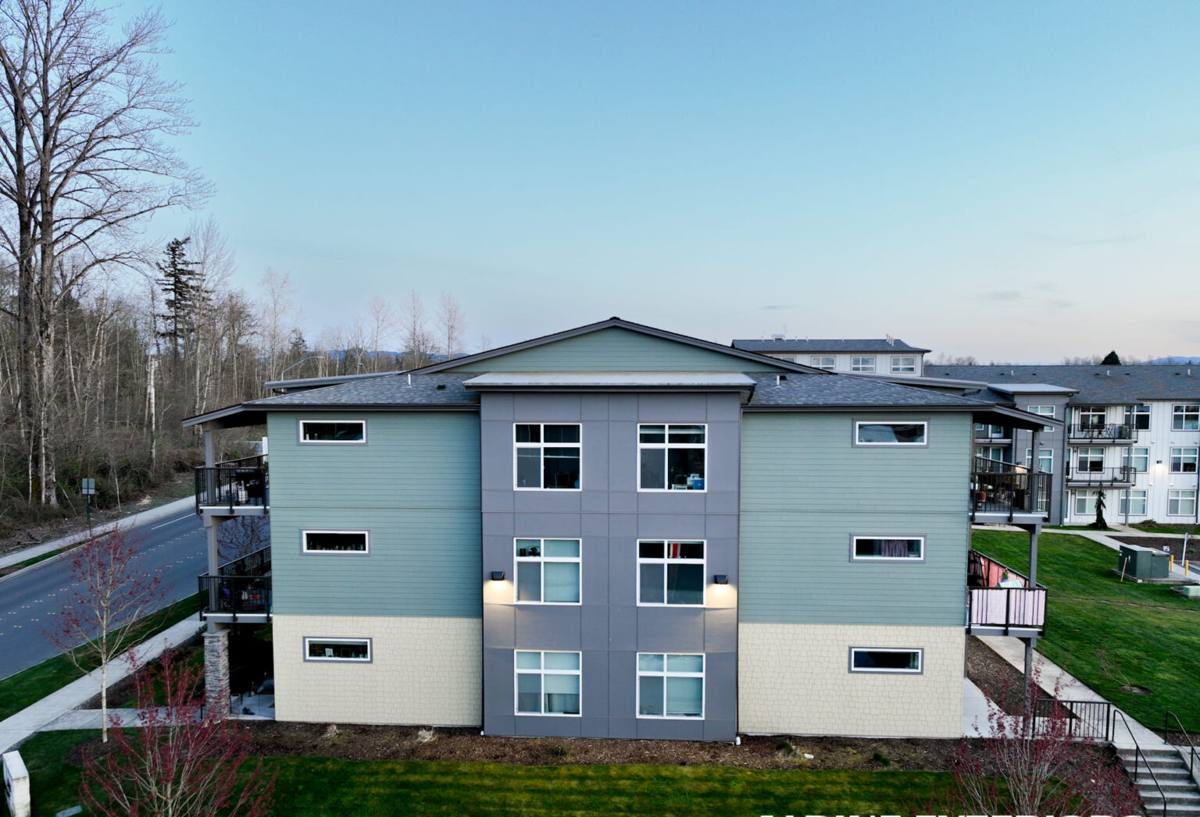
What This Climate Does to a Roof Over Time
A Long Moss Season
Whatcom County's wet season runs long, and shaded roof sections — north-facing slopes, areas under overhanging trees, valleys where two rooflines meet — stay damp for weeks at a stretch. Moss doesn't just sit on top of shingles; it holds water against the granule surface and, over years, lifts shingle edges and works its way toward the fasteners. A new roof installed without attention to ventilation and drainage in these areas will grow moss again within a few seasons, no matter how good the shingle is.
Driving Rain and Wind
Storms in this region rarely fall straight down. Wind-driven rain gets pushed sideways under shingle tabs, into open valleys, and around chimneys and vents — the exact spots where a rushed installation cuts corners. Flashing detail and underlayment coverage matter more here than in drier climates, because the roof is being tested from angles a standard installation doesn't always account for.
Salt Air and Coastal Exposure
Closer to the water around Ferndale, salt-laden air accelerates corrosion on exposed metal — nails, flashing, vent caps, and fastener heads. Even inland toward Sumas, moisture-heavy air shortens the working life of unprotected metal components. We spec corrosion-resistant fasteners and flashing on every installation for this reason, not just on waterfront properties.
Signs a Sumas Roof Needs Replacement, Not Another Repair
Homeowners often ask us to look at a roof expecting a repair quote and leave with a replacement recommendation instead. These are the signs that tip that decision:
- Granule loss heavy enough that you can see bare, shiny patches on multiple shingles
- Moss established in the seams, not just growing on the surface
- Soft or spongy decking felt underfoot during inspection, especially near valleys or eaves
- Daylight visible through the attic at the ridge, hips, or around vent penetrations
- Shingles curling, cupping, or losing their tabs in multiple areas rather than one isolated spot
- Repeated interior staining on ceilings after storms, even after past patch work
- A roof at or past the manufacturer's expected service life for its material and this climate
One or two of these on their own might still be repairable. Several at once, especially combined with age, usually means a repair is buying a year or two at best.
What a Correct New Roof Installation Actually Involves
Full Tear-Off and Deck Inspection
We remove the existing roofing down to the deck rather than layering over it. That's the only way to actually see what's underneath — soft plywood, rot around old penetrations, or damage from moisture that's been trapped for years. Any damaged decking gets replaced before anything new goes down; installing new roofing over a compromised deck just hides the problem for another owner to find later.
Underlayment and Ice/Water Barrier
Given how much rain this area gets, we don't treat underlayment as a formality. Self-adhered ice-and-water barrier goes at eaves, valleys, and around penetrations — the places most exposed to wind-driven rain and ice damming during cold snaps — with synthetic underlayment across the rest of the deck for a consistent secondary water barrier.
Ventilation
Proper intake and exhaust ventilation is one of the most skipped details in roofing, and it's a big part of why moss and rot come back after a poorly done installation. Balanced ventilation keeps the attic closer to outdoor temperature and humidity, which reduces condensation on the underside of the deck and slows moss growth on the surface.
Flashing and Penetration Detail
Chimneys, skylights, vent stacks, and roof-to-wall transitions are where most leaks start — almost never the open field of the roof. We install new step flashing, counter-flashing, and pipe boots at every penetration rather than reusing old flashing, since flashing has a shorter service life than the shingles around it.
Material Installation to Manufacturer Spec
Nailing pattern, exposure, and fastener count all affect wind resistance and warranty eligibility. We install to the manufacturer's published specification, not a shortcut version, so the material's actual rated performance and warranty terms hold up if you ever need them.
Choosing a Roofing Material for Sumas Conditions
There's no single "best" material for every home — it depends on your roof's pitch, tree coverage, budget, and how long you plan to stay in the house. Here's how the common options compare for this climate specifically:
| Material | Moss/Moisture Resistance | Typical Lifespan | Cost Factor |
|---|---|---|---|
| Architectural asphalt shingle | Good with proper ventilation and periodic cleaning | 25-30 years | Moderate — most common choice |
| 3-tab asphalt shingle | Fair; less algae/moss resistance than architectural | 15-20 years | Lowest upfront cost |
| Standing seam metal | Excellent; sheds moss and moisture well on adequate pitch | 40-50+ years | Higher upfront, lower lifetime cost |
| Synthetic/composite shingle | Good; consistent performance in wet climates | 30-50 years | Higher than asphalt, less than metal |
We don't push one material on every homeowner. A heavily treed, low-slope section of roof behaves differently than a steep, open south-facing slope, and the right material can vary even across a single roof.
Our Installation Process, Start to Finish
1. On-Site Inspection and Estimate
We look at the roof from the ground and, when needed, get up on it to check deck condition, ventilation, flashing, and any problem areas before quoting anything.
2. Material Selection
We walk through the tradeoffs above in plain terms — cost, lifespan, and how each option handles this area's moss and rain — so the decision fits your budget and how long you're planning to stay in the home.
3. Scheduling Around Weather
Roofing in this region means working around rain windows, not ignoring them. We schedule tear-off and dry-in to minimize how long your home is exposed, and we don't leave a deck open overnight without protection.
4. Installation Day
Tear-off, deck repair as needed, underlayment, flashing, ventilation components, and material installation happen in sequence, with the roof kept weather-tight at every stage that can't be finished same-day.
5. Final Walkthrough
We go over the finished roof and attic ventilation with you directly, so you know what was done and what to expect from the roof going forward.
Permits and Warranty Basics
New roof installations typically require a permit, and we handle that process rather than leaving it to the homeowner. On the warranty side, there are two separate things worth understanding:
- Manufacturer material warranty — covers defects in the shingle or metal product itself, and is only valid if the installation follows the manufacturer's specification
- Workmanship warranty — covers the installation itself, which is what we stand behind directly
A material warranty means little if the installation voids it through improper nailing or missing underlayment — which is exactly why we install to spec on every job, not just the ones we expect to be inspected.
Why Hire a Crew That Already Works in Sumas
Roofing crews that mainly work in drier parts of the country often under-spec ventilation and underlayment because it's never been tested by this kind of weather. A crew already working across Whatcom County — from Ferndale out toward Sumas — has seen how moss actually establishes itself here, how far wind-driven rain travels under improperly lapped shingles, and which details fail first when a roof isn't built for this climate. That's not a marketing point; it changes real decisions on the roof, like where extra ice-and-water barrier goes and how ventilation gets balanced.
If your roof in Sumas is showing its age or you're planning ahead rather than waiting for a leak, we're happy to take a look and give you a straightforward, no-pressure estimate — no obligation, just an honest read on what your roof needs. Use the form below to get started.