 Ferndale Roofing
 Sandy Point Sits Right in the Path of the Weather
Homes in Sandy Point face a harder version of the same weather the rest of Whatcom County deals with. Being close to the water means more direct salt-laden air, more wind-driven rain hitting walls at an angle instead of falling straight down, and a longer stretch of damp, shaded months where moss and algae get a foothold on anything that stays wet. Siding here isn't just cladding — it's the first line of defense against a climate that pushes moisture at the house from the side, not just from above.
That combination is why we treat Sandy Point as its own case, not a copy-paste of a job we'd do a few miles inland. The product still needs to be right, but the install details around it — flashing, gaps, fastening, finish — matter even more this close to the water.
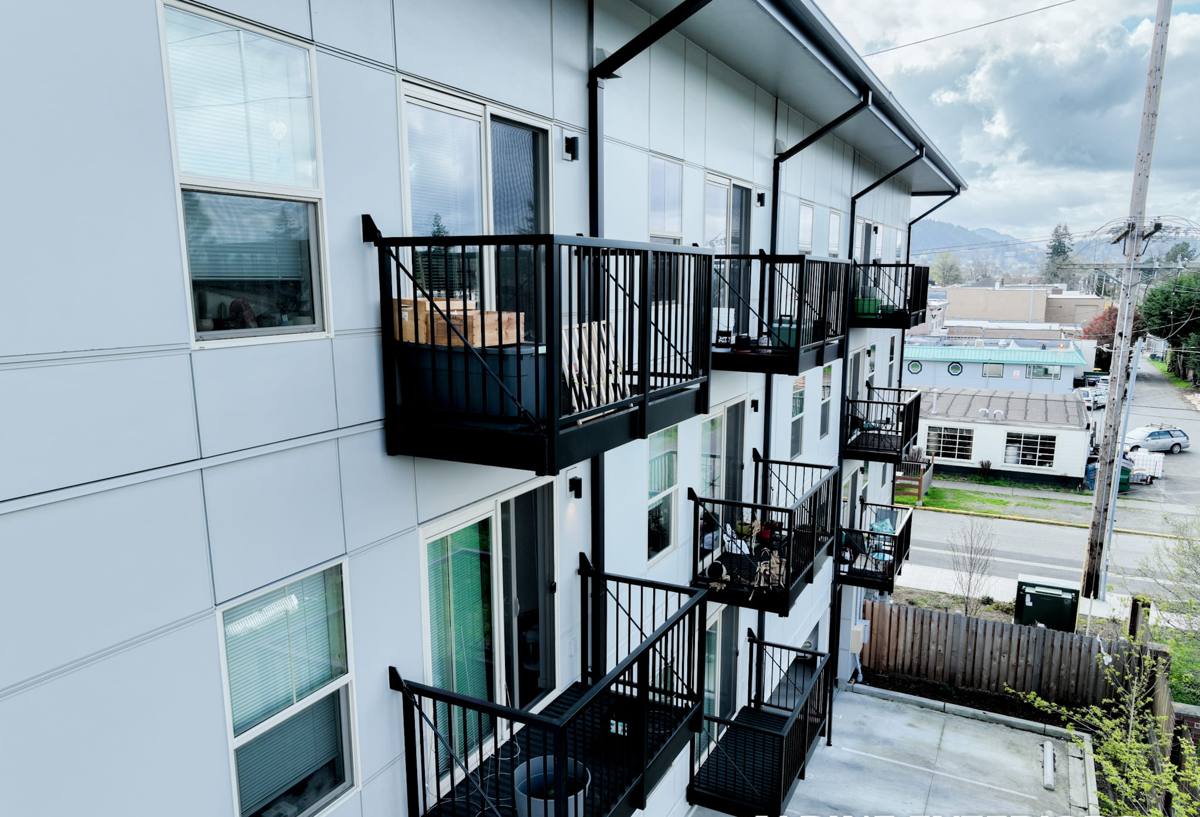
What Salt Air and Coastal Wind Actually Do to Siding
Salt Air
Airborne salt is corrosive to metal and abrasive to finishes over time. Fasteners, flashing, and trim that aren't rated for coastal exposure can start breaking down years before they would inland. Painted wood and some engineered wood products absorb this moisture-and-salt combination into their surface, which accelerates finish failure and, eventually, substrate breakdown.
Driving Rain
Wind off the water doesn't let rain run harmlessly down a wall — it drives it sideways and up under laps, trim, and penetrations. Any siding system with a weak point at seams, corners, or fastener locations will find that weak point tested constantly in a spot like Sandy Point.
Moss and Algae
Whatcom County's wet season is long, and waterfront and near-waterfront lots often stay shaded and damp longer than homes a few miles inland. Moss and algae need moisture and organic material to grow. Siding that holds surface moisture, or that has a finish prone to breaking down, gives them exactly that.
Why We Only Install James Hardie
We don't install LP SmartSide, vinyl, Cemplank, Allura, primed spruce, or cedar. That's not a marketing line — it's a standard we've held to because of what we've seen these products do in exactly the conditions Sandy Point sees. Engineered wood siding relies on a wood-strand substrate that can swell or deteriorate if moisture gets past the finish at a cut edge or fastener hole. Vinyl can warp or become brittle over years of temperature swings and UV exposure, and it's a thin material that doesn't hold up well to wind-driven debris. Primed wood and cedar look great on day one but require an ongoing paint or stain maintenance cycle that most homeowners underestimate — and in a damp, salt-air environment, that cycle gets shorter, not longer.
James Hardie fiber cement is cement, sand, and cellulose fiber — it doesn't rot, it isn't a fuel source, and it doesn't absorb water the way wood-based products do. Its ColorPlus factory finish is baked on and warrantied separately from the substrate, which matters in a climate that's hard on paint. That's the honest reasoning behind why we standardized on Hardie, and it's why we tell every homeowner where Sandy Point sits.
Choosing the Right Hardie Line for a Waterfront-Adjacent Home
James Hardie makes climate-engineered HZ product lines, and picking the right one for a given lot matters more here than in a sheltered inland neighborhood.
| Consideration | What It Means for Sandy Point |
|---|---|
| HZ5 vs. HZ10 engineering | Hardie engineers its board for regional moisture and freeze-thaw exposure; we match the spec to how exposed a given lot is, not just the general zip code climate zone. |
| ColorPlus factory finish | A baked-on finish resists fading and moisture intrusion at the surface better than field-applied paint, which matters where salt air accelerates finish wear. |
| Lap siding vs. panel systems | Lap profiles handle wind-driven rain differently than vertical panel systems; exposure and architectural style both factor into the right call. |
| Trim and fascia matching | Using Hardie trim alongside Hardie siding keeps expansion, finish, and moisture behavior consistent across the whole exterior — mixing materials creates weak points. |
We walk every Sandy Point property individually — how exposed it is to prevailing wind, how much direct salt spray it realistically sees, and how shaded or damp the site stays — before recommending a specific line and color system.
What a Correct Installation Involves Here
Hardie siding is only as good as the install behind it, and coastal exposure raises the stakes on details that are easy to shortcut inland.
- Proper weather-resistive barrier and drainage plane behind the siding, so any moisture that does get past the surface has somewhere to go
- Correct fastener type and spacing — coastal exposure calls for fasteners rated to resist corrosion, not whatever is cheapest on the truck
- Factory-cut and field-cut edges sealed per Hardie's specifications, since a raw edge is the fastest way for moisture to get into the board
- Proper clearance between siding and grade, decks, and roof lines so wind-driven rain and splashback don't sit against the bottom course
- Correct flashing and integration at windows, doors, and penetrations — the majority of siding failures we're called to inspect trace back to flashing, not the siding material itself
- Caulking and joint treatment that matches Hardie's published details rather than generic construction practice
None of this is exotic. It's discipline — following the manufacturer's installation manual to the letter instead of treating it as a suggestion. That discipline is what keeps a fiber cement job performing for decades instead of needing early repairs.
Our Process, Start to Finish
Assessment
We inspect the existing siding, sheathing, and moisture barrier where accessible, and we look specifically at exposure — which walls take the brunt of the wind and rain off the water.
Product and Color Selection
We recommend a specific Hardie line and ColorPlus color system based on that exposure assessment, not a one-size-fits-all default.
Prep and Removal
Old siding comes off, and we check the sheathing and weather barrier underneath before anything new goes up — covering a moisture problem with new siding just delays the repair.
Installation
Siding, trim, and flashing go in per Hardie's fastening and clearance specifications, with attention to every seam, corner, and penetration.
Final Walkthrough
We walk the finished exterior with the homeowner, confirm caulking and trim details, and go over basic care so the siding performs the way it's designed to.
Living With Moss Season on Fiber Cement
Fiber cement doesn't feed moss and algae the way wood-based siding can, but nothing that sits outside in Whatcom County's wet months is completely immune to surface growth, especially on shaded, north-facing walls near trees or dense landscaping. The difference with correctly installed Hardie siding is that surface growth stays a cosmetic issue you can rinse off, not a sign the material underneath is breaking down. Keeping gutters clear, trimming back vegetation that shades a wall, and an occasional gentle rinse go a long way toward keeping a Sandy Point exterior looking clean through the damp season.
Why Hiring a Crew That Already Works This Area Matters
A contractor who only occasionally works near the water can miss how differently a coastal-adjacent lot behaves compared to one a few miles inland — same city, same permit jurisdiction, meaningfully different exposure. Crews who work Sandy Point regularly already know to check things like fastener corrosion resistance, wind exposure on specific wall orientations, and how much clearance a given lot actually needs at grade. That familiarity shows up in fewer callbacks and siding that's still performing well after years of the salt air and driving rain this location sees every year.
It also matters for something less obvious: knowing which Hardie color and finish combinations hold up visually in this specific light and moisture environment, so a homeowner isn't guessing from a showroom sample that was never tested against salt air.
What Drives Cost on a Job Like This
| Factor | Why It Matters |
|---|---|
| Home size and wall complexity | More corners, gables, and penetrations mean more cutting, flashing, and labor time. |
| Existing siding removal and sheathing condition | Hidden moisture damage found during tear-off can add scope, but catching it now prevents a bigger repair later. |
| Product line and trim package | HZ5 vs. HZ10 boards, panel vs. lap profiles, and the trim package selected all affect material cost. |
| Exposure-driven detailing | Waterfront-adjacent walls may need additional flashing, fastener upgrades, or clearance work that a sheltered inland wall wouldn't. |
| Access and site conditions | Waterfront lots can have tighter access or landscaping that affects staging and labor time. |
We give straightforward, itemized estimates so homeowners can see exactly what they're paying for and why, rather than a single lump number.
If you're planning a siding project on a Sandy Point property, we're happy to walk the exterior with you, talk through exposure and product options honestly, and put together a free, no-pressure estimate. There's no obligation — just a straight answer on what your home actually needs.