 Ferndale Roofing
 Why the Fairhaven Area Is Hard on Roofs
Homes close to the water in this part of Whatcom County deal with a different set of stresses than roofs even a few miles inland. Salt-laden air, wind-driven rain, and a moss season that can stretch for most of the year all work on a roof at the same time, and they don't work independently — moisture gets into places salt has already weakened, and moss holds both against the surface longer than either would sit on its own. A roof replacement out here needs to be built for that combination, not just for "Pacific Northwest weather" in general.
Salt Air and Slow Corrosion
Airborne salt doesn't just affect boats and railings. It settles on fasteners, flashing, and any exposed metal on a roof system, and over years it accelerates corrosion in ways that aren't always visible from the ground. Galvanized nails, cheap flashing, and unprotected metal edges are the first things to show pitting and rust in a marine-influenced climate like this one. The fix isn't complicated — it's using fastener and flashing materials rated for coastal exposure — but it does mean a roof replacement here shouldn't be specified the same way you'd spec one twenty miles inland.
Driving Rain and Wind-Driven Water
Storms coming off the water tend to push rain sideways as much as down. That matters because a roof that sheds water fine in a straight-down rain can still leak under wind-driven rain if the underlayment, flashing laps, and fastening pattern weren't installed with that in mind. Valleys, roof-to-wall transitions, and anything with a low slope are where this shows up first.
A Long Moss Season
Moss thrives wherever shade, moisture, and organic debris meet, and this region gives it most of the year to establish itself. Left alone, moss holds water against shingles and decking far longer than the roof was designed to tolerate, and its root structure works into shingle granules and seams. By the time moss is visible from the street, it's often already affecting the material underneath it, not just sitting on top.
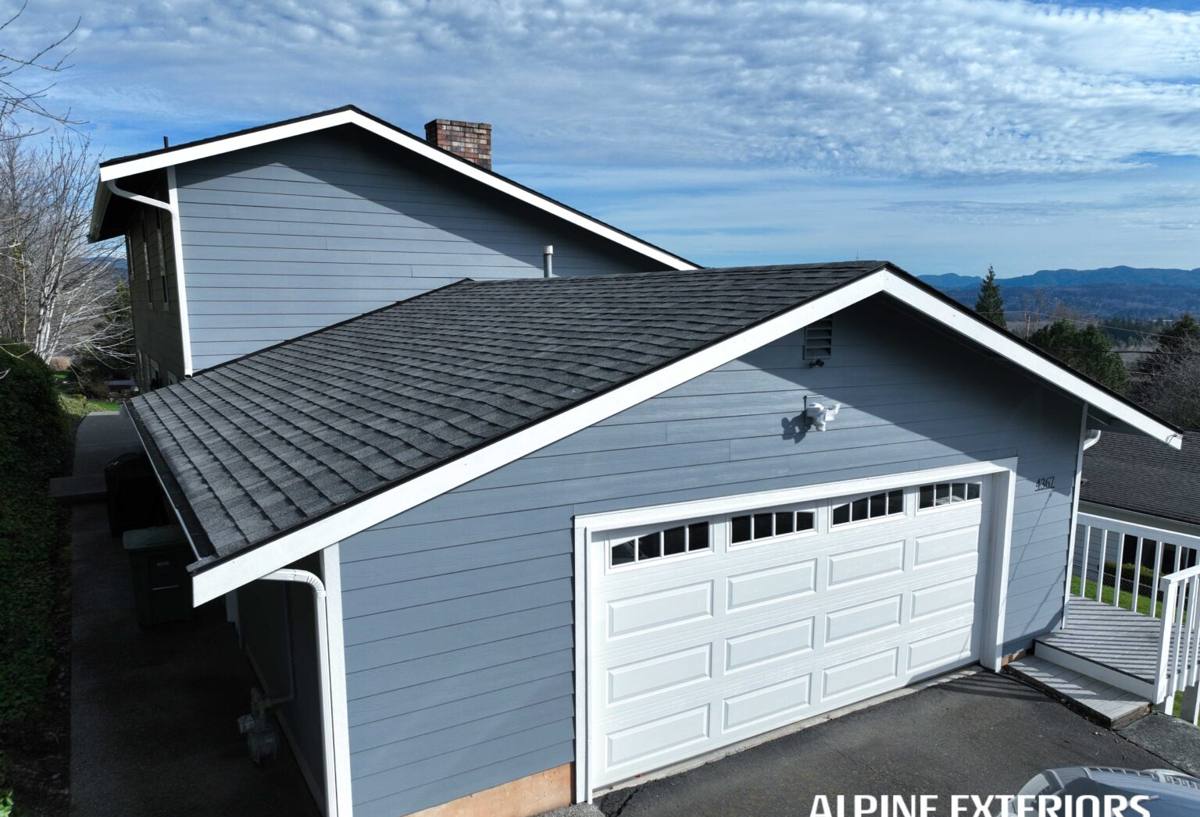
Signs a Fairhaven Roof Needs Replacement, Not Just Repair
Not every roof problem calls for a full replacement, and we won't tell a homeowner they need one if a repair will genuinely hold. But there's a point where patching becomes false economy — where you're spending real money to buy a few more seasons on a roof that's already failing in more places than you can see. Some signs that point toward replacement rather than repair:
- Granule loss heavy enough that you're finding shingle grit in gutters and downspouts every season
- Moss or algae staining returning within months of cleaning, especially on north-facing slopes
- Soft spots or give underfoot on the roof deck during inspection
- Multiple layers of shingles already on the roof, limiting future repair options
- Leaks appearing in new locations each winter rather than the same recurring spot
- Flashing that's visibly rusted, lifted, or separated from the roof plane
- A roof at or past the manufacturer's expected service life for this climate, even if it "looks okay" from the ground
What a Correct Roof Replacement Includes
A roof replacement is more than swapping old shingles for new ones. Done right, it's a full system rebuild, and in a salt-air, high-moisture area, skipping steps here is exactly how a roof ends up needing early repairs.
Full Tear-Off and Deck Inspection
We remove the existing roofing down to the deck rather than layering over it. That's the only way to actually see the condition of the plywood or plank decking underneath — rot, soft spots, and past water damage are often invisible until the old material is off. Any damaged decking gets replaced before anything new goes down; installing new roofing over a compromised deck just hides the problem for another few years.
Underlayment and Flashing Details
In a climate with driving rain and wind, underlayment choice and installation detail matter as much as the shingle or panel on top. We use synthetic or ice-and-water underlayment in vulnerable areas — valleys, eaves, and roof-to-wall transitions — and pay particular attention to flashing at chimneys, vents, and skylights, since these are the most common leak points on any roof and the first to suffer if salt-air corrosion goes unaddressed.
Ventilation Built In, Not Bolted On
Proper attic ventilation does two things that matter here: it keeps the roof deck at a more even temperature, and it reduces the moisture buildup that feeds moss and mildew from underneath. A ventilation plan should be part of the replacement design, not an afterthought added because a vent was already there.
Choosing Materials for Salt Air and Moss
There isn't one "best" roofing material for every home — the right choice depends on the home's structure, budget, and how much long-term maintenance the homeowner wants to take on. What we won't do is recommend a material or installation shortcut that looks good on price but creates a maintenance burden we know this climate will expose. Here's how the common options compare for a coastal, moss-prone setting:
| Material | Salt-air durability | Moss resistance | Maintenance level |
|---|---|---|---|
| Standard asphalt composition shingle | Good, with corrosion-resistant fasteners | Moderate; benefits from algae-resistant granules | Periodic moss/debris cleaning recommended |
| Algae-resistant asphalt shingle | Good | Better; granules formulated to slow algae and moss growth | Lower, but not maintenance-free |
| Standing seam metal | Very good with marine-grade coatings and fasteners | High; smooth, steep surfaces shed moss more easily | Low, mainly fastener and coating checks |
| Cedar shake | Fair; requires diligent maintenance near salt air | Low without regular treatment | High; needs regular cleaning and treatment |
We don't steer homeowners away from cedar because it's a poor product — it's a legitimate, attractive roofing material with a long history in this region. But we're upfront that it demands more upkeep in a salt-air, moss-heavy environment than metal or a good algae-resistant shingle, and that maintenance commitment should factor into the decision, not come as a surprise a few years in.
Our Roof Replacement Process, Start to Finish
- On-site inspection and estimate. We walk the roof, check the attic where accessible, and give an honest read on whether replacement is actually needed versus repair.
- Material selection. We go over the tradeoffs above in plain terms so the choice fits the home and the budget, not just the lowest bid.
- Scheduling around weather. Coastal weather windows can be tighter than inland ones; we plan tear-off days around forecasts to minimize the roof being open to the elements.
- Tear-off and deck inspection. Old roofing comes off, decking is inspected and repaired as needed.
- Underlayment, flashing, and ventilation installed. The parts of the system nobody sees but that determine how the roof performs in wind-driven rain.
- New roofing installed to manufacturer spec. Including fastener patterns and material choices suited to salt exposure.
- Final walkthrough and cleanup. We review the finished roof with the homeowner and make sure the property is cleared of debris and old material.
What Affects the Cost of a Fairhaven Roof Replacement
Every home is different, and we'd rather give a real number after seeing the roof than a figure that doesn't hold up once we're on-site. In general, roof replacement costs in this area run from the low thousands for a straightforward asphalt shingle job on a modest roof up to significantly more for larger homes, steeper or more complex rooflines, or premium materials like standing seam metal. The factors that move the number most are:
| Factor | Why it matters |
|---|---|
| Roof size and pitch | More surface area and steeper slopes mean more material and labor time |
| Roof complexity | Valleys, dormers, and multiple roof planes add flashing work and installation time |
| Deck condition | Rot or soft decking found during tear-off requires repair before new roofing goes down |
| Material choice | Standard asphalt, algae-resistant shingle, and metal roofing carry different material costs |
| Access and site conditions | Tight lots, tall trees, or difficult access can affect setup and disposal logistics |
| Ventilation and flashing upgrades | Bringing an older system up to current standards adds work but reduces future problems |
Why a Crew That Already Works in the Fairhaven Area Matters
A roofing crew that regularly works homes near the water in Whatcom County isn't guessing about how salt air and moss behave here — they've seen which fastener grades hold up, which flashing details actually stop wind-driven rain, and which shortcuts show up as callbacks two winters later. That experience shows up in small decisions throughout a job: which underlayment goes in a given valley, how tight the fastener spacing needs to be, where extra flashing is worth the material cost even if it wasn't strictly required. None of that is exotic knowledge, but it's the difference between a roof that's built for this specific climate and one that's built for weather somewhere else.
It also matters for scheduling and honesty. A local crew knows the realistic weather windows for tear-off and can plan a job so your roof isn't sitting open longer than it needs to be. And because we're not traveling in from out of the area, warranty work and follow-up questions don't involve chasing down a contractor who's moved on to a different region.
After Your New Roof Goes On: Keeping Moss and Salt Damage at Bay
A quality installation gets you most of the way to a long-lasting roof, but a little homeowner maintenance extends that lifespan further, especially in this climate. A simple annual routine goes a long way:
- Clear leaves, needles, and debris from valleys and gutters, especially heading into fall
- Trim back overhanging branches to reduce shade and debris that feed moss growth
- Have moss growth removed properly rather than scraped or pressure-washed, which can damage shingle granules
- Check attic ventilation isn't blocked by insulation or stored items
- Have flashing and fastener condition checked periodically, particularly after major storms
- Address small leaks or missing shingles promptly rather than waiting for the next dry season
If your roof is showing its age, or you just want an honest opinion on whether repair or replacement makes more sense for a home in the Fairhaven area, we're happy to take a look. Request a free, no-pressure estimate using the form below and we'll walk you through exactly what we see and what we'd recommend.