 Ferndale Roofing
 Siding Repair in Blaine: Why Damage Shows Up Differently Here
Blaine sits right on the water at the northern edge of Whatcom County, and siding here takes a beating that inland Whatcom County homes simply don't see in the same way. Salt-laden air off the bay, wind-driven rain that comes in sideways during winter storms, and a moss season that runs long on shaded walls all work on a house's exterior year-round, not just during the occasional bad storm. We work Blaine regularly as part of our service area, and siding repair calls here tend to look different from what we see in more sheltered parts of the county — more corrosion at fasteners and trim, more hidden moisture behind the wall, and less forgiveness for a repair that only fixes what's visible.
We install and repair James Hardie fiber cement siding as our standard. That's the product we stand behind for full installations, and it's also the product we're best equipped to repair cleanly, because we know its installation spec, its finish system, and how it actually fails when something does go wrong. This page focuses on siding repair specifically — what causes it in Blaine, how we decide between a patch and a bigger fix, and what a repair actually needs to hold up against this climate.
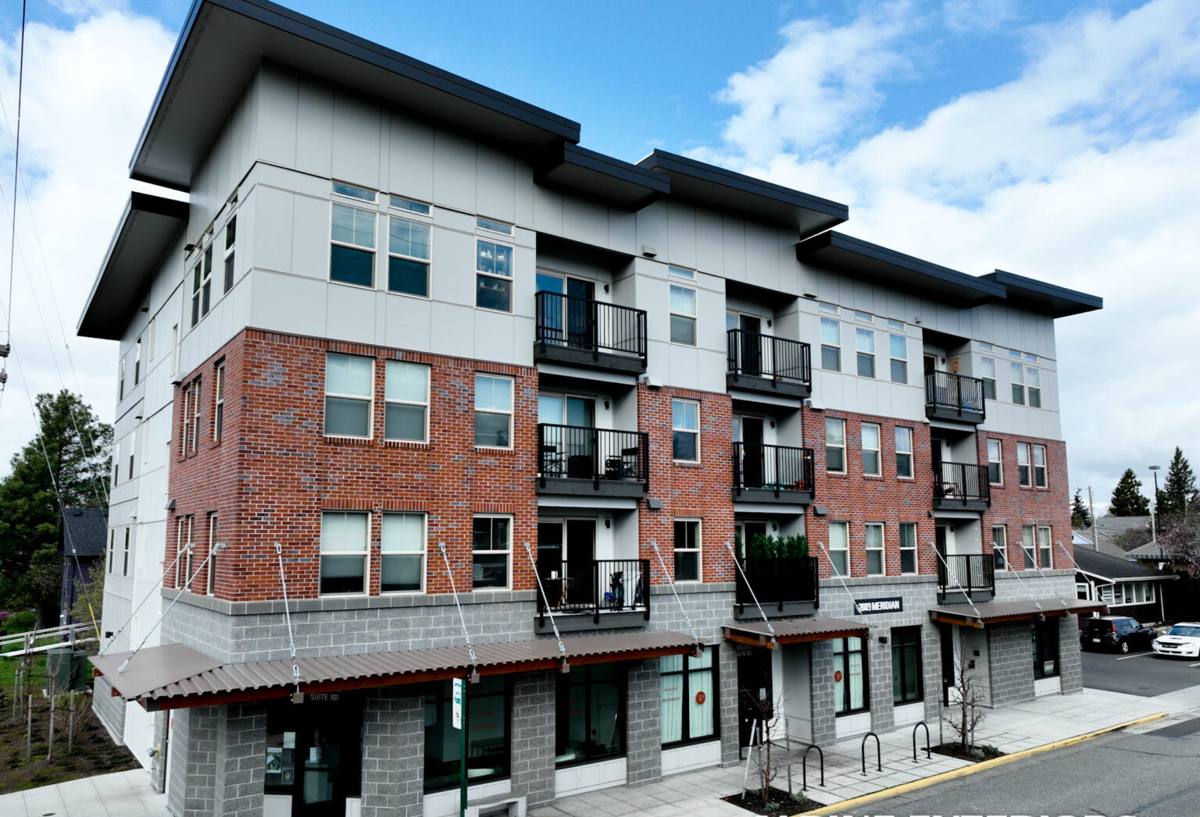
What Blaine's Climate Does to Siding Over Time
Salt Air and Corrosion
Homes close to the water take a steadier dose of salt-laden air than towns set further inland, and that salt goes to work on anything metal first — fasteners, flashing, and trim edges. Corroded or failing fasteners are one of the more common root causes we find behind a siding board that's come loose or a corner trim piece that's pulled away, and a repair that just re-nails the same failing hardware back into place doesn't hold for long in this environment.
Driving Rain and Hidden Moisture
Storms coming off the water push rain sideways into wall assemblies rather than letting it fall straight down, and that sideways-driven moisture finds its way into gaps, open joints, and poorly sealed trim transitions that a calmer climate might never expose. By the time damage is visible from the outside — a stained panel, a soft spot, a bulge — moisture has often been getting behind the siding for a while. That's why a repair call in Blaine usually needs a look behind the damaged area, not just a patch over the surface symptom.
Moss, Mildew, and Organic Growth
Mild temperatures and near-constant dampness give moss and mildew a growing season that can run most of the year on shaded or north-facing walls. Beyond the cosmetic issue, sustained moss growth holds moisture against the siding surface longer than it would otherwise sit there, which accelerates whatever damage is already starting underneath.
Repair or Replace? How We Make the Call
Not every damaged section of siding needs a full re-side, and we're not going to tell a Blaine homeowner they need a whole-house replacement when a targeted repair will genuinely hold up. The decision comes down to a few honest questions: how far the damage extends, whether moisture reached the wall sheathing or framing, what the existing siding material is, and how old the surrounding siding is relative to its expected service life.
| Factor | Favors Repair | Favors Replacement |
|---|---|---|
| Extent of damage | Isolated to one or a few boards/panels | Spread across multiple walls or elevations |
| Moisture intrusion | Surface-level, sheathing and framing still sound | Rot or damage found in sheathing or framing behind the siding |
| Existing material | James Hardie fiber cement, still within its service life | Aging vinyl, cedar, or engineered wood nearing end of life |
| Age of surrounding siding | Relatively recent, matching material available | Old enough that color, profile, or product line is no longer available |
| Cause of damage | Isolated impact or fastener failure | Systemic issue — original installation defect, widespread moisture intrusion |
When the underlying wall is sound and the damage is limited, a repair is the honest recommendation, and we'll say so. When we open up a damaged section and find rot in the sheathing or evidence that moisture has been tracking behind multiple boards, we'll show you what we found before recommending a larger scope — we don't upsell a repair into a replacement without a reason you can see for yourself.
What a Correct Siding Repair Involves
A repair that only addresses what's visible from the driveway tends to fail again within a season or two in a climate like Blaine's. A repair done right starts with removing enough surrounding material to actually see what's happening, not just swapping the one obviously damaged board.
- Check behind the damage first: House wrap, flashing, and sheathing condition get inspected before any new material goes on, since a new board over a compromised wall just hides the problem again.
- Preserve the rain screen gap: Any drainage cavity behind the siding needs to stay intact through the repair, not get sealed shut or filled in.
- Match fastener type and spacing: Replacement boards get the same corrosion-resistant fasteners and spacing the manufacturer specifies, not whatever's fastest to install.
- Re-lap house wrap and flashing correctly: Any seam disturbed during the repair gets properly re-lapped so water sheds outward and downward, the same as it would in new construction.
- Seal joints and trim transitions: Open or poorly sealed seams are exactly where salt-laden moisture gets behind siding first, so repaired areas get the same joint treatment as a new install.
Matching Repairs on James Hardie Siding
One of the practical advantages of repairing James Hardie siding is that the ColorPlus finish is a factory-applied, consistent product line, which makes sourcing a matching replacement board more reliable than it is with field-painted or naturally variable materials. That said, an older wall that's had years of sun and salt exposure won't look identical to a brand-new board straight from the factory on day one — some visible difference is normal at first and tends to even out somewhat as the new material weathers in. We'll walk you through what to realistically expect on color match before the work starts, rather than promising an invisible repair that isn't achievable.
Why Repairing Non-Hardie Siding Gets Complicated
A fair number of Blaine homes we look at aren't wearing James Hardie siding — they've got vinyl, cedar, LP SmartSide, or other engineered wood products, often installed by a previous owner or a past contractor. We'll assess and, where it makes sense, repair what's already on the house rather than pushing an unnecessary full re-side. But it's worth being honest about why repairing these materials is often harder to get right long-term than repairing fiber cement:
- Vinyl siding: Older vinyl panels get brittle from years of UV and temperature cycling, so removing an adjacent panel to swap a damaged one often cracks it in the process, and exact color/profile matches get harder to source as products age out of production.
- Cedar siding: Matching grain, weathering, and stain color on a repair is difficult even with skilled work, and any repair reopens the door to the same moisture and rot vulnerability that likely caused the original damage.
- LP SmartSide and other engineered wood: These products are more sensitive to sustained moisture at cut edges and joints than fiber cement, so a repair that doesn't perfectly reseal every edge can invite the same swelling or delamination that damaged the original board.
- Cemplank, Allura, and other fiber cement alternatives: Physically similar to Hardie in some respects, but matching finish, profile, and color across brands can be difficult once a product is discontinued or reformulated.
None of this means these materials can't be repaired — they often can. It's why, when damage on a non-Hardie wall turns out to be extensive or the material is near the end of its practical life, we'll tell you that plainly and explain why we'd recommend transitioning that section, or eventually the whole house, to fiber cement rather than continuing to chase repairs on a product that's fighting the local climate.
Our Siding Repair Process in Blaine
- Inspection: We look at the damaged area and the surrounding wall, checking for signs the problem extends further than what's visible from outside.
- Diagnosis: Where moisture intrusion is suspected, we open up the affected section enough to check sheathing and framing condition before finalizing scope.
- Honest scope and estimate: We explain what we found, whether a patch, board replacement, or larger section repair is the right call, and give a written estimate before any work begins.
- Material sourcing: For Hardie repairs, we source matching profile and ColorPlus finish; for other materials, we source the closest reasonable match and set honest expectations about it.
- Repair execution: Damaged material comes out, the wall assembly behind it gets addressed if needed, and new material goes in following manufacturer fastening, flashing, and sealing spec.
- Walkthrough: We review the completed repair with you and clean up the work area before considering the job done.
Cost Factors for Siding Repair in Blaine
| Factor | What Drives Cost | Coastal Climate Consideration |
|---|---|---|
| Scope of damage | Single board vs. multi-board or full-wall section | Wind-driven rain often spreads hidden moisture beyond the visible damage |
| Hidden wall damage | Whether sheathing or framing repair is needed | Moisture that's been tracking behind siding for a while raises scope once opened up |
| Material match | Availability of matching product, profile, or finish | Older siding exposed to years of salt air and sun may need a broader color-blend approach |
| Access and elevation | Height, obstructions, staging needs | No significant coastal-specific driver beyond standard access factors |
These are general drivers, not a quote. We walk every property before putting a real number on repair work, because the same-looking damage on two Blaine houses can turn out to be very different once we actually pull a board and look behind it.
Signs a Blaine Home Needs Siding Repair Now
- Soft or spongy siding when pressed, especially low on the wall or around window and door trim
- Visible cracks, holes, or impact damage in one or more boards or panels
- Rust staining running down from fasteners, trim, or flashing
- Siding that's pulling away from the wall or has visibly loose boards
- Moss or dark staining that returns quickly after cleaning
- Peeling paint, bubbling, or discoloration concentrated in one area rather than spread evenly
- A musty smell or visible staining on interior walls that share an exterior wall with damaged siding
Why a Local Crew Matters for Blaine Siding Repairs
A crew that works Whatcom County siding regularly sees how salt air, driving rain, and moss actually behave on real houses over a full year, not just what a product spec sheet claims. That matters more for repair work than new construction, because diagnosing a repair correctly means recognizing the specific ways this climate causes damage — which fastener types are corroding first, which wall orientations stay wet longest, and which repairs are quick fixes versus ones that need to go deeper. Blaine's exposed, coastal position isn't identical to more sheltered towns further inland in the county, and a repair that doesn't account for that difference tends to need doing again sooner than it should.
If you've got damaged, loose, or aging siding on a Blaine home, we're glad to take a look and give you a straightforward, honest assessment of what it actually needs — patch, partial replacement, or something bigger — with no pressure either way. Reach out using the form below to schedule a free estimate.