 Ferndale Roofing
 Roofing in a Salt Air, High-Rain Corner of Whatcom County
Homes near Semiahmoo sit close enough to the water that roofing materials take on a different kind of wear than they would ten or fifteen miles inland. Salt-laden air, wind-driven rain off the strait, and a moss season that runs longer here than in drier parts of Washington all combine to age a roof faster than its warranty paperwork suggests it should. We do roof repair work throughout this stretch of Whatcom County, and the calls we get from homes in and around Semiahmoo tend to follow a pattern that's distinct from what we see on a typical inland Ferndale roof.
This page is about roof repair specifically for that pattern — not a general roofing overview, but what actually goes wrong on roofs exposed to marine air and prolonged damp, and what a correct repair looks like when that's the environment you're working against.
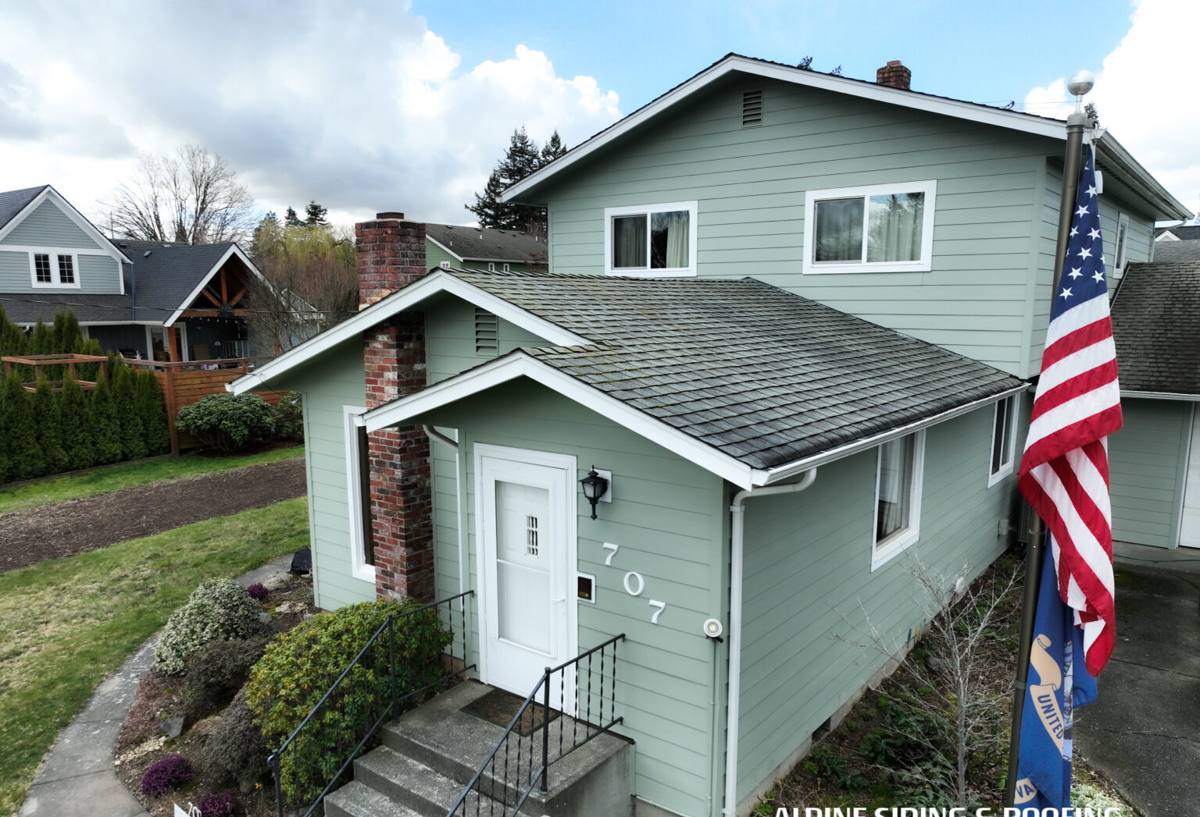
How Salt Air Actually Damages a Roof
Salt air doesn't destroy a roof outright the way a falling branch does. It works slowly, through a few specific mechanisms that matter when you're deciding how to repair rather than just patch something.
Metal Components Corrode First
Flashing, fasteners, vent boots with metal collars, gutter hangers, and any exposed metal trim are usually the first casualties. Salt accelerates oxidation, and once a fastener or flashing edge starts to corrode, it loses holding strength and its ability to shed water cleanly. A repair that reuses corroded flashing or drives new shingles down with fasteners that are already compromised is a repair that fails again within a season or two.
Granule and Coating Wear Speeds Up
On asphalt shingles, the protective granule layer takes more abuse in salt air, and UV combined with airborne salt tends to leave shingles brittle sooner than the manufacturer's aging curve assumes. Brittle shingles crack instead of flexing during wind events, which is a common source of the small, isolated leaks homeowners in this area bring to us.
Sealant and Adhesive Breakdown
Self-sealing shingle strips, pipe boot sealants, and caulked transitions all rely on adhesion. Salt residue and constant damp interfere with that adhesion over time, which is why sealant-dependent repair points — ridge caps, pipe boots, valley edges — are worth inspecting even when the visible shingle field still looks fine.
Moss Season Runs Longer Here Than People Expect
Because Semiahmoo's proximity to the water keeps humidity elevated and temperatures moderate for more of the year, moss and algae growth gets a longer window to establish itself compared to drier inland microclimates. Moss isn't just cosmetic. Its root structure lifts shingle edges as it grows, breaking the shingle-to-shingle seal that keeps water moving downhill instead of sideways or under the surface. Once moss has lifted an edge, wind-driven rain — which this area gets plenty of — can push water sideways under the shingle line instead of running off the roof normally.
Left unaddressed through a full wet season, moss growth is one of the more common reasons a roof that looks "mostly fine" from the ground turns out to have soft decking or interior staining once someone gets on it. Roof repair in this area has to account for what's happening under the moss, not just clean it off and call it done.
What We Commonly Find on Semiahmoo-Area Roof Calls
- Lifted or cracked shingle tabs along ridgelines and roof edges most exposed to wind off the water
- Corroded or loosening flashing around chimneys, skylights, and roof-to-wall transitions
- Moss colonies established in north-facing slopes and shaded valleys that hold moisture longer
- Failed or shrinking pipe boot seals letting small amounts of water track down into attic spaces
- Granule loss and brittleness on older asphalt shingle roofs approaching or past their expected service life
- Soft or discolored decking discovered only once shingles are pulled back at a repair point
What a Correct Repair Actually Involves
A repair that's done right in this environment goes a step past patching the visible symptom. Because salt air and moisture accelerate hidden damage, we treat every repair call as a chance to check the surrounding area, not just the spot where the leak showed up inside the house.
Diagnose Before Patching
Interior stains often show up several feet from the actual entry point, because water travels along rafters or decking before it drips. We trace the path back to the source rather than sealing the ceiling-side symptom and calling it fixed.
Replace Compromised Materials, Not Just the Obvious Damage
If flashing near a repair point shows corrosion, or decking feels soft when we walk it, that gets addressed as part of the same repair. Patching new shingles over compromised flashing or spongy decking is the single most common reason a "repaired" roof leaks again within a year.
Match Materials and Fastening to the Environment
In a salt-air setting, we favor corrosion-resistant fasteners and flashing over standard-grade materials, even if that costs a bit more up front. It's the difference between a repair that holds for the roof's remaining life and one that needs revisiting in a couple of wet seasons.
Reseal and Reintegrate, Not Just Cover
Shingle courses, valleys, and flashing all rely on correct overlap and sealing to shed water. A repair has to be woven back into that system properly — new material has to integrate with the old, not just sit on top of it.
Our Roof Repair Process
- Inspection and honest assessment. We get on the roof, check the interior where relevant, and tell you plainly what's actually wrong — including if the damage is more extensive than a simple patch and a repair isn't the right long-term fix.
- Written scope and estimate. You get a clear description of what we found and what the repair involves before any work starts. No surprise add-ons mid-job.
- Repair the cause, not just the symptom. We address the actual failure point — corroded flashing, lifted shingles, a failed pipe boot, soft decking — rather than sealing over it.
- Clean transitions. New materials are integrated into the existing roof system correctly, with attention to how water will move across that section for years, not just this season.
- Walkthrough. We show you what was done and flag anything else worth keeping an eye on, even if it doesn't need work yet.
Repair vs. Replacement: How We Help You Decide
Not every roofing issue near Semiahmoo needs a full replacement, and not every issue should be patched indefinitely either. The honest answer usually comes down to a few factors:
| Factor | Favors Repair | Favors Replacement |
|---|---|---|
| Roof age | Under roughly 15-18 years, no widespread wear | Approaching or past expected service life |
| Extent of damage | Isolated to one section or component | Spread across multiple slopes or repeated leak points |
| Decking condition | Solid, no soft spots found | Soft or damaged decking in multiple areas |
| Shingle condition | Still flexible, granules intact elsewhere | Widespread brittleness or granule loss |
| History of repairs | First or second repair on this roof | Recurring repairs to the same or nearby areas |
We'll tell you honestly which side of that table your roof falls on. There's no benefit to us talking a homeowner into a repair that won't last, or a replacement that isn't actually needed yet.
Signs a Semiahmoo-Area Roof Needs a Repair Call
- Water stains on interior ceilings or walls, especially after a wind-driven rain event
- Visible moss or dark algae streaking on north-facing or shaded roof sections
- Shingles that look cupped, cracked, or curled at the edges
- Granules collecting in gutters or at downspout outlets
- Flashing around chimneys, vents, or skylights that looks rusted, lifted, or gapped
- Daylight visible through the roof deck from inside the attic
- A noticeable increase in energy bills, which can point to attic moisture or insulation compromised by a slow leak
Why It Matters to Hire a Crew That Already Works This Area
Roof repair advice that's generic for the Pacific Northwest doesn't always hold up specifically for a marine-exposed, high-moss-pressure spot like Semiahmoo. A crew that regularly works this stretch of Whatcom County knows which fastener grades hold up, which flashing details tend to fail first in salt air, and which roof orientations need extra attention for moss and moisture. That familiarity shows up in fewer callbacks and repairs that actually last through the next few wet seasons instead of needing revisiting.
It also means a faster, more accurate diagnosis. When we already know the failure patterns common to this area, we're not guessing at what's causing a leak — we're checking the places we already know tend to be the problem first.
Maintenance Between Repairs
A repair holds longer when the rest of the roof is kept in reasonable condition around it. In this climate, that mostly comes down to two things: keeping moss growth under control before it establishes and lifts shingles, and making sure gutters and downspouts are clear so water isn't backing up against roof edges during heavy rain. Neither requires constant attention, but a roof in this environment benefits from a periodic look — especially after the first heavy storms of a wet season — rather than being checked only when a leak has already shown up inside the house.
If you're dealing with a leak, visible moss, or you just want an honest opinion on a roof's condition before it becomes a bigger problem, we're glad to take a look. Reach out for a free, no-pressure estimate using the form below.