 Ferndale Roofing
 Roofing a Home Near the Water in Sandy Point
Sandy Point sits close enough to the water that the air itself works against a roof every single day. Salt-laden wind, driving rain off the Strait, and a moss season that can run most of the year put more stress on shingles here than on a roof twenty miles inland. An asphalt shingle roof can absolutely hold up in this environment, but only if it's specified and installed with that environment in mind. A roof that would be perfectly fine in a dry, sheltered part of Whatcom County can fail early on a shoreline lot if it's installed the same way.
This page is about one thing: asphalt shingle roofing done right for Sandy Point homes specifically — what the salt air and moss do to a roof over time, what a correctly built system looks like, and how we approach these jobs differently than we would a roof a few miles inland.
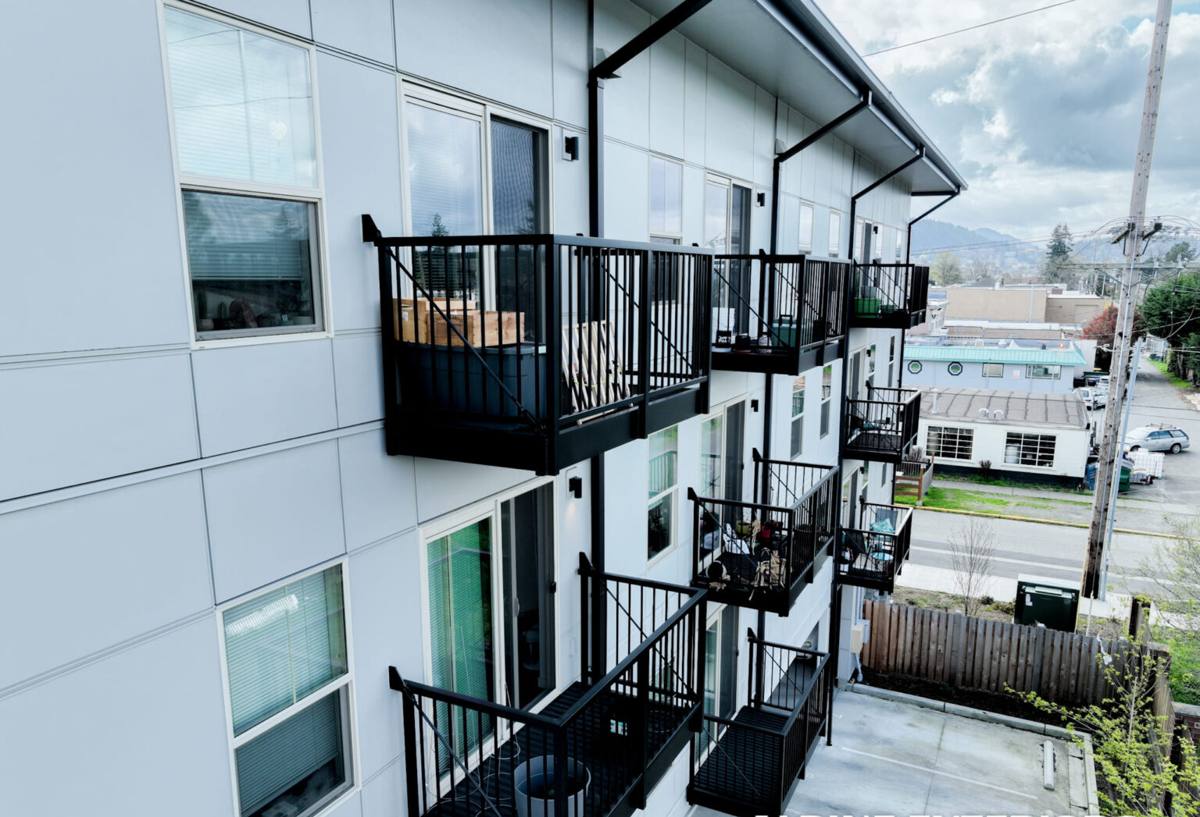
What Salt Air, Rain, and Moss Actually Do to a Roof
Salt Air
Airborne salt doesn't just sit on shingles — it works its way into fasteners, flashing, and any exposed metal on the roof. Standard fasteners and flashing that aren't rated for coastal exposure corrode faster near the water, and a rusted nail or flashing seam is exactly where a leak starts. This is one of the first things we check and correct on any Sandy Point roof.
Driving Rain
Wind off the water doesn't let rain fall straight down — it drives it sideways and up under shingle edges, ridge caps, and anywhere flashing meets a wall, chimney, or vent. A roof built for calm, vertical rainfall can still leak in a coastal wind event even if every shingle is intact, because the water is finding its way in sideways rather than through the shingle field itself.
Moss and Moisture
Whatcom County's damp, mild climate is moss-friendly for a large part of the year, and a shoreline lot with tree cover or persistent shade holds moisture even longer. Moss doesn't just look bad — its root structure lifts shingle edges, holds standing moisture against the roof deck, and accelerates granule loss. Left unchecked long enough, it shortens the life of an otherwise sound roof by years.
What a Correct Asphalt Shingle Roof Needs on a Sandy Point Home
A roof built for this location isn't just "shingles nailed to a deck." Every layer of the system needs to account for wind-driven moisture and prolonged dampness:
- Underlayment: A synthetic or self-adhering underlayment rated for high-moisture exposure, not the minimum builder-grade felt.
- Ice-and-water membrane: Installed at eaves, valleys, and around every penetration — the places wind-driven rain is most likely to find a way in.
- Flashing: Corrosion-resistant metal at chimneys, walls, skylights, and vent penetrations, sealed and lapped correctly rather than relied on caulk alone.
- Fasteners: Corrosion-resistant nails appropriate for coastal exposure, set at the correct depth and pattern — under- or over-driven nails are a common cause of early shingle failure.
- Ventilation: Balanced intake and exhaust airflow so moisture doesn't get trapped in the attic, which both shortens shingle life from underneath and encourages the same dampness that feeds moss.
- Starter strips and ridge caps: Properly sealed edges are the first line of defense against wind uplift, which matters more here than in sheltered inland areas.
Choosing a Shingle That Makes Sense for This Location
Not every asphalt shingle product is worth the extra cost near the water, and not every upgrade is necessary. Here's how the common options compare for a Sandy Point home:
| Shingle Type | Coastal Suitability | Moss Resistance | Typical Lifespan Here |
|---|---|---|---|
| Standard 3-tab | Adequate on sheltered elevations only | Standard — needs regular cleaning | Shorter end of manufacturer range |
| Architectural (laminated) | Better wind and impact resistance | Standard — needs regular cleaning | Mid-to-upper range with proper install |
| Algae/moss-resistant architectural | Same wind performance as standard architectural | Copper- or zinc-infused granules slow regrowth | Upper range, less maintenance burden |
| High-wind-rated architectural | Best option for fully exposed, waterfront elevations | Varies by product — pair with resistant granules if needed | Upper range with proper install |
For most Sandy Point homes, we lean toward an architectural shingle with algae/moss-resistant granules and a wind rating suited to the property's actual exposure — a lot with a wind break behaves differently than one with an open water view. We'll walk your specific site with you before recommending a product rather than defaulting to the most expensive option.
Our Installation Process
The process itself isn't unusual — what changes for a coastal job is the attention paid at each step:
- Roof and deck inspection: We check the deck for soft spots or moisture damage before anything goes down, since covering a compromised deck just hides the problem.
- Tear-off and disposal: Old roofing is fully removed so we can inspect the deck and flashing details underneath, not just fasten over what's there.
- Deck repair: Any damaged sheathing is replaced before underlayment goes on.
- Underlayment and ice-and-water membrane: Installed to coastal-appropriate coverage, especially at eaves and valleys.
- Flashing: New, corrosion-resistant flashing at all penetrations and transitions.
- Shingle installation: Installed to the manufacturer's coastal/high-wind fastening pattern, not the standard minimum.
- Ventilation check: Intake and exhaust vents confirmed or corrected so the attic can actually breathe.
- Final walk-through: We review the finished roof with you and explain what maintenance, if any, it'll need going forward.
Maintaining an Asphalt Shingle Roof in a Moss-Prone, Salt-Air Climate
Even a correctly installed roof needs some seasonal attention in this environment. A short annual routine goes a long way toward protecting the investment:
- Clear moss and debris from valleys and gutters before the wet season sets in.
- Have moss growth treated gently rather than scraped, which can strip granules and shorten shingle life.
- Check flashing and sealant at chimneys, vents, and skylights annually for early signs of corrosion or gaps.
- Trim back overhanging branches that keep sections of the roof shaded and damp longer than the rest.
- Walk the attic occasionally for signs of moisture, staining, or poor airflow — problems are far cheaper to fix early.
- After any significant windstorm, do a visual check from the ground for lifted or missing shingles.
What Affects the Cost of a Sandy Point Roofing Project
| Factor | Why It Matters Here |
|---|---|
| Wind exposure of the lot | Fully exposed waterfront elevations may need a higher wind-rated product and stricter fastening pattern |
| Roof complexity | More valleys, penetrations, and transitions mean more flashing and labor |
| Deck condition | Moisture damage found during tear-off adds repair scope, which is common on older coastal roofs |
| Shingle selection | Algae-resistant and high-wind products cost more upfront but reduce maintenance and reroofing frequency |
| Access and site conditions | Steep pitches, tree cover, or tight lot access affect labor time |
We give you a written, itemized estimate before any work starts, so you know exactly what you're paying for and why — no vague allowances.
Signs a Sandy Point Roof Needs Attention
Because coastal wear often shows up first at edges, flashing, and low spots rather than across the whole roof field, it's worth knowing what to watch for:
- Granules collecting in gutters or downspouts
- Dark streaking or thick moss growth, especially on shaded slopes
- Curling, cupping, or lifted shingle edges
- Rust staining near flashing, vents, or chimneys
- Soft spots or sagging visible from the ground
- Water stains on interior ceilings after a windy rain event
Any one of these on its own isn't necessarily an emergency, but they're worth a professional look before the next storm season.
Why It Matters That We Already Work in Sandy Point
A crew that mostly works inland can still install a shingle roof, but they're often applying inland assumptions to a coastal property — standard fasteners, standard ventilation, standard flashing details. A roof built that way can look fine for a year or two and then start failing at the edges and penetrations exactly where coastal exposure hits hardest. Working regularly in Sandy Point and along the rest of the Ferndale and Whatcom County shoreline means we're already accounting for salt exposure, wind direction, and moss pressure before we ever get on the roof — it's the baseline, not an upcharge.
Get a Straightforward Estimate
If you're planning a new roof, a repair, or just want an honest read on how much life is left in your current shingles, we're happy to take a look. Fill out the form below for a free, no-pressure estimate on your Sandy Point home.