 Ferndale Roofing
 Roof Repair Built for Bellingham's Coastal Climate
Bellingham sits close enough to the water, and gets enough rain, that its roofs age differently than roofs a hundred miles inland. Salt-laden air off the bay corrodes exposed metal faster than most homeowners expect. Long stretches of driving rain find their way into any gap in flashing or underlayment. And the mild, damp winters that make this part of Whatcom County so livable are the same conditions that let moss colonize a roof in a single season if it's left unchecked. A roof repair here has to account for all of that, not just patch whatever is leaking today.
We repair roofs in Bellingham and throughout the Ferndale area regularly, which means we're not guessing at how a shake roof or a 20-year-old composition shingle roof behaves under this specific climate. We know which failure points show up first, and we know how to fix them so the repair actually holds through the next wet season instead of needing a redo.
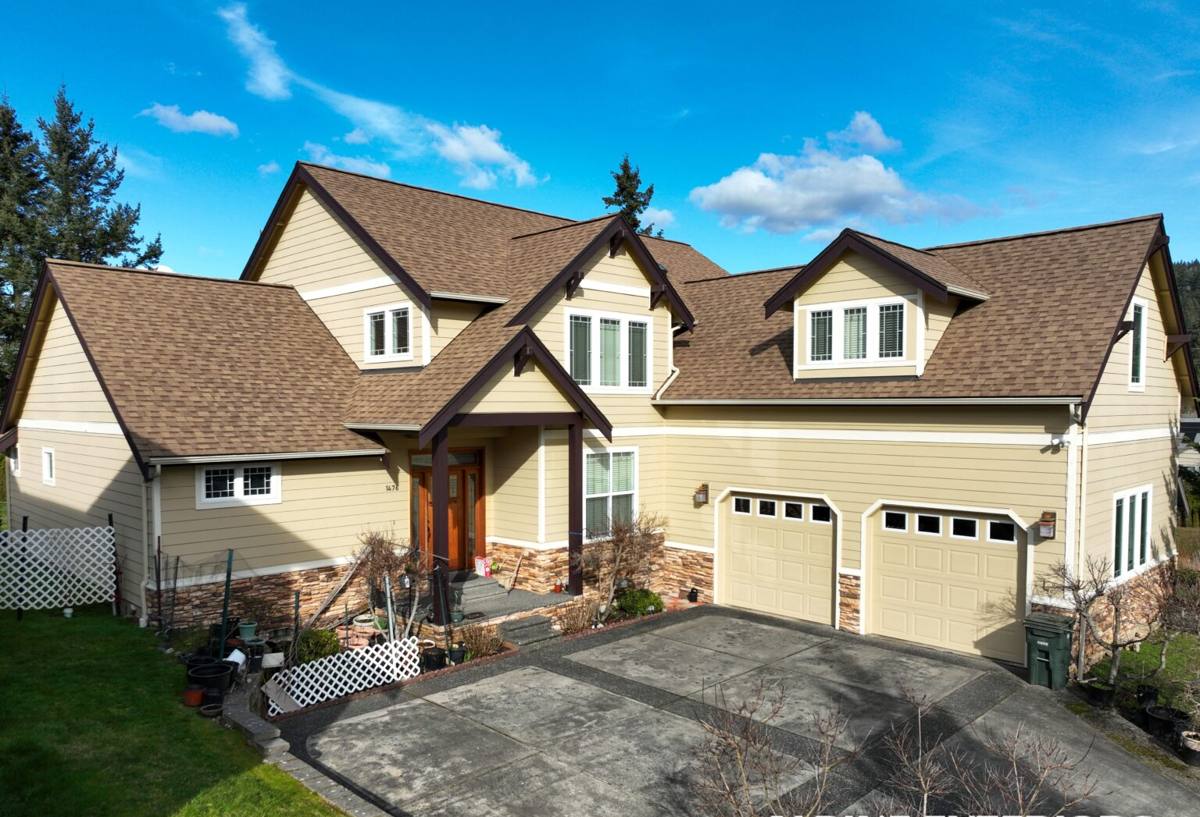
What Salt Air, Rain, and a Long Moss Season Do to a Roof
Three regional factors do most of the damage to Bellingham roofs, and they don't act alone — they compound each other.
Salt Air and Metal Corrosion
Flashing, fasteners, gutters, and vent caps are usually the first casualties. Salt-carrying moisture speeds up rust and corrosion on anything metal, and once a fastener or flashing edge starts to corrode, it stops sealing the way it should. A pinhole in a valley flashing or a corroded nail head is a small problem that turns into a ceiling stain if it's not caught.
Driving Rain and Wind-Driven Moisture
This area doesn't just get rain — it gets rain pushed sideways by wind off the water, which finds weaknesses that a straight-down rainstorm never would. Wind-driven rain gets up under shingle edges, through poorly lapped underlayment, and into any gap around penetrations like chimneys, skylights, and plumbing vents. Repairs that only look right from the ground can still leave these entry points open.
Moss, Algae, and a Roof That Never Fully Dries
Shaded, north-facing slopes and roofs under tree cover barely dry out between rains for much of the year. That's exactly what moss and algae need to take hold. Moss doesn't just look bad — its root structure lifts shingle edges and holds moisture against the roof deck, which accelerates rot and shortens the life of an otherwise sound roof section.
Signs a Bellingham Roof Needs Repair, Not Just a Watch-and-Wait
Some damage is obvious from the ground. Some of it isn't, and it's the second kind that causes the expensive surprises. Here's what we tell homeowners to watch for:
- Water stains or discoloration on interior ceilings, especially near chimneys, skylights, or where two roof planes meet
- Granules collecting in gutters or at downspout outlets, which signals shingle wear
- Visible moss on ridges, valleys, or shaded slopes, particularly with any thickness to it
- Lifted, cracked, or curling shingle edges, especially on slopes exposed to wind
- Rust streaks below metal flashing or vent caps
- Soft or spongy spots when the roof deck is walked
- Daylight visible through the roof deck from inside the attic
- Sagging along a ridge line or roof edge
Any one of these on its own might be minor. Two or three together usually mean the moisture has been working on the roof for a while and it's worth a real inspection rather than waiting for a leak to show up indoors.
What a Correct Roof Repair Actually Involves
A repair that only addresses the spot where water is showing up inside the house often misses where the water is actually getting in — those two locations aren't always the same. Water can travel along the underside of the deck or down a rafter before it drips somewhere visible. A correct repair starts with finding the real entry point.
Tracing the Leak, Not Just the Stain
We look at flashing, valleys, penetrations, and the shingle field uphill from the interior damage before we ever pull a shingle. Guessing wrong means paying to fix the wrong spot while the real leak keeps running.
Flashing and Underlayment
Because corrosion and wind-driven rain are the two biggest local threats, flashing repair or replacement is where a lot of the real work happens — around chimneys, skylights, dormers, and roof-to-wall transitions. Underlayment beneath the repaired section gets replaced too, not just the visible shingles, since aged or torn underlayment is often the actual reason a leak started.
Matching the Existing Roofing Material
Whether the roof is composition shingle, cedar shake, or metal, the repair section needs to tie in with matching material, proper overlap, and fasteners rated for this climate — not just whatever's on the truck. A patch that doesn't match the surrounding roofing's exposure and nailing pattern will fail at the seam before the rest of the roof does.
Moss and Debris Removal Around the Repair
If moss or heavy debris contributed to the failure, we clear it from the repair area and surrounding roof so the new work isn't immediately undermined by the same conditions that caused the original damage.
Repair or Replace? How We Help You Decide
Not every roof problem calls for a full replacement, and not every roof is a good candidate for another round of patching. The honest answer depends on the roof's age, how much of it is affected, and how many prior repairs it's already had.
| Situation | Repair Usually Makes Sense | Replacement Should Be Considered |
|---|---|---|
| Roof age | Under 15-20 years, otherwise sound | Nearing or past expected service life |
| Damage location | Isolated to one section, flashing, or penetration | Widespread across multiple slopes |
| Repair history | First or second repair on this roof | Third or more repair in the same areas |
| Underlying deck | Solid, no rot found | Soft, rotted, or delaminating decking |
| Moss/algae extent | Localized, treatable | Heavy coverage across most slopes |
We'll always tell you plainly which category your roof falls into. If a repair is the honest answer, that's what we'll recommend and price. We don't upsell a replacement on a roof that has years of life left in it.
Our Roof Repair Process
1. Inspection
We get on the roof, not just in the attic, and check the repair area along with flashing, valleys, and penetrations nearby. We also check for moss or debris buildup that could undo the repair if left in place.
2. A Clear, Written Estimate
You get a straightforward explanation of what's failing, why, and what the fix involves — in plain language, with the price in writing before any work starts.
3. The Repair Itself
Depending on scope, most roof repairs are a one-day job. We remove and replace only what's actually compromised, tie in new flashing and underlayment correctly, and match materials to the existing roof.
4. Cleanup and Walkthrough
We clear debris, magnet-sweep for stray fasteners, and walk the repair with you so you know exactly what was done and what to keep an eye on going forward.
What Affects the Cost of a Roof Repair in Bellingham
Repair costs vary more than people expect, mostly based on what's actually causing the leak rather than the size of the visible damage.
| Cost Factor | Why It Matters |
|---|---|
| Extent of hidden damage | Rotted decking or saturated underlayment adds material and labor beyond the visible patch |
| Roof pitch and access | Steeper slopes and difficult access require more setup time and safety measures |
| Roofing material | Cedar shake, metal, and specialty shingles cost more to source and match than standard composition |
| Flashing complexity | Multiple penetrations, valleys, or wall transitions mean more custom flashing work |
| Moss or algae remediation | Heavy growth may need treatment and removal before the repair can be done properly |
We'd rather give you a broad, honest range up front and firm it up after a hands-on look than quote blind over the phone. There's no charge for the inspection or estimate.
Why Hiring a Crew That Already Works in Bellingham Matters
A roofer who mostly works dry-climate roofs or roofs outside this region can miss what's specific to Whatcom County — how far moss can spread in a wet winter, which flashing details actually hold up against salt air, or how wind off the bay drives rain into places a calmer climate never would. We work on roofs in Bellingham and Ferndale routinely, so we're not learning the local failure patterns on your house.
That local familiarity also means we can move quickly when a leak is active. We know the neighborhoods, we know what roofing materials are common in this area, and we're not driving in from out of the region to look at a problem that needs attention sooner rather than later.
Get a Straight Answer on Your Roof
If you're seeing a stain on the ceiling, moss taking hold on a shaded slope, or shingles that look worse after this winter than last, it's worth having someone look before it turns into a bigger repair. We offer free, no-pressure estimates for Bellingham and Ferndale homeowners — just fill out the form below and we'll take it from there.