 Ferndale Roofing
 Roofing Sandy Point's Waterfront Homes
Sandy Point sits right on the water in northern Whatcom County, close enough to the Strait to catch salt-laden air and wind-driven rain almost year-round. That combination is harder on a roof than most inland Ferndale properties ever see. Fasteners corrode faster near the water, moss and algae get a longer growing season in the shade and moisture, and a roof that's only "good enough" for a typical Whatcom County home often falls short here after a few winters.
A new roof installation in Sandy Point isn't just about swapping old shingles for new ones. It's about choosing materials and installation details that hold up to salt exposure, sealing every edge and penetration against sideways rain, and building in enough ventilation that moss and moisture don't win the fight before the roof is even ten years old.
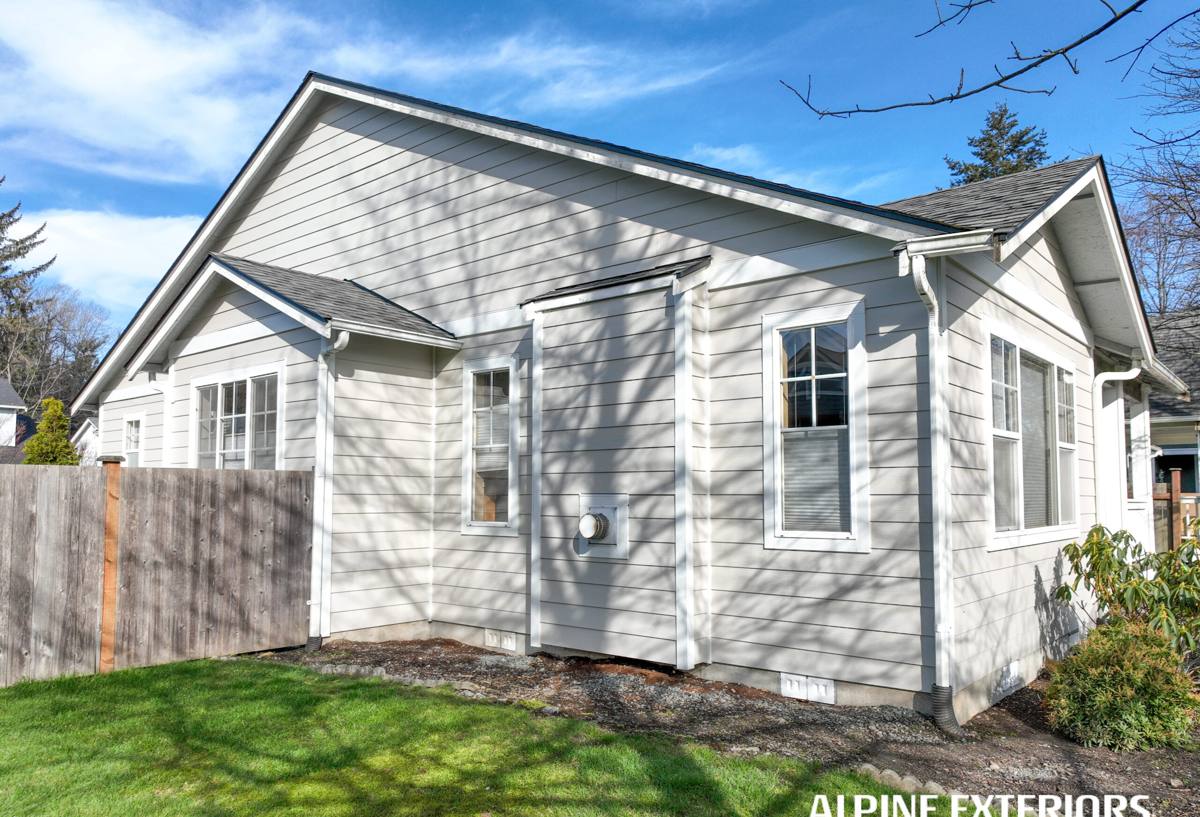
What Sandy Point's Climate Actually Demands From a Roof
Salt Air and Corrosion
Homes near the water deal with airborne salt that settles on metal flashing, nail heads, gutters, and vents. Over time, ordinary galvanized fasteners and lower-grade flashing can corrode, rust-stain the roof surface, and eventually fail at exactly the spots meant to keep water out — valleys, chimney flashing, and vent boots. On a waterfront install, we spec corrosion-resistant fasteners and flashing metals as a baseline, not an upgrade.
Driving, Wind-Blown Rain
Storms off the water rarely fall straight down. Wind-driven rain gets pushed sideways and upward under shingle edges, around chimneys, and into anything that isn't properly lapped and sealed. This is where installation quality matters more than the shingle brand on the wrapper — proper underlayment, ice-and-water barrier at vulnerable points, and correct flashing laps are what actually stop water intrusion in a storm.
A Long Moss Season
Shaded, moisture-holding roof sections in this part of Whatcom County can grow moss nearly year-round. Moss holds water against the roofing material, lifts shingle edges, and works its way under flashing over time. A new roof done right accounts for this from day one: proper ventilation to keep the deck drier, and a roofing material and installation approach that doesn't give moss an easy foothold.
Signs a Sandy Point Roof Needs Replacing, Not Patching
- Granule loss showing as bald or shiny patches on asphalt shingles
- Curling, cupping, or lifted shingle edges, especially on shaded slopes
- Rust streaking below flashing, vents, or nail heads
- Persistent moss or dark algae streaking that returns within a season of cleaning
- Soft spots, sagging, or visible daylight in the attic near eaves or valleys
- Water stains on interior ceilings after wind-driven rain events
- A roof approaching or past 20-25 years old, regardless of how it looks from the ground
Any one of these on its own might be a repair. Several together, especially on an older roof, usually means patching is just delaying the real cost.
Choosing the Right Roofing Material for a Waterfront Property
There's no single "best" roof for every Sandy Point home — it depends on budget, roof pitch, how exposed the property is to wind and salt spray, and how the homeowner wants to handle long-term maintenance. Here's how the common options compare for this specific setting.
| Material | Salt/Corrosion Handling | Moss Resistance | Typical Lifespan Here | Maintenance Load |
|---|---|---|---|---|
| Standard 3-tab asphalt | Fair — fasteners and flashing need upgrading | Low without treatment | 15-18 years | Higher — regular moss treatment needed |
| Architectural (laminate) asphalt | Good with proper flashing/fasteners | Better with algae-resistant granules | 22-28 years | Moderate |
| Standing-seam metal | Excellent with marine-grade fasteners/coating | High — sheds moisture, little surface for moss to grip | 40-50+ years | Low |
| Synthetic composite shake/slate | Good — non-corrosive material body | Moderate to high depending on product | 30-40 years | Low to moderate |
For most Sandy Point homes, we lean toward architectural asphalt with upgraded corrosion-resistant hardware for a solid, cost-effective roof, or standing-seam metal when a homeowner wants the longest service life and the lowest long-term maintenance in a marine environment. Either can be the right call — it comes down to budget, the roof's exposure, and how long you plan to own the home.
What a Correct Installation Actually Involves
The material on top gets all the attention, but most roof failures near the water trace back to what's underneath it or how the edges were finished. A proper new roof installation includes:
- Full tear-off to bare deck — never a second layer over old roofing, which traps moisture and hides deck damage
- Deck inspection and repair of any soft, rotted, or delaminated sheathing before anything new goes down
- Self-adhered ice-and-water barrier at eaves, valleys, and around penetrations, where wind-driven rain is most likely to get pushed uphill or sideways
- Synthetic underlayment across the full deck for a secondary water barrier
- Corrosion-resistant flashing at all chimneys, walls, and roof-to-roof transitions
- Marine-grade or coated fasteners appropriate for salt-air exposure
- Balanced intake and exhaust ventilation to keep the attic and deck drier year-round
- Proper nailing pattern and fastener count for wind exposure, not just the manufacturer's minimum
Skip any one of these steps and the roof may still look fine for a year or two — the problems show up later, usually after the first hard winter storm season.
Our Installation Process
- On-site inspection and estimate. We walk the roof, check the attic, and look at flashing, ventilation, and deck condition — not just the shingles.
- Material selection. We go over the honest trade-offs between asphalt, metal, and composite options for your specific roof and budget, with no pressure toward the highest-margin product.
- Scheduling around weather. Waterfront properties are more weather-sensitive during a tear-off, so we plan install windows carefully and keep the deck protected if conditions shift mid-job.
- Tear-off and deck inspection. Old roofing comes off completely, and any deck damage gets repaired before new materials go down.
- Underlayment and flashing installation. Ice-and-water barrier, synthetic underlayment, and corrosion-resistant flashing go in at every vulnerable point.
- Roofing material installation. Installed to manufacturer spec plus our own wind and exposure adjustments for a waterfront setting.
- Ventilation check and final details. Ridge and soffit ventilation, vent boots, and trim are finished and verified.
- Walkthrough and cleanup. We review the finished roof with you, cover care and warranty details, and make sure the property is clean of debris and nails.
Ventilation and Moisture Control Matter More Here
An under-ventilated attic traps warm, moist air against the underside of the roof deck. Near the water, where the air is already carrying more moisture, that's a shortcut to premature deck rot, shortened shingle life, and conditions that favor moss growth on the surface above. Balanced ventilation — enough intake at the eaves and exhaust at the ridge — keeps temperatures and humidity more even, which protects both the new roofing material and the wood underneath it. This is a detail we check on every new install, not something we add only if asked.
Why Hire a Crew That Already Works Sandy Point
Sandy Point is a tighter, private waterfront community, and roofing crews that don't work here regularly can underestimate a few things: the exposure difference between a home right on the water and one a few miles inland in Ferndale, the access and staging considerations that come with narrower private roads, and how much faster salt air ages ordinary hardware. A crew that already knows the area brings the right materials and fastener specs from the first estimate, instead of learning the hard way after a callback.
We're a Ferndale-based, Whatcom County roofing company, and we treat waterfront properties like Sandy Point homes as a distinct job, not a standard install with the same shingle and nail schedule we'd use inland. That shows up in fewer surprises during the job and a roof that's actually built for the conditions it has to survive.
Protecting Your Investment After Installation
A well-installed roof still benefits from basic upkeep in this climate:
- Keep gutters and valleys clear of debris that holds moisture against the roof
- Have moss growth treated early, before it lifts shingle edges or works under flashing
- Trim back overhanging branches that keep sections of the roof shaded and damp
- Schedule a periodic check of flashing and fasteners, especially after major windstorms
None of this replaces a properly installed roof, but it extends the life of one and helps catch small issues before they become interior damage.
If your Sandy Point home needs a new roof, or you're not sure whether what you have will make it through another wet season, we're happy to take a look and give you a straight answer. Reach out for a free, no-pressure estimate using the form below.