 Ferndale Roofing
 Kendall Roofs Face a Specific Kind of Wear
Kendall sits inland from the coast but still gets the full package of Whatcom County weather: long stretches of wet fall and winter months, wind-driven rain that doesn't fall straight down, and just enough salt-tinged air moving up from the Strait to accelerate corrosion on metal roof components. Add the region's shaded, tree-heavy lots and you get one more factor that matters more here than almost anywhere else in the state — moss.
None of these things destroy a roof overnight. What they do is work slowly, in the joints, laps, and fastener points that a roof depends on to shed water. A roof repair done for a Kendall home has to account for all three at once, not just patch the spot that's leaking today.
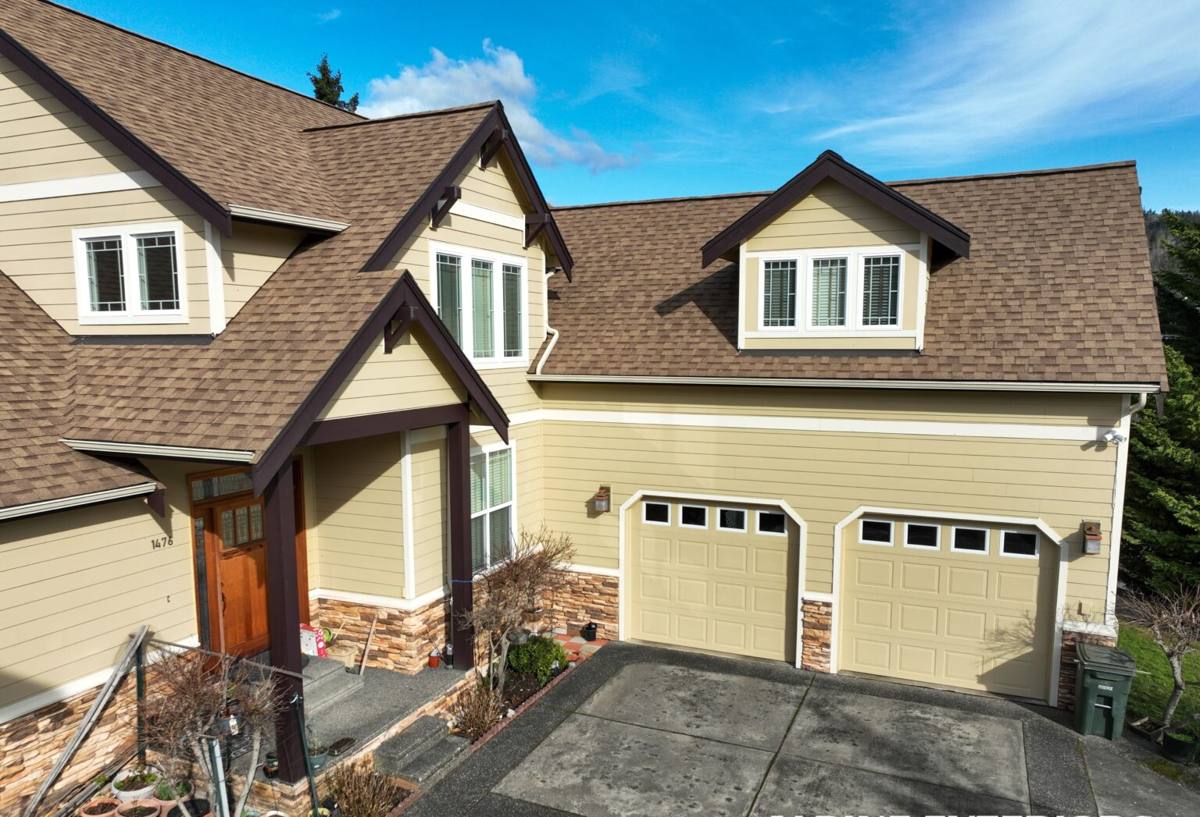
How Moss, Rain, and Salt Air Actually Damage a Roof
Moss
Moss doesn't just sit on top of shingles looking bad. Its root structure works into the granule surface and butt edges of asphalt shingles, and as it spreads it holds moisture against the roof deck far longer than open air ever would. That constant dampness is what eventually rots decking, lifts shingle tabs, and opens gaps at the most vulnerable points on the roof — valleys, ridges, and anywhere two roof planes meet.
Driving rain
A roof system is designed to shed water moving straight down. Wind-driven rain moves sideways and upward under shingle tabs, around flashing edges, and into any gap that a calm-weather roof would never notice. This is why so many "mystery leaks" trace back to flashing around chimneys, skylights, and wall-to-roof transitions rather than the shingle field itself.
Salt-tinged air
Inland from the immediate coastline, salt exposure is lighter than it is right on the water, but it's not zero. Over years, it speeds up corrosion on exposed fasteners, metal flashing, and gutter hardware. A fastener that's rusted through is a fastener that's no longer holding a shingle or flashing panel down the way it should.
Signs a Kendall Roof Needs Repair
Most roof problems give warning signs well before there's a leak inside the house. Catching them early is almost always the difference between a repair bill and a much larger one.
- Dark streaking or visible moss growth, especially on north-facing or shaded slopes
- Granules collecting in gutters or at downspout outlets
- Shingle tabs that are curling, cracked, or lifting at the edges
- Soft or spongy spots when the roof is walked for inspection
- Rust staining below metal flashing or exposed fasteners
- Daylight visible through the attic roof deck
- Water stains on interior ceilings, especially near chimneys, skylights, or exterior walls
- Sagging in the roofline between rafters
Any one of these on its own might be minor. Several together usually mean the roof has been dealing with moisture longer than it should have.
What a Correct Roof Repair Actually Involves
A roof repair that actually holds up in this climate goes beyond sealing the spot where water is currently showing up. Water rarely leaks in exactly where it enters — it travels along the deck or underlayment before finding a way through, so the visible leak and the actual failure point are often several feet apart.
A repair done right typically includes:
- Full-slope inspection, not just the reported leak area, to check for related wear nearby
- Removal of affected shingles and inspection of the underlayment and deck beneath them
- Deck repair or replacement if moisture has caused rot or softening
- Flashing correction at valleys, chimneys, vents, and wall transitions, since flashing failure is behind a large share of repeat leaks
- Fastener and seal replacement using corrosion-resistant hardware appropriate for this climate
- Matching shingle replacement that ties into the surrounding roof field cleanly
- Moss treatment on affected areas so the same growth doesn't undo the repair within a season or two
Skipping the underlayment and deck check is the most common shortcut in roof repair, and it's the one that causes the same leak to reappear a year later, often worse than before.
Common Kendall Repair Scenarios
| Situation | Likely Cause | Typical Fix |
|---|---|---|
| Leak near chimney or skylight | Flashing seal broken down from repeated wind-driven rain | Remove and reflash, checking deck beneath for moisture damage |
| Moss-covered north slope with granule loss | Shade, moisture retention, and root intrusion under shingle edges | Moss removal, spot shingle replacement, preventive treatment |
| Rust streaks below metal vents or flashing | Fastener or flashing corrosion | Replace hardware with corrosion-resistant fasteners |
| Soft spot found during walk-on inspection | Long-term moisture intrusion into deck | Deck section replacement, then shingle and underlayment repair |
| Interior ceiling stain with no visible roof damage | Water traveling under the surface before exiting | Trace-back inspection along the slope to locate true entry point |
Our Repair Process for Kendall Homes
1. Inspection and honest assessment
We start by walking the roof, not just looking at it from the ground. We check the reported problem area plus anywhere moisture tends to collect on that particular roof shape and slope. If the damage points toward a replacement being the smarter long-term decision rather than repeated repairs, we'll tell you that directly.
2. A clear, written scope
Before any work starts, you get a straightforward explanation of what's actually wrong, what needs to be done to fix it, and why. No pressure to add work that isn't needed.
3. The repair itself
We work down to the deck when the situation calls for it, rather than layering a patch over unseen damage. Flashing, fasteners, and materials are matched to what holds up under Whatcom County's rain and moisture load, not just what's cheapest to install.
4. Cleanup and a final walk-through
We clear debris and old materials from the property and walk the finished repair with you so you know exactly what was done.
Repair or Replace? What Actually Drives the Decision
| Factor | Favors Repair | Favors Replacement |
|---|---|---|
| Age of roof | Under roughly 15 years | Nearing or past expected service life |
| Extent of damage | Isolated to one area or slope | Widespread across multiple slopes |
| Deck condition | Solid, dry decking beneath the damage | Rot or softness found in multiple spots |
| Repair history | First or infrequent repair need | Recurring leaks in different areas |
| Moss/moisture pattern | Localized, manageable with treatment | Chronic growth across shaded slopes |
We'll always give you our honest read on which side of that table your roof falls on. Most of the repair calls we get in Kendall are genuinely repairs — full replacement gets recommended only when the numbers and the roof's condition actually support it.
Why Hiring a Crew That Already Works Kendall Matters
Roofing problems in this part of Whatcom County follow patterns — which slopes hold moss longest, which flashing details tend to fail first under driving rain, how much salt exposure a given elevation actually sees. A crew that repairs roofs across Ferndale and the surrounding area regularly sees those patterns repeat from one property to the next, which means less guesswork and fewer surprises once the shingles come off.
It also means the materials and fastener choices are already suited to this climate rather than a generic spec sheet. A roof repair that would hold up fine in a dry inland climate can fail here within a couple of seasons if it wasn't built with this area's rain and moss pressure in mind.
Simple Maintenance That Extends a Repair's Lifespan
A good repair lasts longer when it's paired with basic upkeep between visits:
- Clear gutters and downspouts at least twice a year so water doesn't back up under shingle edges
- Trim back overhanging branches to reduce shade and debris buildup that feeds moss
- Have moss treated before it spreads, not after it's visible from the street
- Check attic spaces occasionally for daylight, staining, or musty odor
- Schedule a roof inspection after any major windstorm, even if nothing looks obviously wrong
What a Roof Repair Estimate Should Tell You
A useful estimate does more than list a price. It should explain what's actually wrong, what caused it, what the repair includes, and what to expect if the underlying issue isn't addressed. If an estimate can't explain the "why" behind the work, it's worth asking more questions before agreeing to it.
If you're seeing moss buildup, a slow leak, or just want a second opinion on a roof's condition, we're happy to come out, take an honest look, and put together a clear, no-pressure estimate. Use the form below to get started.