 Ferndale Roofing
 New Roof Installation in Cordata
Cordata sits close enough to the water and to the timber that ring this part of Whatcom County that its roofs take on a specific kind of punishment. Salt-tinged air off the Strait works into fasteners and flashing over the years. Driving rain off winter storms finds every gap in an aging roof system. And a long, damp moss season keeps organic growth working against shingles for months at a time rather than weeks. A new roof installed here needs to be built with all three of those things in mind from day one, not treated as a generic reroof job.
This page covers what a correctly installed new roof looks like for a Cordata home, what our process involves start to finish, and why local experience with this specific stretch of Whatcom County matters more than it might in a drier, more sheltered climate.
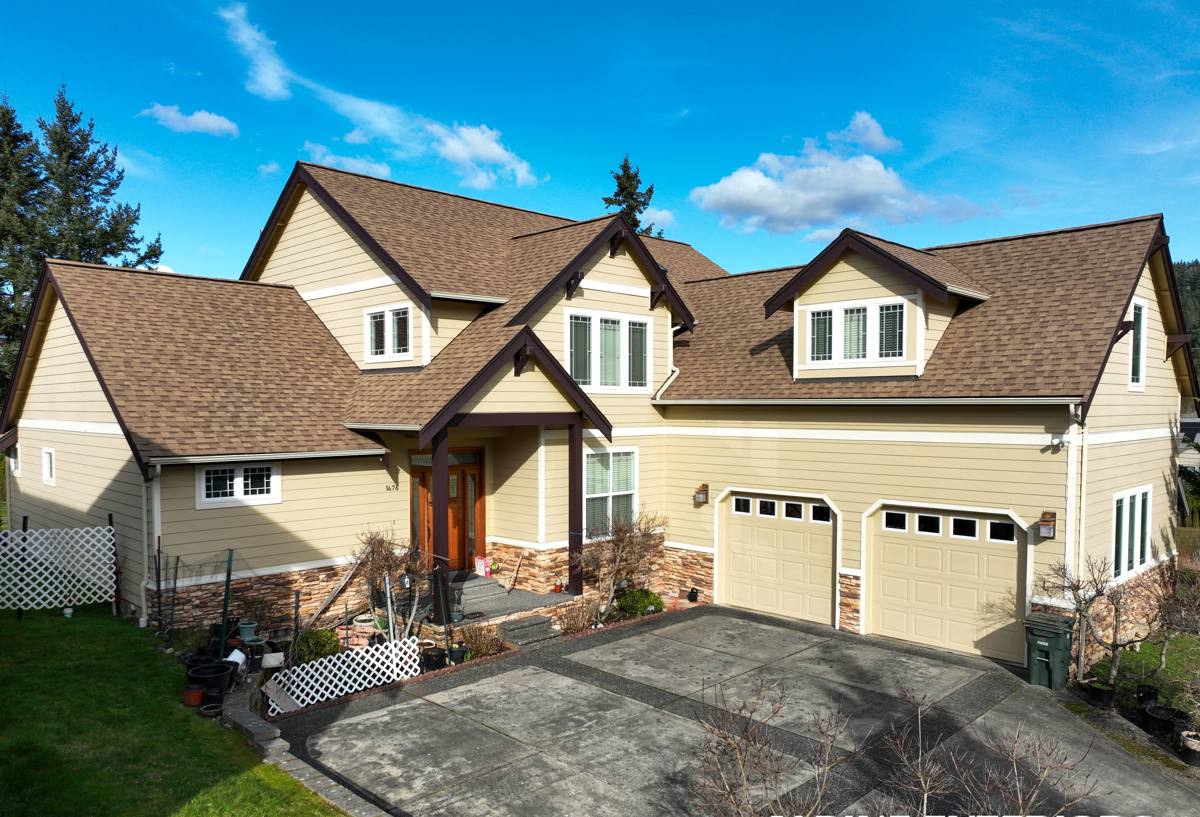
What Cordata Homes Actually Need From a New Roof
Most homes in this area were built with roofing assemblies sized for a Pacific Northwest climate in general, but not always for the particular combination of moisture and airborne salt that shows up this close to the water. A new roof installation is the one chance to correct that at the assembly level, rather than patching around it every few years.
Moisture Management Comes First
Underlayment quality, flashing detail, and ventilation all matter more here than the shingle brand on top. A roof can have premium shingles and still fail early if water is allowed to sit at valleys, penetrations, or eaves during the long stretches of steady winter rain this region gets. We treat the underlayment and flashing package as the actual weatherproofing system, with the visible roofing material as the wear layer on top of it.
Moss Resistance Built In, Not Added On
A long moss season means moss isn't an occasional nuisance here, it's a recurring seasonal event. New roofs benefit from moss-resistant shingle products (many now carry zinc or copper granule blends for this reason) and from ventilation and shading conditions that are accounted for at installation rather than fought after the fact with treatments and manual removal.
Corrosion-Resistant Fasteners and Flashing
Salt air accelerates corrosion in standard fasteners, drip edge, and flashing over time, especially on roofs facing prevailing wind and weather. We spec corrosion-resistant materials for these components on Cordata installs as a matter of course, not as an upgrade option.
What a Correct New Roof Installation Involves
A new roof is more than removing old shingles and nailing down new ones. Every layer of the assembly does a job, and skipping or rushing any one of them shows up as a callback within a few years.
Tear-Off and Deck Inspection
We remove the existing roofing down to the deck rather than layering over it. This lets us actually see the condition of the sheathing underneath, which is the only way to catch rot or soft spots caused by long-term moisture intrusion before they're covered up again for another 20-plus years.
Deck Repair Where Needed
Any deteriorated sheathing gets replaced before anything else goes down. Installing a new roof over a compromised deck is one of the most common ways a roof job fails early, and it's not something that shows from the ground.
Underlayment and Ice/Water Protection
We use synthetic underlayment across the field of the roof and self-adhering ice-and-water membrane at eaves, valleys, and penetrations, where standing water and wind-driven rain are most likely to find a way in.
Flashing at Every Transition
Chimneys, sidewalls, skylights, and valleys all get new flashing, not reused flashing from the old roof. Flashing is one of the most common failure points on any roof, and it's inexpensive to do right at the time of a full replacement compared to fixing it later.
Ventilation
Proper intake and exhaust ventilation keeps the attic space dry and temperature-balanced, which reduces moisture buildup that contributes to both deck rot and moss growth on the roof surface above it.
Final Roofing Material and Finish Details
Shingles, ridge caps, and any accessory metal are installed to manufacturer specification, which is also what keeps the material warranty valid. We finish with a full site cleanup, including a magnetic sweep for stray nails.
Roofing Material Options for This Climate
There isn't a single right answer for every home, but some material choices hold up better than others against this area's specific mix of rain, salt air, and moss pressure. The table below covers the trade-offs we walk homeowners through most often.
| Material | Moss/Moisture Resistance | Maintenance | Typical Lifespan Here |
|---|---|---|---|
| Architectural asphalt shingle | Good, especially with algae/moss-resistant granules | Low to moderate | 25-30 years |
| Standard 3-tab shingle | Fair | Moderate; more prone to moss buildup over time | 15-20 years |
| Metal roofing | Very good; sheds moisture and resists moss | Low | 40-plus years |
| Wood shake | Poor without diligent upkeep in a wet, mossy climate | High | Varies widely with maintenance |
We're upfront that wood shake carries a real maintenance burden in a climate with this much sustained moisture and moss pressure. It's not that the material is bad, it's that it demands a level of ongoing upkeep that most homeowners don't want to commit to for the life of the roof. We'll install it if that's the look a homeowner wants, but we'll also explain that trade-off honestly before the contract is signed rather than after.
Our Process for a Cordata New Roof Installation
- On-site inspection and estimate. We walk the roof and attic space, note existing damage, ventilation condition, and any problem areas specific to the home's exposure.
- Material and scope walkthrough. We go over shingle or material options, ventilation upgrades if needed, and a clear, itemized estimate.
- Scheduling around the weather. Roofing work here has to work with the rain, not against it. We plan tear-off and dry-in in stages so the home is never left exposed longer than necessary.
- Tear-off, deck inspection, and repair. Old roofing comes off, the deck gets inspected, and any needed repairs happen before anything new goes down.
- Underlayment, flashing, and ventilation installation. The parts of the roof that do the actual weatherproofing work go in first and get inspected before the finish material is applied.
- Finish material installation. Shingles or metal panels go down to manufacturer spec, with ridge and accessory details finished cleanly.
- Cleanup and final walkthrough. Full site cleanup, magnetic nail sweep, and a walkthrough so the homeowner knows exactly what was done.
Why Local, Cordata-Familiar Experience Matters
A roofing crew that regularly works this part of Whatcom County already knows which homes tend to have moss buildup in shaded valleys, which orientations take the worst of the driving rain, and which fastener and flashing choices actually hold up against salt air over a decade instead of just looking fine on installation day. That's not something a general contractor pulling permits across a wider, drier region necessarily has front of mind. It shows up in small decisions — how ventilation is sized, where ice-and-water membrane gets extended, what fastener coating gets specified — that add years to a roof's service life without adding meaningfully to the cost of the job.
Signs Your Current Roof May Be Ready for Replacement
- Shingles that are cupping, curling, or losing granules in large patches
- Persistent moss or dark streaking that returns shortly after cleaning
- Soft spots or sagging visible from the attic or from the ground
- Daylight visible through the roof deck from inside the attic
- Water stains on interior ceilings, especially after heavy rain
- A roof that's approaching or past the manufacturer's expected service life
- Rising energy bills that may point to failed attic ventilation or insulation
Any one of these on its own doesn't necessarily mean full replacement is the only option, but a combination of several is usually a sign that repair costs will start outpacing the value of patching an aging system.
Cost Factors for a New Roof Installation
Every home is different, so we don't quote prices without seeing the roof, but the main factors that move a project's cost are consistent across most Cordata homes.
| Factor | Why It Matters |
|---|---|
| Roof size and complexity | More valleys, dormers, and penetrations mean more flashing detail and labor time |
| Deck condition | Hidden rot from long-term moisture intrusion adds repair scope once the old roofing is off |
| Material choice | Standard shingles, architectural shingles, and metal all carry different material and labor costs |
| Ventilation upgrades | Older homes often need added intake or exhaust venting to meet current moisture-control standards |
| Access and pitch | Steeper or harder-to-access roofs take longer and require more safety setup |
Get a Free, No-Pressure Estimate
If your Cordata home's roof is showing its age or you're planning ahead rather than waiting for a leak, we're happy to take a look and walk you through exactly what your home needs, with no obligation attached. Use the form below to request a free estimate and we'll schedule a time to inspect the roof in person.