 Ferndale Roofing
 Cordata's Siding Has a Harder Job Than Most People Realize
Cordata sits in that stretch of Whatcom County where marine air off the Salish Sea, seasonal wind-driven rain, and long stretches of overcast, damp weather all combine to put real, sustained stress on the outside of a house. It's not dramatic weather most of the year — no hurricanes, no hailstorms — but it's relentless. Siding here doesn't fail because of one bad storm. It fails slowly, from months of saturation, freeze-thaw cycling in the shoulder seasons, and moss and algae that never fully dry out between rains.
That's the backdrop for every siding decision a Cordata homeowner makes. The product on the wall needs to shed water, resist rot, hold paint and color, and stand up to salt-laden air without needing constant babysitting. A lot of siding materials can handle one or two of those demands. Few handle all of them well, year after year, in this specific climate.
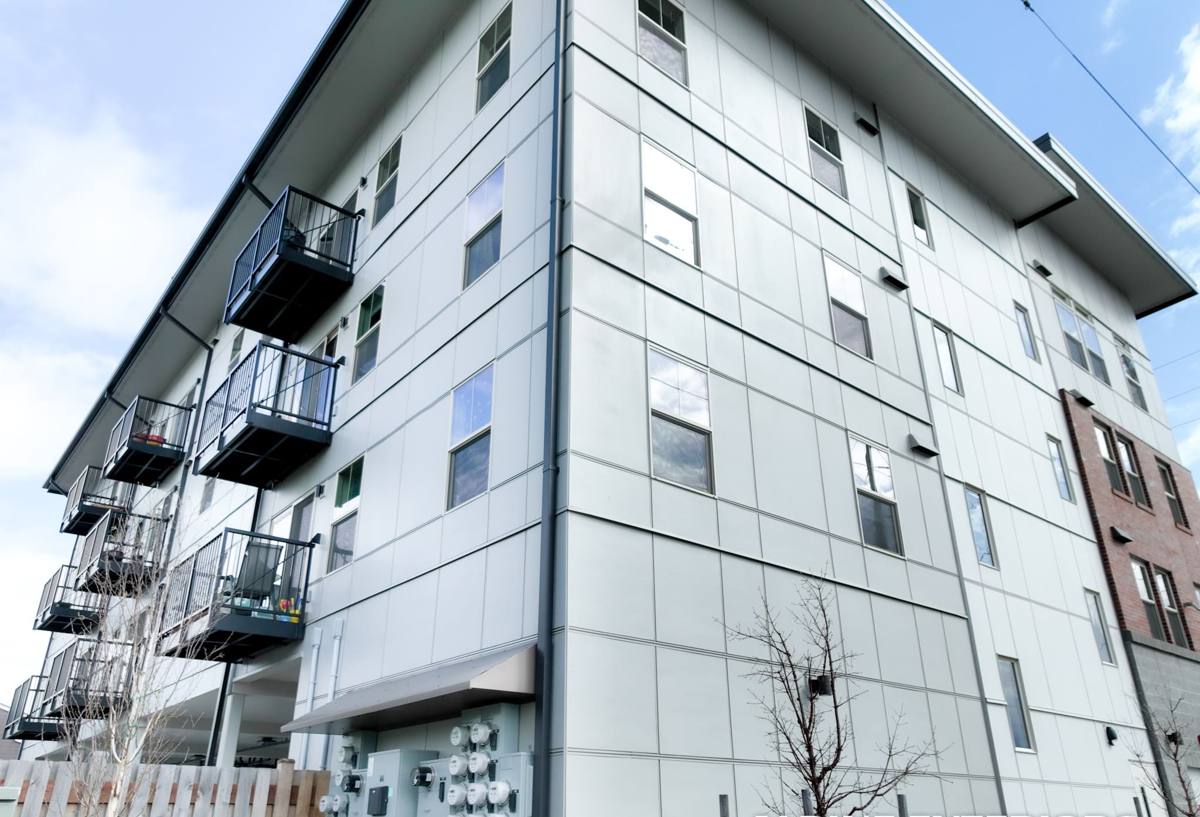
Why We Only Install James Hardie Fiber Cement Here
We standardized on James Hardie fiber cement siding for every home we side in Ferndale and the surrounding communities, including Cordata, and we don't install vinyl, LP SmartSide, cedar, primed spruce, Cemplank, or Allura instead. That's not a marketing position — it's a professional judgment call based on how those materials actually perform in this specific climate over a 20-30 year span, and we're happy to walk any homeowner through the reasoning.
Vinyl expands and contracts with temperature swings and can warp or buckle; it also isn't a great match for a region where wind-driven rain regularly tests seams and laps. Wood-based products, including engineered wood siding, are more vulnerable to moisture intrusion at cut edges and fastener penetrations — and once moisture gets in, wood-based cores swell and degrade. Cedar looks great on day one but demands ongoing sealing, staining, and vigilance against rot and pest damage that most homeowners underestimate. Fiber cement, by contrast, is dimensionally stable, doesn't feed rot, and is engineered specifically for wet coastal and marine climates like ours.
James Hardie's HZ5 Engineering
James Hardie manufactures its siding in different formulations tuned to different climate zones, and the HZ5 product line is engineered for climates like Whatcom County's — wet, moderate-temperature, coastal-influenced. It's built to resist moisture absorption and hold up under sustained damp conditions rather than just occasional rain events. That distinction matters more here than it would in a dry inland climate, where almost any siding product can look fine for years.
What Correct Installation Actually Involves
Fiber cement siding is only as good as the installation behind it. Hardie's own warranty is conditioned on installation to their published specifications, and a rushed or shortcut job is the single biggest reason siding — any siding — fails early in a climate like ours. On every Cordata project, correct installation means:
- A drainable weather-resistive barrier installed correctly behind the siding, with proper overlaps and no gaps at penetrations
- A rain screen gap where conditions call for it, so incidental moisture behind the cladding can actually drain and dry instead of sitting against the wall
- Correct flashing at every window, door, deck ledger, and roof-wall intersection — this is where the overwhelming majority of real-world moisture problems originate, not in the field of the siding itself
- Fastener placement and spacing per Hardie's installation instructions, not "close enough"
- Proper clearance from grade, decks, patios, and roof lines so siding isn't sitting in standing water or splash-back
- Factory-cut and sealed edges wherever field cuts are unavoidable, since exposed raw edges are a moisture entry point
None of this is exotic. It's disciplined, unglamorous work — but skipping any one of these steps is exactly how a well-made product ends up with a moisture problem five or ten years down the road, and the homeowner blames the siding instead of the installation.
Matching the Right Hardie Profile to a Cordata Home
Hardie makes several distinct product lines, and the right one depends on the home's architecture, exposure, and the look the owner wants. We walk through this on-site rather than assuming, because a home with heavy west-facing exposure to driving rain benefits from different detailing than a more sheltered lot.
| Product Line | Typical Use | Notes for This Climate |
|---|---|---|
| HardiePlank lap siding | Most common — traditional horizontal lap look | Widest range of exposure widths and finishes; performs well with proper rain screen detailing |
| HardiePanel vertical siding | Modern facades, accent walls, gable ends | Fewer horizontal laps means fewer water-shedding joints to detail correctly |
| HardieShingle | Craftsman and cottage-style accents | More labor-intensive install; detailing at butt joints matters more in high-rainfall areas |
| HardieTrim boards | Corners, fascia, window and door surrounds | Paired with the field siding to keep trim and cladding moving and weathering together |
ColorPlus Finish: Less Maintenance in a Climate That Punishes Repainting
One of the most practical advantages of Hardie siding for a house in Cordata is the ColorPlus factory finish option. It's baked on in a controlled factory environment rather than field-applied, which means better adhesion and more consistent coverage than a job-site paint job — and in a climate where field-applied paint has fewer good drying windows per year, that difference compounds over time. ColorPlus finishes also come with their own finish warranty separate from the substrate warranty, covering fading and peeling.
Color retention matters more here than it might in a sunnier, drier climate, but for a different reason: it's not UV fading we're guarding against so much as the slow buildup of grime, moss spores, and algae staining on a surface that rarely gets a long dry stretch to fully clean and dry out. A factory finish that's tightly bonded to the substrate resists that buildup better than field-applied paint that's more porous at a microscopic level.
Moss, Algae, and the Long Wet Season
Whatcom County's moss season isn't a minor cosmetic issue — sustained moisture against a wall, especially on north- and shaded-side exposures, is exactly the condition moss and algae need to establish. Fiber cement itself doesn't feed organic growth the way wood-based siding can, but any siding will host surface growth if water isn't shedding and drying properly. That's another reason correct flashing, grade clearance, and rain screen detailing matter as much as the siding material itself — the goal is a wall assembly that dries out between rain events, not just a material that resists rot in isolation.
Our Process on a Cordata Project
We approach every siding job the same disciplined way, whether it's a full re-side or a targeted repair:
- On-site assessment — we look at existing siding condition, water damage indicators, exposure direction, and any trouble spots around windows, decks, and rooflines before quoting anything
- Product and profile selection — matched to the home's architecture and exposure, with the homeowner walking through color and profile options
- Tear-off and substrate inspection — this is where hidden rot or moisture damage from the old siding gets found and addressed before new material goes up, not covered over
- Weather barrier and flashing installation — the part of the job that determines whether the siding performs for 30 years or 10
- Hardie installation to manufacturer spec — correct fastening, spacing, and sealed cut edges
- Final inspection and cleanup — including a walkthrough with the homeowner before we consider the job done
Why a Crew That Already Works Cordata Matters
Siding work isn't identical from town to town, even within the same county. A crew that regularly works Cordata and the greater Ferndale area already knows the kind of exposure local homes typically face, has a working relationship with the local permitting process, and has seen firsthand how quickly a poorly detailed wall assembly turns into a moisture problem in this specific climate. That local repetition is worth something — it's the difference between a crew applying generic best practices and one that's calibrated its details to what actually holds up here.
What Drives Cost on a Siding Project
| Factor | Why It Matters |
|---|---|
| Home size and wall complexity | More corners, gables, and cutouts mean more labor and material waste |
| Existing siding removal | Tear-off and disposal of old material adds time and cost versus new construction |
| Substrate repair needs | Rot or moisture damage found during tear-off must be repaired before re-siding |
| Product line and profile | Lap, panel, shingle, and trim combinations vary in material and labor cost |
| ColorPlus vs. field-primed | Factory finish carries a cost premium but reduces future repainting |
| Detailing complexity | Extensive flashing, rain screen work, and trim detail take more skilled labor time |
We don't quote broad numbers over the phone because these variables genuinely move the price — an accurate estimate requires seeing the home.
Living With Hardie Siding in This Climate
Once it's installed correctly, Hardie siding is low-maintenance relative to wood or engineered wood alternatives, but "low-maintenance" doesn't mean "no maintenance" here. We recommend homeowners periodically check for any organic growth buildup, keep gutters and downspouts clear so water isn't sheeting down the wall face, maintain clearance between siding and landscaping or mulch beds, and have caulking at trim and penetrations inspected every few years. None of that is unique to Hardie — it's just what any exterior surface needs in a climate this wet — but Hardie's resistance to rot and moisture absorption means small maintenance lapses are far less likely to turn into structural problems.
If you're weighing a siding replacement or repair in Cordata, we're glad to come take a look and give you a straightforward, no-pressure estimate — including an honest read on what your home's exposure actually needs, not just a standard package. Use the form below to get started.