 Ferndale Roofing
 Board & Batten Siding for Lynden Homes
Lynden's mix of farmhouses, craftsman-style homes, and newer builds along the Nooksack River valley has always suited a vertical siding profile. Board and batten — wide flat panels with narrower strips covering each seam — gives a home the clean, tall lines that fit both a century-old farmhouse and a new custom build. It's one of the most requested siding styles we install in this part of Whatcom County, and it's also one of the easiest styles to get wrong if the person installing it doesn't understand what our climate does to a wall over twenty or thirty years.
We install board and batten siding for homeowners throughout Lynden and the surrounding Ferndale service area, and this page walks through what the style needs to hold up here, what a correct installation actually involves, and why we've standardized on James Hardie fiber cement rather than the wood, vinyl, or engineered wood alternatives you'll also find quoted.
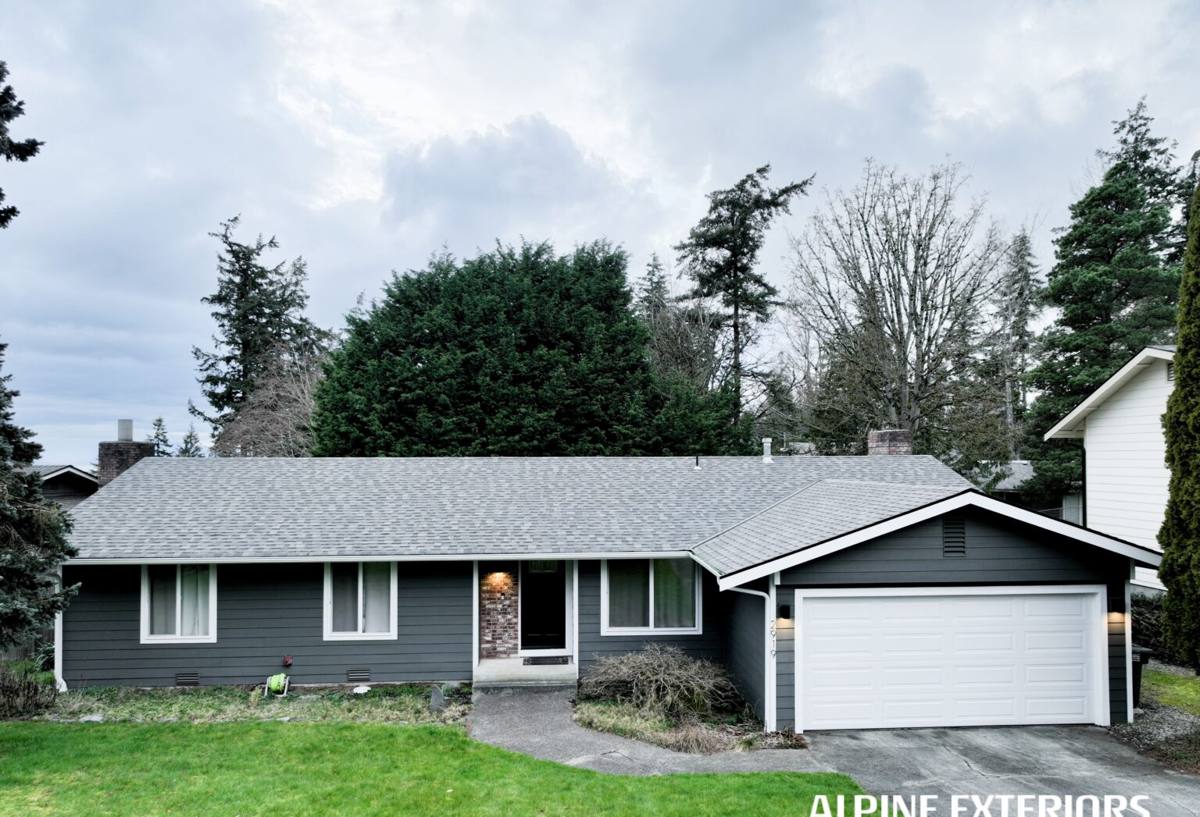
Why Lynden's Climate Is Hard on Vertical Siding
Lynden sits a little further inland than the coastal parts of our service area, so it sees somewhat less direct salt air than homes right along Bellingham Bay — but it still sits under the same wet Pacific weather pattern that defines this whole region. Long stretches of driving rain, low winter sun angles, and heavy valley fog off the Nooksack River all add up to siding that stays damp far more often than it stays dry.
That matters more for board and batten than for lap siding. Vertical seams and battens create more edges and more places for water to find a way behind the cladding if the install isn't detailed correctly. Combine that with our long moss season — moss and algae get a foothold on any shaded, slow-drying wall from fall through spring — and you end up with a siding style that looks great on day one but punishes shortcuts over time.
- Driving rain: wind-driven storms push water sideways into vertical joints, not just straight down
- Moss and algae: north-facing walls and anything shaded by trees stay damp longer, feeding growth
- Freeze-thaw swings: winter cold snaps stress any siding that's already holding moisture
- Farmland humidity: the Nooksack valley's fog and irrigation moisture keep ambient humidity higher than you'd expect this far from the coast
What a Correct Board & Batten Installation Requires
A Drainage Gap Behind the Siding
Any vertical siding installed flat against the wall sheathing traps moisture that gets past the outer layer. A correct install uses a rainscreen or furring gap so water that does get behind the panels has somewhere to drain and air to dry it out, rather than sitting against the sheathing. This is the single most important detail on any Lynden board and batten job, and it's the one that gets skipped most often by crews trying to save time.
Fastening and Panel Layout
Board and batten panels need to be fastened according to the manufacturer's spacing and edge-distance requirements, not "close enough." Battens have to land over real seams and be fastened through to framing or proper backing — not just tacked to the panel below. Panel layout also needs to account for expansion gaps at trim, corners, and window and door openings so the material isn't fighting itself as temperatures swing through the year.
Flashing at Every Penetration
Windows, doors, hose bibs, light fixtures, deck ledgers — every penetration through the siding is a place water can get behind it. Correct flashing (and where needed, kick-out flashing at rooflines) directs water back out over the siding face instead of behind it. This is invisible once the job is done, which is exactly why it's worth asking about before hiring anyone.
Caulking and Finish Details
Joints get sealed with a quality exterior sealant rated for the material, not whatever's on the truck. On a factory-finished product this is limited to specific joints called out by the manufacturer — over-caulking a system designed to manage water on its own can actually trap moisture instead of shedding it.
Why We Install Only James Hardie Fiber Cement
We get asked regularly about wood board and batten, vinyl vertical panel, and engineered wood options like LP SmartSide. All of them can look similar to Hardie from the curb. The difference shows up after a few Lynden winters.
Real wood board and batten has genuine character, but it's the highest-maintenance option in our climate — it needs regular repainting, is the most vulnerable to moss and rot in shaded, damp areas, and any gap or crack lets water in fast. Vinyl vertical panel is low-maintenance and inexpensive, but it's a thinner, more flexible material that can warp in heat, crack in a hard freeze, and it doesn't hold paint if a homeowner ever wants to change the color. Engineered wood products use wood fiber with a resin coating, which performs reasonably when installed and maintained exactly to spec, but any breach in that coating — a nick, an unsealed cut edge, sustained ponding at the base — lets moisture into the wood fiber core, and once that starts it doesn't reverse.
James Hardie fiber cement is cement, sand, and cellulose fiber — it doesn't have a wood core to rot, it's non-combustible, and it holds its shape through our wet winters and warmer summers without warping. The factory-applied ColorPlus finish is baked on under controlled conditions, which holds up to UV and moisture far better than a field-applied paint job, and it comes with a real, transferable manufacturer warranty. That's why it's the only siding brand we put on homes, board and batten included.
Comparing the Options
| Material | Moisture Resistance | Maintenance | Typical Lifespan |
|---|---|---|---|
| James Hardie fiber cement | Excellent — no wood core, engineered for wet climates | Occasional wash; no repainting needed | 30+ years with correct install |
| Real wood (cedar, etc.) | Poor to fair — vulnerable at seams and shaded areas | Repaint or restain every few years | 15–25 years, climate-dependent |
| Engineered wood (LP SmartSide) | Good if coating stays intact | Inspect cut edges and coating regularly | 20–30 years if undamaged |
| Vinyl vertical panel | Fair — manages surface water, can trap condensation | Low; can't be repainted | 15–25 years, shorter in temperature swings |
Our Process for a Lynden Board & Batten Project
1. On-Site Assessment
We walk the home, check the current siding and sheathing condition, and look specifically at drainage — grade slope, gutter performance, and any areas that stay shaded or damp longer than the rest of the house. Those areas often need extra attention in the new install.
2. Tear-Off and Wall Prep
Old siding comes off and we inspect the sheathing underneath for hidden rot or water damage before anything new goes up. A weather-resistant barrier and rainscreen gap get installed correctly the first time, since this layer is what actually protects the wall long-term.
3. Installation to Manufacturer Spec
Panels and battens go up following James Hardie's fastening, spacing, and flashing requirements exactly — not shortcuts, not "how we've always done it." Every window, door, and penetration gets flashed before the siding closes it in.
4. Trim, Finish, and Walkthrough
Trim and corner details get finished, joints get sealed where the system calls for it, and we walk the finished job with the homeowner before calling it done.
Signs Your Current Siding Is Due for Replacement
- Soft, spongy, or crumbling spots when you press on the siding, especially near the bottom courses
- Persistent moss or algae staining that comes back within weeks of cleaning
- Visible warping, buckling, or gaps opening up between boards or panels
- Paint that's peeling or blistering repeatedly in the same spots
- Rising energy bills that suggest the wall assembly isn't sealing the way it used to
- Interior signs like peeling paint or musty smells on exterior-facing walls
Maintenance Once It's Installed
James Hardie board and batten is genuinely low-maintenance, but "low" doesn't mean "none" in a climate like ours. An annual rinse (garden hose pressure, not a pressure washer aimed directly at seams) keeps moss and pollen from building up, especially on shaded north- and west-facing walls. Keep gutters clear and grade sloped away from the foundation so water isn't sitting against the base of the siding, and take a walk around the house each fall to check that caulking at trim joints hasn't cracked or pulled away.
Cost Factors to Expect
| Factor | How It Affects the Job |
|---|---|
| Tear-off scope | Full removal of old siding costs more than installing over sound existing sheathing, but skipping it risks covering up hidden damage |
| Sheathing repair | Rot found during tear-off adds cost but is far cheaper to fix now than after new siding goes up over it |
| Home height and access | Multi-story sections and steep or limited-access areas take more time and equipment |
| Trim and detail complexity | More windows, corners, and roof intersections mean more flashing and cutting |
| Panel size and finish | ColorPlus factory finishes and specific batten profiles vary in material cost |
Why Hire a Crew That Already Works in Lynden
A lot of siding problems in this region trace back to installers who didn't build for our specific weather — crews used to drier climates who skip the drainage gap, under-flash a window, or don't account for how long a shaded wall stays wet here. Working regularly in Lynden and the greater Ferndale area means we're not guessing at how Whatcom County's rain, moss, and fog behave against a wall — we're building for it every time, on every job.
If you're considering board and batten siding for your Lynden home, we're happy to take a look and talk through what your house specifically needs — no pressure, no obligation. Reach out below for a free estimate.