 Ferndale Roofing
 Why Blaine Windows Wear Out Faster Than Windows Inland
Blaine sits right on the water at the northwest corner of Whatcom County, and that location comes with a specific set of problems for windows. Salt-laden air off the bay works on metal hardware, screens, and exposed fasteners in a way that inland Ferndale or Bellingham homes rarely deal with. Add driving rain that comes in sideways off the Strait during winter storms, and a wet season that runs long enough to grow moss on north-facing trim, and you've got a climate that ages windows well before they hit the end of their expected lifespan.
We see it constantly on service calls: seals that failed years ahead of schedule, aluminum frames pitted and stiff, wood sills gone soft under peeling paint. None of that means every window in Blaine needs to be replaced tomorrow. It means replacement decisions here should be made with the local exposure in mind, not a generic national timeline.
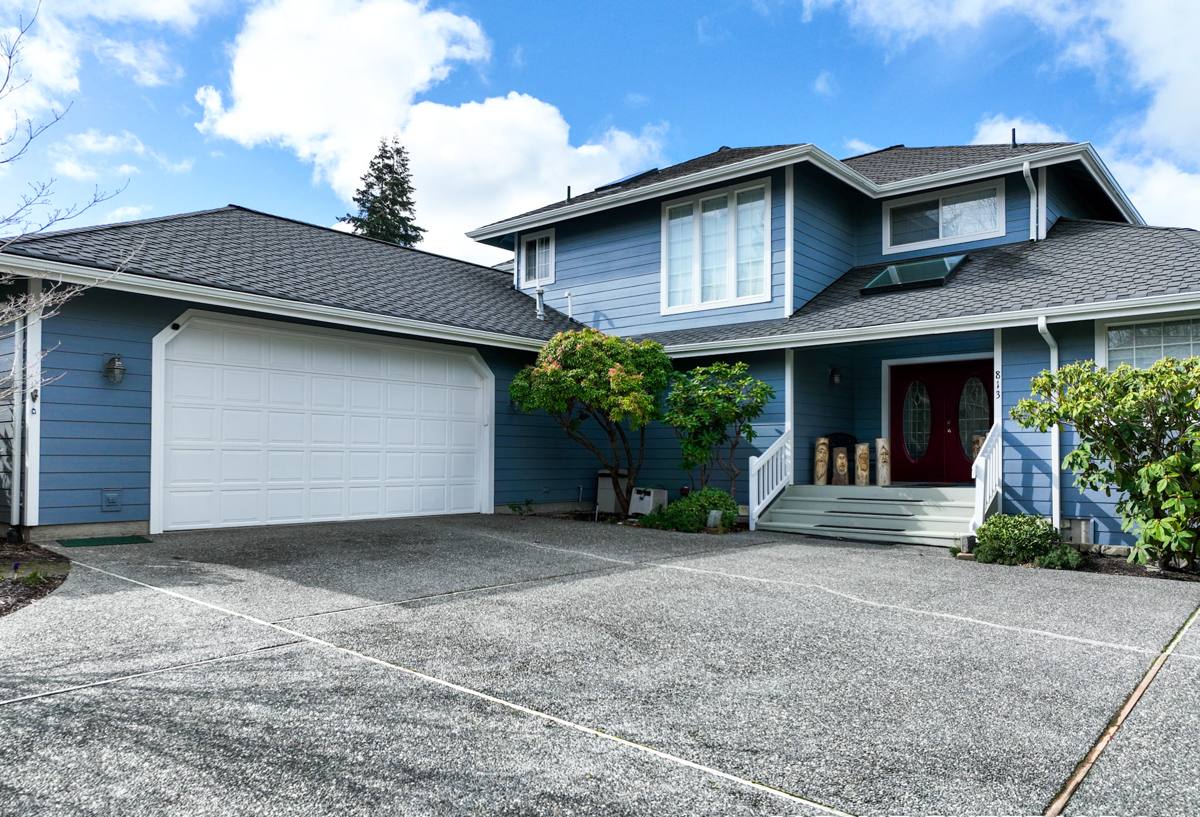
What Coastal Exposure Actually Does to a Window
Salt Air and Hardware
Salt in the air settles on window hardware, tracks, and screen frames, and it doesn't just sit there — it accelerates corrosion on anything that isn't built to resist it. Cheaper aluminum components and unprotected steel fasteners are usually the first parts to fail. Locks stick, cranks bind, and rollers seize up years before the glass itself is a problem. On a home close to the water, hardware quality matters as much as the glass package.
Wind-Driven Rain and Seals
Blaine gets weather systems that push rain horizontally, not just straight down. That kind of wind-driven rain finds any gap in flashing, caulking, or a worn weatherstrip and pushes water past it instead of letting it run off. Once water gets behind a window frame, it doesn't dry out quickly in our climate — it sits in the wall cavity and starts rot from the inside, often well before you see a stain on the interior trim.
Moss, Mildew, and Trim Rot
The long moss season that Whatcom County is known for isn't just a roof problem. The same shaded, damp conditions that grow moss on north- and west-facing roof slopes also keep window trim and sills wet longer than they should be. Wood trim that stays damp for weeks at a time is exactly what mildew and soft, rotten wood need to take hold, especially around older wood or wood-clad windows that weren't detailed with modern flashing.
Signs a Blaine Home Needs Window Replacement, Not Just Repair
Not every problem window needs a full replacement — sometimes a reglaze, new weatherstripping, or a hardware repair solves it. But certain signs point to a frame or seal system that's actually failed, and repairing those windows usually just delays the inevitable while wasting money. Watch for:
- Fogging or a visible haze between panes, which means the seal has failed and the insulating gas is gone
- Windows that feel drafty even when fully latched, especially during winter storms
- Soft, spongy, or visibly rotten wood at the sill or frame corners
- Hardware that's corroded, seized, or missing parts and can no longer be adjusted
- Visible daylight or gaps around the frame from outside
- Paint that keeps failing on the same window no matter how often it's touched up
- Noticeably higher heating bills without another clear cause
If a window is showing more than one or two of these signs, replacement is usually the more cost-effective path over the next several years, since repeated repairs on a failed frame rarely hold up for long in this climate.
What a Correct Window Replacement Involves in This Climate
Flashing and Water Management First
The window itself is only part of the job. In a climate with this much wind-driven rain, how the opening is flashed and sealed matters more than which brand of window goes in it. That means proper sill pan flashing to direct any water that does get past the window back outside, correctly lapped house wrap or building paper above and around the opening, and sealant used only where it belongs — never as a substitute for good flashing. A well-built window installed with sloppy flashing will still leak eventually, and on a home this close to the water, "eventually" tends to arrive sooner than homeowners expect.
Frame Material for Coastal Exposure
Frame material choice matters more here than it does a few miles inland. The table below covers how common options hold up under Blaine's salt air and wet winters.
| Frame Material | Coastal / Salt Air Performance | Maintenance |
|---|---|---|
| Vinyl | Doesn't corrode or absorb moisture; a solid baseline choice for most homes in this climate | Low — occasional cleaning |
| Fiberglass | Very stable through temperature swings and salt exposure; holds paint well if a color change is wanted later | Low |
| Wood-clad | Good appearance, but the exterior cladding and any exposed wood joints need consistent upkeep near the water | Moderate to high |
| Aluminum | Prone to pitting and corrosion in salt air unless it's a marine-grade or well-coated product | Moderate — watch hardware and finish closely |
Glass and Weatherstripping
For a home exposed to driving rain and coastal wind, we typically recommend dual-pane glass with a quality low-E coating and argon fill, and in some cases we'll discuss triple-pane where wind exposure or noise off the water is a real factor. Weatherstripping and locking hardware should be rated for the kind of pressure that wind-driven rain puts on a window, not just standard residential-grade parts that are built for calmer, inland conditions.
Our Process for a Blaine Window Replacement
- On-site assessment of the existing windows, framing, and any signs of water intrusion already present
- An honest recommendation on repair versus replacement, and which windows on the home actually need attention now versus later
- Measurement and material selection based on the home's specific exposure — waterfront and more sheltered lots often get different recommendations
- Removal of the old window and inspection of the framing and sheathing underneath before anything new goes in
- Repair of any rot or water damage found during removal, before the new window is installed
- Installation with proper sill pan flashing, correctly lapped weather-resistive barrier, and sealant applied per the window manufacturer's instructions
- Final check of operation, locks, and weatherproofing, along with cleanup and haul-away of the old units
We don't install over hidden rot or skip flashing steps to save time. On a home this close to the water, those shortcuts show up as a leak within a season or two, not years down the road, and fixing a leak behind finished siding costs far more than doing the flashing right the first time.
Why a Crew That Already Works in Blaine Matters
Window replacement isn't identical everywhere in Whatcom County. A crew that mostly works inland can get away with lighter flashing details and standard hardware because the exposure is milder there. On a waterfront or near-waterfront property in Blaine, those same shortcuts fail faster. Working in this area regularly means we're used to detailing for wind-driven rain, we know which frame materials actually hold up to salt air over time, and we're not learning any of that on your house at your expense.
It also means realistic expectations about scheduling. Coastal storm patterns affect when exterior work can safely happen, and a crew familiar with the area plans around that rather than getting caught mid-installation when conditions turn, which matters when an opening is temporarily open to the weather.
Cost Factors for Window Replacement in Blaine
Every home is different, and we'll give you a real number after seeing the windows in person — but these are the main factors that move the price up or down on most projects:
| Factor | Why It Affects Cost |
|---|---|
| Frame material | Vinyl is typically the most budget-friendly option; fiberglass and wood-clad cost more upfront |
| Number of windows | Per-window cost usually drops somewhat as the total count on a project goes up |
| Existing damage | Rotten framing or sheathing found during removal adds repair time before the new window can go in |
| Window size and type | Large picture windows, bays, and custom shapes cost more than standard double-hung sizes |
| Glass package | Upgrading to triple-pane or specialty coatings adds cost but can be worth it on exposed elevations |
| Access and site conditions | Second-story windows, tight lots, or difficult access add labor time |
Keeping New Windows Performing in a Salt Air Climate
A correctly installed window in Blaine should hold up for decades, but a little upkeep goes a long way given the exposure. Rinse salt residue off frames and hardware periodically, especially after storms, keep weep holes and drainage tracks clear of debris so water can actually drain instead of pooling, and keep an eye on caulking around the frame perimeter since it's the first line of defense against wind-driven rain finding a gap. Catching a small issue early is a lot cheaper than dealing with hidden water damage behind the wall later.
If you're not sure whether your current windows are worth repairing or replacing, we're happy to take a look and give you an honest answer either way. Reach out for a free, no-pressure estimate using the form below, and we'll walk the property with Blaine's climate in mind, not a generic checklist built for somewhere drier and calmer.