 Ferndale Roofing
 Building a Deck That Actually Holds Up in Blaine
Blaine sits close enough to the water that homes here deal with a different set of pressures than a deck built twenty miles inland. Salt-laden air moves in off the bay, wind-driven rain hits at angles that regular roof and siding details don't always account for, and the shoulder seasons bring long stretches of damp, shaded weather that keeps wood and composite surfaces wet far longer than homeowners expect. A deck that's framed, fastened, and finished for a dry-side Washington town won't perform the same way here. We build decks in Blaine the way this specific climate demands, not the way a generic build sheet says to.
This page is about one thing: custom deck construction for Blaine homeowners, and what it actually takes to get a deck that still looks and feels solid ten or fifteen years from now instead of five.
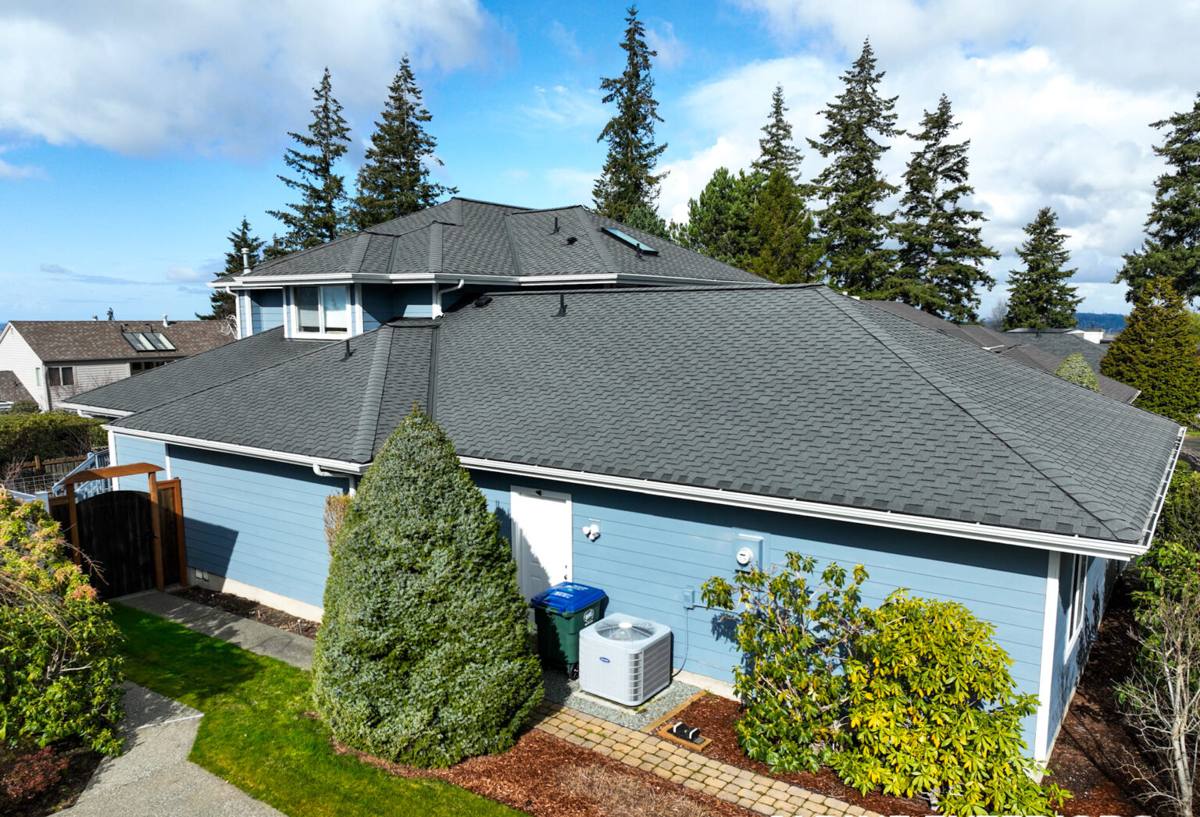
What Salt Air, Rain, and Moss Season Actually Do to a Deck
Salt Air and Corrosion
Coastal air carries fine salt particles that settle on any exposed metal. Over time, that accelerates corrosion on fasteners, brackets, and railing hardware that isn't rated for it. The failure is usually invisible until it isn't — a screw head that shears off, a joist hanger that's lost its holding strength, a post base that's rusted through where you can't see it. It's rarely dramatic. It's slow, and it happens underneath the decking boards where nobody's looking.
Driving Rain and Water Intrusion
Rain that comes in sideways off the water finds every gap a calm-weather rain would never reach — behind ledger boards, into end-grain cuts, around post connections that weren't flashed. Once water gets into a connection point and can't dry out between storms, rot and hardware failure follow. This is the single biggest reason decks fail early in this part of Whatcom County, and it's almost always a flashing or detailing issue, not a material choice.
Moss, Algae, and Extended Damp Periods
Blaine gets long stretches of overcast, damp weather, especially on decks that sit in shade from mature trees or the house itself. Moss and algae take hold on any surface that stays wet, and beyond looking bad, they hold moisture against the decking and turn boards slick and dangerous underfoot. A deck design that ignores drainage and airflow is signing up for a moss problem from year one.
Decking Material Options for a Coastal Blaine Property
There's no single "right" material for every home — it depends on budget, how much upkeep you want to do, and how exposed the deck is to weather. Here's how the common options actually compare for a Blaine setting specifically.
| Material | Coastal Performance | Maintenance | Typical Cost Range |
|---|---|---|---|
| Pressure-treated wood | Good if detailed and sealed correctly; vulnerable at cut ends and fastener points if not properly treated after cutting | Annual cleaning and re-sealing recommended | Lowest upfront cost |
| Cedar | Naturally rot- and insect-resistant, but softer and more sensitive to standing moisture without good drainage | Periodic oiling/staining to prevent graying and checking | Mid-range |
| Composite decking | Handles moisture and salt exposure very well; won't rot, but can develop mold film in shaded, damp spots without airflow beneath | Low — occasional washing | Mid to upper range |
| PVC/capped polymer | Best moisture and salt resistance of the group; fully sealed surface resists staining and mildew growth | Lowest — soap and water | Highest upfront cost |
For homes with heavy salt exposure or a lot of shade, we generally steer clients toward composite or capped polymer decking, not because wood is a bad product, but because the maintenance schedule needed to keep real wood performing well in this environment is more demanding than most homeowners want to commit to. If you love the look and feel of real wood and are willing to stay on top of sealing, we'll build it right and tell you honestly what upkeep it needs.
Framing and Structure: Where Most Deck Problems Actually Start
The decking boards get all the attention, but the framing underneath is what determines whether a deck lasts. This is also where corner-cutting is hardest to spot after the fact — and easiest to get away with, until something fails.
Ledger Attachment and Flashing
The ledger board — where the deck attaches to the house — is the single most common point of water intrusion and structural failure on any deck, anywhere. In a driving-rain environment like Blaine, proper ledger flashing isn't optional. We flash it to shed water away from the house structure, not just seal it with caulk that will eventually fail.
Footings and Post Bases
Footings need to be sized and set below frost depth per current code, and post bases need to keep the post end grain up off the concrete and standing water. A post sitting directly on a footing without an elevated base is a rot problem waiting to happen, especially with our wet winters.
Joist Hardware
Every hanger, bracket, and structural screw on a coastal deck should be rated for the corrosive environment it's going into — not just standard galvanized, but hardware and fasteners specified for high-moisture, coastal-adjacent use. This is a small cost difference at build time and a major difference in how the frame holds up over the following decade.
Railings, Fasteners, and Hardware Choices
Railing systems and fasteners are where a lot of decks show their age first, because they're exposed to weather on all sides with nothing else to shield them. We match hardware grade to exposure level:
- Structural fasteners rated for coastal/high-moisture exposure, not standard interior-grade hardware
- Railing post connections that are mechanically fastened and flashed, not just caulked
- Cable, aluminum, or composite railing systems where salt exposure is heavy, since they shrug off corrosion better than lower-grade steel components
- Stainless or coated fasteners on any board attached over a walking surface, so you're not looking at rust streaks in year two
Our Deck-Building Process
Every deck we build in Blaine goes through the same process, adjusted for the specific site conditions of your property:
- Site walk and design conversation. We look at sun exposure, wind direction, shade patterns, drainage, and how the deck will actually be used before drawing anything up.
- Material selection based on your priorities. We'll lay out the honest trade-offs between wood, composite, and polymer decking for your specific site and budget — no upselling toward whatever has the best margin.
- Permitting. Most new decks and significant rebuilds require a permit through the local jurisdiction. We handle that process so you're not stuck figuring out code requirements yourself.
- Framing built for the exposure. Footings, ledger flashing, joist hardware, and post connections all specified for coastal conditions, not a generic inland build.
- Decking, railing, and finish work. Installed with attention to fastener spacing, board gapping for drainage and expansion, and clean, consistent railing lines.
- Final walkthrough. We go over the finished deck with you, including what maintenance it needs and on what schedule, before we consider the job done.
Maintenance: What Actually Keeps a Blaine Deck Looking Good
A deck built correctly still needs some seasonal attention in this climate. Here's the realistic checklist we give clients, regardless of which material they choose:
- Rinse or sweep off salt residue and debris after storms, especially on hardware and railing connections
- Clean moss and algae off the surface as soon as it appears — don't let it build up over a full wet season
- Check and clear drainage gaps between boards so water isn't pooling
- Inspect fastener heads and railing connections once a year for early corrosion signs
- Re-seal or re-stain wood decking on the schedule appropriate to the product — don't wait until it's visibly gray and dry
- Trim back overhanging vegetation that's keeping sections of the deck shaded and damp
Why It Matters That We Already Work in Blaine
A crew that mostly works drier, more inland parts of the county can build a technically fine deck that's still wrong for a property exposed to Blaine's wind and salt air. Knowing which fastener grade to spec, how much flashing detail a ledger actually needs at this exposure level, and which materials hold up versus which ones just look fine on day one — that comes from building here repeatedly, not from a general specification sheet. As a Whatcom County contractor that works across this climate regularly, we build decks assuming the salt air, the rain angle, and the moss season are permanent conditions to design around, not exceptions.
Getting Started
If you're planning a new deck or replacing one that hasn't held up the way it should have, we're happy to take a look and give you a straightforward read on what your property needs. Reach out for a free, no-pressure estimate using the form below — we'll walk the site, talk through material and design options, and give you a clear picture of what the job actually involves before you commit to anything.