 Ferndale Roofing
 Window Installation Built for Sumas Weather
Sumas sits in a corner of Whatcom County where the weather doesn't do things halfway. Homes here take on driving rain off the marine air, long stretches of damp, moss-friendly overcast, and enough freeze-thaw swing in winter to punish anything that wasn't sealed correctly the first time. Windows are one of the few parts of a house where a small installation mistake — a missed flashing lap, a gap in the sill pan, caulk used in place of proper flashing — turns into a slow, expensive problem you don't see until there's already rot in the framing around it.
We install windows the way this climate demands: correct flashing sequence, proper drainage at the sill, and materials chosen for how they'll actually hold up here, not just how they look on install day. This page covers what Sumas homeowners should know before replacing windows, what a correct installation involves, and how our process works from estimate to final walkthrough.
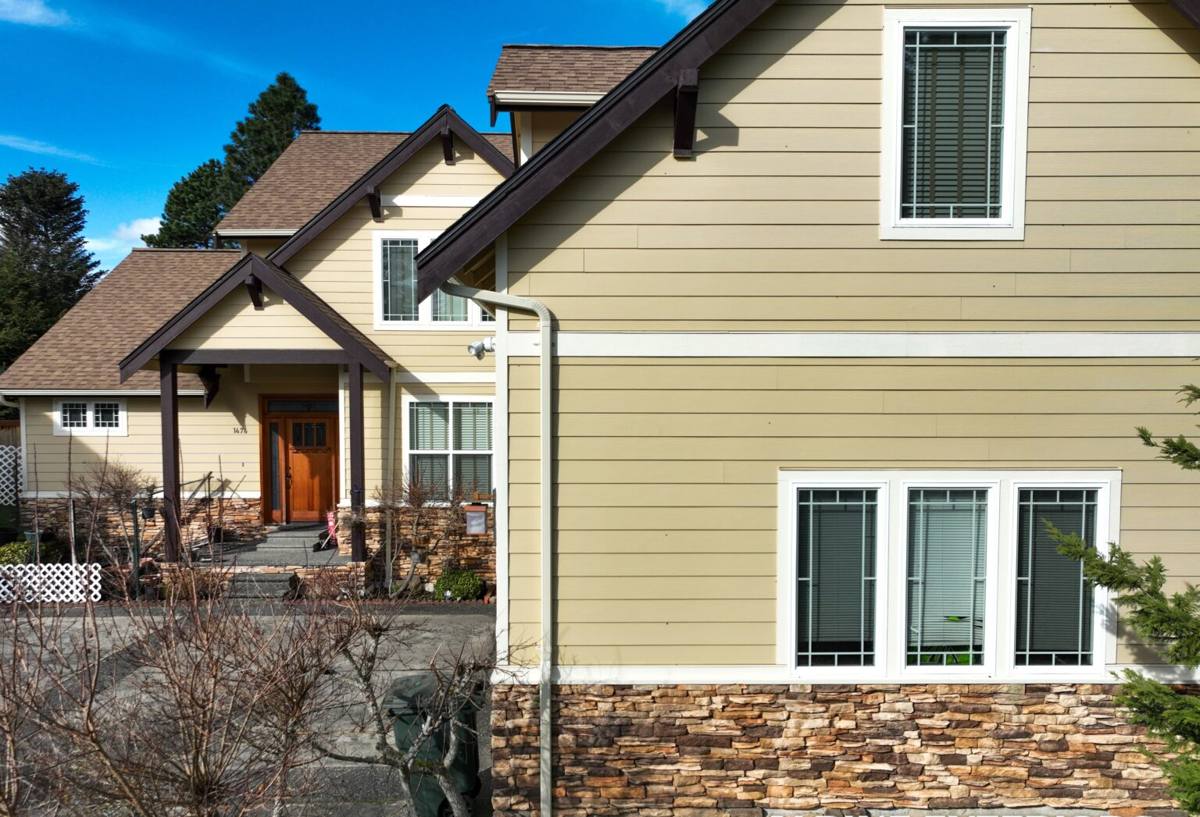
What Whatcom County Climate Does to Windows Over Time
Window failure in this region rarely happens all at once. It's cumulative — the same wet cycle repeating for years until something gives.
Driving Rain and Wind-Driven Moisture
Sumas gets weather systems that push rain sideways, not just straight down. That matters for windows because wind-driven rain finds any weak point in the flashing or seal and pushes water in, rather than letting gravity carry it harmlessly down the siding. A window that would be fine in a calmer climate can leak here if the flashing details weren't done right.
Long Moss and Damp Season
The stretch of low sun, high humidity, and minimal drying time between rain events is what we mean by "moss season" — and it's not just a roof problem. Moisture sits longer around window trim, sills, and lower corners than it would in a drier climate, which is exactly where wood trim, poor-quality caulk, and marginal flashing details start to fail first.
Temperature Swings and Seal Fatigue
Whatcom County isn't extreme cold, but the freeze-thaw cycling that does happen stresses window seals, glazing compounds, and expansion joints over years. Older single-pane or early double-pane units, and any window installed with insufficient allowance for expansion, tend to show it first as fogging, drafts, or sticking sashes.
Signs a Sumas Home Needs Window Replacement or Reinstallation
- Fogging or moisture trapped between panes — the seal has failed and the insulating gas is gone
- Soft or discolored trim or drywall around the window frame, especially at the bottom corners
- Visible daylight or a noticeable draft when standing next to a closed window
- Windows that are hard to open, close, or lock, or that don't sit flush in the frame anymore
- Paint or caulk failing repeatedly in the same spot no matter how often it's redone
- A musty smell near windows after a rainy stretch, which often points to moisture behind the trim rather than on top of it
- Noticeably higher heating bills with no other explanation
Any one of these can be minor. Two or three together, especially on a window facing the prevailing weather, usually means the installation — not just the window unit — needs attention.
What a Correct Window Installation Actually Involves
The window itself is often the easy part. What separates a window that lasts twenty-plus years from one that leaks in five is everything around it.
Sill Pan and Drainage
Every window opening needs a way for any water that does get past the exterior seal to drain back out instead of sitting on the framing. A sloped sill pan flashing under the window, extending past the rough opening, is standard practice — not an upgrade.
Flashing Sequence
Flashing has to be layered correctly — sill, jambs, then head — so that water sheds downward and outward at every layer, the same way shingles or siding overlap. Reversing that order, or relying on caulk to bridge a gap instead of proper flashing, is the single most common cause of hidden water damage we find behind older windows.
Air and Water Barrier Continuity
The house wrap or weather-resistive barrier around the opening needs to tie into the window flashing without gaps. A window can be perfectly sealed on its own and still leak if the barrier around it isn't integrated properly.
Shimming and Fastening
A window that isn't shimmed level and square will bind, won't seal evenly against its own weatherstripping, and will stress the frame over time. Fasteners go where the manufacturer specifies — not just wherever is convenient.
Interior and Exterior Sealing
Low-expansion foam or appropriate insulation around the frame, plus correctly placed exterior sealant as a backup — not a substitute — for the flashing. Sealant is the last line of defense, never the first.
Window Materials: What Holds Up in This Climate
Material choice matters as much as installation quality. Here's how the common options compare for a marine, wet-winter climate like Whatcom County's.
| Frame Material | Moisture Behavior | Maintenance | Typical Lifespan |
|---|---|---|---|
| Vinyl | Doesn't rot or absorb water; performs well in wet climates | Low — occasional cleaning | 20-30 years |
| Fiberglass | Excellent moisture and temperature stability; minimal expansion/contraction | Low | 30-40+ years |
| Wood (uncladded) | Attractive but vulnerable to prolonged damp exposure without diligent upkeep | High — regular painting/sealing | Varies widely with maintenance |
| Wood-clad (vinyl or aluminum exterior) | Exterior is protected; interior keeps a wood look | Moderate | 25-35 years |
| Aluminum | Durable but conducts cold, prone to condensation without thermal breaks | Low | 20-30 years |
We don't push a single brand or material on every job. Our default recommendation for most Sumas homes leans toward vinyl or fiberglass because they tolerate this climate's moisture cycle with the least long-term maintenance, but the right choice depends on your home's style, budget, and how much upkeep you're willing to commit to. If you want the look of wood, cladding gets you most of the aesthetic without the exposed-wood maintenance burden.
Our Window Installation Process
- On-site assessment. We look at existing windows, framing condition, and any signs of past moisture intrusion before quoting anything.
- Material and style selection. We walk through frame material, glazing options, and grille/style choices that fit your home.
- Written estimate. Clear pricing, timeline, and scope — no vague allowances.
- Removal and opening inspection. Old windows come out carefully so we can check the framing, sheathing, and existing flashing for hidden rot before anything new goes in.
- Repair as needed. Any damaged framing or sheathing gets fixed before the new window goes in — installing a new window over a compromised opening just hides the problem.
- Flashing and installation. Sill pan, jamb and head flashing, correct shimming, and manufacturer-specified fastening.
- Sealing and finish work. Interior insulation, exterior sealant, and trim finished to match the home.
- Final walkthrough. We test operation, check the seal, and walk you through anything you should know about the new windows.
Cost Factors for Window Replacement
Every home is different, but the main variables that move the price are consistent:
| Factor | Why It Matters |
|---|---|
| Frame material | Vinyl and aluminum generally cost less than fiberglass or wood-clad |
| Number and size of openings | Larger and more numerous windows increase material and labor |
| Existing damage | Rotted framing or sheathing found during removal adds repair scope |
| Installation type | Full-frame replacement (down to the studs) costs more than insert replacement into a sound existing frame |
| Access and site conditions | Second-story or hard-to-reach windows take longer to install safely |
We give a firm written estimate after seeing the actual openings — not a phone-quote guess — because hidden framing condition is the single biggest variable in what a job actually costs.
Choosing a Window Installer in Sumas
Window installation is easy to do adequately and hard to do correctly. A window that looks fine on install day can still leak within a couple of wet seasons if the flashing details were skipped. Before hiring anyone, it's worth checking a few basics.
- Ask specifically how they handle sill pan flashing and drainage — a vague answer is a red flag
- Confirm they carry current licensing and insurance, and are willing to provide proof
- Ask what happens if they find rot or damage once the old window is out
- Get the manufacturer warranty terms in writing, and understand what's covered by the installer versus the manufacturer
- Ask how they've handled installations in wind-driven rain conditions specifically, not just general window experience
A crew that already works this part of Whatcom County has seen how these homes age in this specific weather — which openings tend to take the worst of the wind-driven rain, how moss and damp affect trim over time, and what framing condition typically looks like in homes of a given age. That local pattern recognition is worth more than a generic installation checklist.
Why Local Experience Matters for Sumas Homes
A window installed correctly in a dry climate can still fail here if the crew doesn't build in the extra margin this weather requires. We work in Whatcom County year-round, which means we're not guessing at how a given detail will hold up through a full wet season — we've already seen it. That shows up in small decisions: how far the sill pan extends, how much overlap the flashing gets on the windward side of a house, and which trim details are worth the extra step versus which are cosmetic.
If your Sumas home has windows showing any of the signs above, or you're planning ahead for a remodel, we're happy to take a look and give you an honest read on what's needed — no pressure, no upsell. Reach out for a free estimate using the form below.