 Ferndale Roofing
 Siding Built for What Sumas Weather Actually Does
Homes in and around Sumas take a steady beating from Whatcom County weather. Moist marine air works its way inland off the Salish Sea, driving rain comes in sideways during fall and winter storms, and a long, damp moss season keeps north-facing walls and shaded siding wet for weeks at a time. None of this is dramatic on any single day. It's the accumulation — season after season — that wears down siding that wasn't built to handle it.
That combination of salt-laden air, wind-driven moisture, and prolonged dampness is exactly the environment where the wrong siding choice shows its weaknesses. Paint fails early. Seams open up. Moisture gets behind panels and stays there instead of drying out between storms. If you're looking at siding replacement for a home in the Sumas area, the climate should be the starting point for every decision you make, not an afterthought.
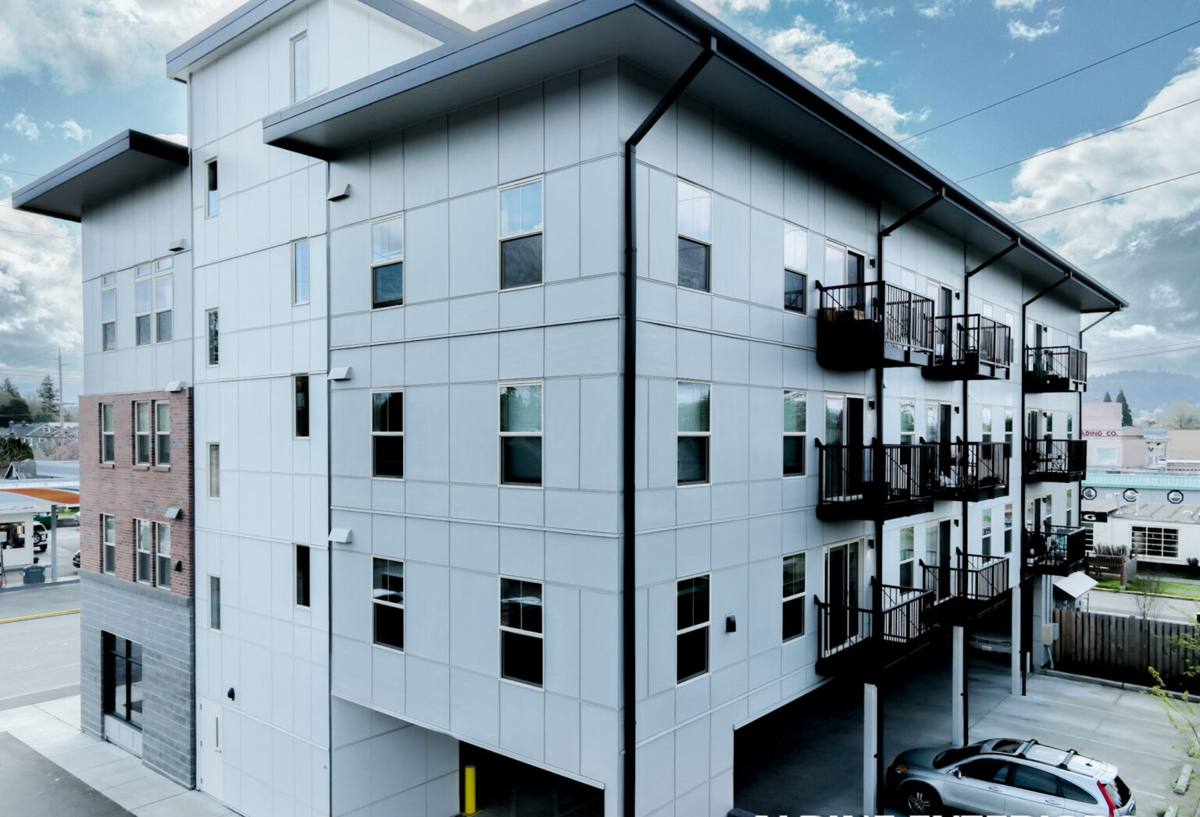
What Driving Rain and Moss Season Do to Siding Over Time
Driving rain doesn't just wet the surface of your siding — wind pressure pushes water up and under laps, into fastener holes, and into any gap where caulking has shrunk or cracked. Over years, that moisture intrusion is what causes rot, swelling, and delamination in siding materials that aren't dimensionally stable or that rely heavily on paint film to keep water out.
Moss and algae are a separate but related problem. Whatcom County's damp, shaded conditions are close to ideal for moss growth on siding, trim, and roofing. Moss holds moisture directly against the siding surface for extended periods, which accelerates whatever degradation process is already underway — whether that's wood rot, paint failure, or substrate breakdown. Salt air adds a third layer: it accelerates corrosion of fasteners and metal trim, and it can affect how some coatings hold up over time.
The homes that hold up best in this climate are the ones sided with a material that's dimensionally stable when wet, resistant to moisture absorption at the substrate level, and finished with a coating designed to hold color and integrity through repeated wet-dry cycles — not just look good on install day.
Common Damage We See on Older Siding in This Area
- Soft or spongy panels near the bottom courses, where splashback and standing moisture concentrate
- Moss and dark staining on north- and west-facing walls that stay shaded most of the day
- Paint peeling or chalking years ahead of schedule, especially on sun-exposed south walls
- Cupped, warped, or separated panel seams where caulking has failed
- Rust streaking from corroding fasteners or metal trim pieces
- Soft trim boards or corner boards where end grain has absorbed water
Signs Your Sumas Home's Siding Needs Replacing
Siding rarely fails all at once. It's usually a combination of smaller issues that add up to a replacement decision. Before you commit to a full replacement — or decide to patch and wait — it helps to know what's actually going on behind the surface.
- Visible warping, buckling, or panels that no longer sit flat against the wall
- Persistent moss or algae growth that comes back within months of cleaning
- Soft spots you can press in with a thumb, especially near the ground or under windows
- Interior signs like peeling wallpaper, musty smells, or damp drywall on exterior walls
- Paint that needs repainting every few years just to keep up appearances
- Visible gaps, cracks, or missing caulk at seams, corners, and trim joints
- Siding that's original to a home built more than 20-25 years ago, regardless of visible condition
If you're seeing two or more of these, it's worth having someone look at the whole wall assembly, not just the siding surface — because by the time siding shows damage, the sheathing behind it has often been wet for a while.
Why We Install Only James Hardie Fiber Cement Siding
We made a deliberate decision to install one siding system across every job we take on: James Hardie fiber cement. We don't offer vinyl, LP SmartSide, Cemplank, Allura, primed spruce, or cedar as options — not because those products don't have their place in the industry, but because after years of doing exterior work in this climate, we don't think they hold up the way a Sumas homeowner needs them to over the long run.
Fiber cement is made from cement, sand, and cellulose fibers. It doesn't absorb water the way wood-based products do, and it doesn't soften, swell, or rot when it stays wet for extended periods — which matters a great deal during a Whatcom County moss season. It's also non-combustible, which is a genuine safety advantage that engineered wood and vinyl products can't match.
James Hardie's ColorPlus finish is baked on at the factory under controlled conditions, rather than field-applied. That process gives it better fade and wear resistance than most site-applied paint jobs, which matters directly here — sun-exposed walls in this region take real UV load in summer, and shaded walls take moisture load the rest of the year. Hardie also builds region-specific product lines (their HZ5 line, for example) engineered around moisture and climate conditions like ours, rather than a single one-size-fits-all panel.
Backing all of that is a manufacturer warranty that's transferable to a new owner if you sell the home — a real factor if resale is ever on your mind, since prospective buyers in this area increasingly ask what the siding is and how it's held up.
What We Won't Tell You
We're not going to claim other siding products are junk — that's not accurate and it's not our place. Vinyl is inexpensive and low-maintenance in mild climates. Engineered wood products can look good and install quickly. What we will say is that after weighing moisture behavior, maintenance burden, fire resistance, and long-term appearance against what this climate does to a house, fiber cement is what we're willing to put our name on. That's a professional standard, not a marketing line.
What a Correct Siding Replacement Job Actually Involves
Siding replacement is not just removing old panels and nailing up new ones. Done correctly, it's an opportunity to fix the moisture management of the entire wall assembly — which is the part that actually determines how long the new siding lasts.
| Step | Why It Matters in This Climate |
|---|---|
| Full removal of old siding and trim | Lets us see the sheathing condition directly instead of guessing what's hidden |
| Sheathing inspection and repair | Rotted or delaminated sheathing from years of driving rain must be replaced before new siding goes on, or the problem just gets covered up again |
| Weather-resistive barrier installation | A properly lapped and sealed house wrap is the real first line of defense against wind-driven rain |
| Rainscreen or drainage gap where appropriate | Gives incidental moisture behind the siding a path to drain and dry instead of sitting against the wall |
| Correct flashing at windows, doors, and penetrations | Most moisture intrusion actually starts at these transition points, not the flat wall field |
| James Hardie panel or plank installation to manufacturer spec | Proper fastener placement, clearances, and joint treatment are what the Hardie warranty is contingent on |
| Caulking and paint touch-up at cut edges | Factory-finished ColorPlus edges need field sealing at cuts to maintain full moisture protection |
Skipping steps in the middle of that list is the single most common reason a siding job that looks fine on installation day fails early. The siding itself is only as good as what's underneath it.
Our Siding Replacement Process, Start to Finish
- On-site assessment. We look at your current siding, trim, and any visible moisture damage, and talk through what we're seeing and why.
- Detailed estimate. You get a clear breakdown of scope — removal, sheathing repair allowances, moisture barrier, and the Hardie product line and color being proposed.
- Scheduling around weather windows. In this climate, timing matters. We plan installation to minimize the number of days the wall assembly is open to the elements.
- Tear-off and inspection. Old siding comes off, and we inspect and document sheathing condition before covering anything back up.
- Repair and weatherproofing. Any compromised sheathing gets replaced, and the weather-resistive barrier and flashing details go in correctly the first time.
- Hardie installation to spec. Panels and trim go up following manufacturer installation requirements, which is also what keeps the warranty valid.
- Final walkthrough. We go over the finished work with you before we consider the job done.
Why Hiring a Crew That Already Works in Sumas Matters
A crew that regularly works Whatcom County homes has already seen how driving rain, salt air, and moss season play out on real houses over years — not just in a training manual. That experience shows up in small decisions: where to add extra flashing attention, which walls tend to hold moss and need a drainage gap, how much clearance to leave at grade given how wet the ground stays here.
It also matters for something more practical: accountability. A local contractor is still around next year and the year after — for warranty follow-up, questions, or a small adjustment after the first real winter storm tests the new siding. That's harder to get from a crew that's just passing through the area for one job.
Cost Factors for Sumas Siding Replacement
Every home is different, and we don't publish blanket per-square-foot prices because siding scope depends heavily on what we find once tear-off starts. The factors below are the ones that actually move a bid up or down.
| Factor | How It Affects Scope |
|---|---|
| Sheathing condition | Hidden rot found during tear-off adds repair scope that can't always be predicted in advance |
| Home size and wall complexity | More corners, dormers, and trim details mean more labor and material cuts |
| Siding profile chosen | Lap siding, panel systems, and shingle-style Hardie products differ in material and install time |
| Trim and accessory scope | Fascia, soffit, and window trim replacement alongside siding adds cost but keeps the whole exterior consistent |
| Access and site conditions | Grading, landscaping, and second-story access affect staging and labor time |
An accurate number only comes from an on-site look at your home — anything else is a guess.
Ready to Talk About Your Sumas Home's Siding?
If your siding is showing its age, growing moss it didn't used to, or you're just planning ahead before the next round of driving rain finds its way in, we're happy to take a look. We'll give you a straightforward assessment of what's going on and a free, no-pressure estimate for James Hardie siding replacement built for what this climate actually does to a house. Use the form below to get started.