 Ferndale Roofing
 New Roofs Built for Sudden Valley's Weather, Not Just Any Roof
Sudden Valley sits close enough to the water and the tree line that its roofs take a different kind of beating than a roof three miles inland. Homes here deal with salt-laden air off the Strait, driving rain that comes in sideways during winter storms, and long stretches of shade and dampness that keep moss and moisture active for most of the year. A new roof installed without those conditions in mind will look fine for a season or two and then start showing problems early — lifted shingles, streaking, soft spots at the edges, moss creeping under the tab lines. A roof installed correctly for this specific environment holds up the way it's supposed to.
We install new roofs throughout Ferndale and Whatcom County, and Sudden Valley is one of the areas we work in regularly. That matters more than it might sound like — knowing how a particular neighborhood's tree cover, wind exposure, and moisture pattern behave changes decisions we make on material choice, ventilation, and flashing detail before a single shingle goes down.
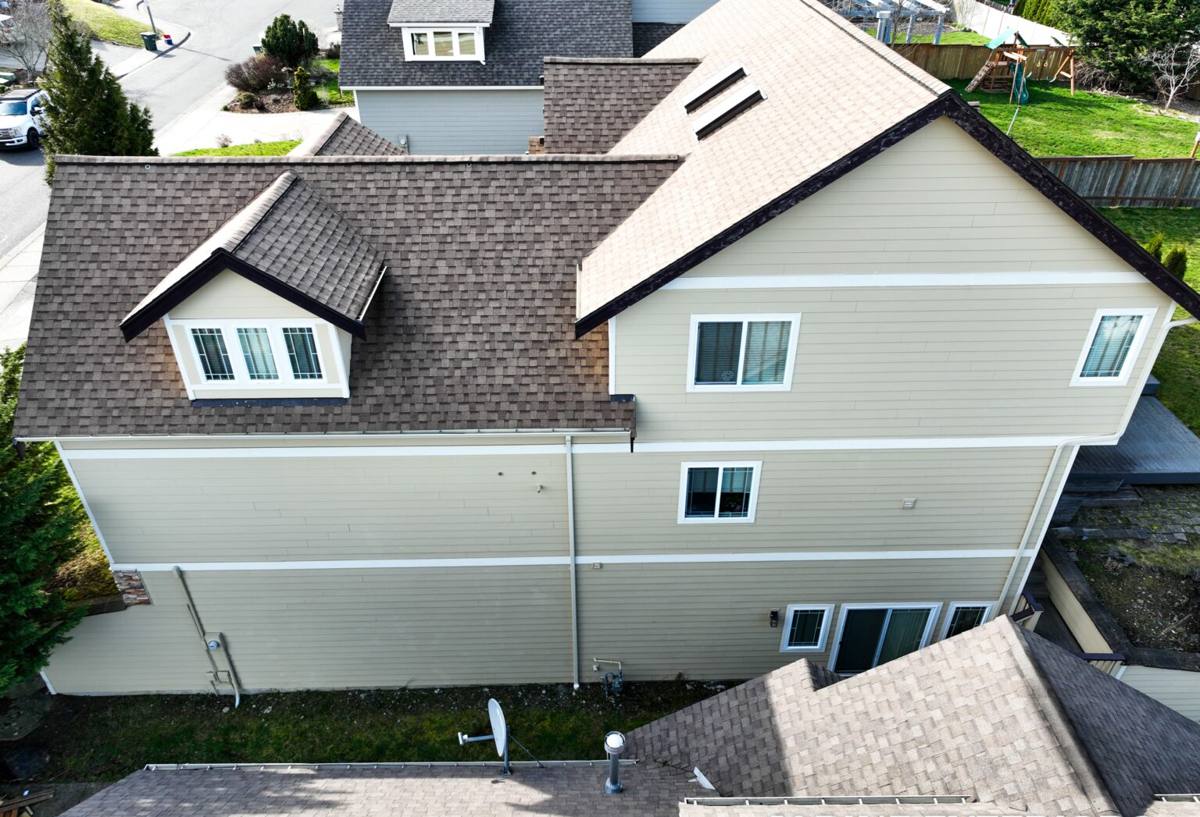
What Sudden Valley's Climate Actually Does to a Roof
Salt Air and Metal Components
Proximity to the water means airborne salt settles on every exterior surface, including roofing. Over years, salt exposure accelerates corrosion on unprotected or poorly coated metal — flashing, fasteners, vent caps, and gutter hardware. It doesn't ruin a roof outright, but it shortens the life of the metal parts that keep water out at the seams, which is exactly where leaks start.
Driving Rain and Wind-Driven Water
Storms coming off the water don't just drop rain straight down — they push it sideways, up under laps, and into any gap that a calmer climate roof could get away with. Underlayment coverage, proper shingle overlap, and sealed penetrations matter more here than in drier, calmer parts of the state.
Moss, Shade, and Prolonged Dampness
Sudden Valley's tree cover keeps a lot of roof surface shaded through the day, which means slower drying after rain. Combined with the region's long wet season, that's ideal growing conditions for moss and algae. Moss holds moisture against the roofing material, works its way under shingle edges, and lifts them over time — which is one of the most common causes of early leaks we see on roofs that weren't built with airflow and drainage in mind.
What a Correctly Installed New Roof Includes
A new roof is more than laying shingles over the old deck. Done right, it's a system — deck, underlayment, flashing, ventilation, and the roofing material itself all working together. Skipping or shortcutting any one piece is where most premature failures start.
- Full tear-off and inspection of the existing deck — soft, rotted, or delaminated sheathing gets replaced, not covered over
- Ice-and-water shield or high-quality synthetic underlayment at eaves, valleys, and other vulnerable areas where wind-driven rain concentrates
- Corrosion-resistant flashing and fasteners, chosen with the area's salt air in mind
- Balanced intake and exhaust ventilation, so the attic and roof deck can actually dry out between wet stretches
- Proper valley, pipe boot, and chimney/wall flashing detail — the spots where the vast majority of leaks originate
- A roofing material and installation pattern matched to wind exposure and moss risk, not just the cheapest option per square
Choosing the Right Roofing Material for This Area
There isn't one "best" roofing material for every home — it depends on your roof's pitch, sun exposure, budget, and how much maintenance you want to keep up with. Here's how the common options stack up for a moss-prone, salt-air, high-rainfall environment like Sudden Valley.
| Material | Moss/Moisture Resistance | Salt Air Durability | Typical Lifespan | Maintenance Needs |
|---|---|---|---|---|
| Architectural asphalt shingle | Good with proper ventilation; moss-resistant granule options available | Good — minimal exposed metal | 25–30 years | Periodic moss treatment on shaded slopes |
| Standing seam metal | Excellent — sheds water and dries fast | Good to excellent with marine-grade coatings and fasteners | 40–50+ years | Low; occasional fastener/sealant checks |
| 3-tab asphalt shingle | Fair — more prone to moss lift over time | Fair — depends on flashing quality | 15–20 years | More frequent moss and edge checks |
| Wood shake | Poor in shaded, damp areas without diligent upkeep | Fair | 20–30 years with upkeep | High — regular treatment and inspection |
For most Sudden Valley homes, we lean toward architectural asphalt shingles with algae-resistant granules or standing seam metal, depending on the roof's pitch and how much direct sun it gets. Wood shake can look great, but in a shaded, damp setting it demands more upkeep than most homeowners want to commit to — that's a maintenance trade-off worth being upfront about before you commit.
Ventilation and Drainage: The Part That Gets Skipped
A lot of roofs fail early not because the shingles were bad, but because the roof couldn't breathe or drain properly. In a wet, shaded neighborhood, this is where we spend extra attention:
- Intake ventilation at the eaves so air can actually enter the attic space, not just exit at the ridge
- Ridge or exhaust venting sized correctly for the attic volume — undersized venting traps moisture even on a brand-new roof
- Valley design that moves water off the roof quickly instead of letting it pool or slow down where debris and moss can collect
- Gutter and downspout condition — not part of the roof itself, but a roof draining into clogged or undersized gutters backs water up under the shingle edge
None of this is optional in an area with this much sustained moisture. It's the difference between a roof that sheds water fast and dries out, and one that stays damp long enough for moss and rot to take hold.
Our Installation Process
1. On-Site Inspection and Estimate
We walk the roof, check the deck condition from the attic side where possible, look at ventilation, and assess how much sun and shade different slopes get. That tells us what material and detailing makes sense for your specific roof, not a generic recommendation.
2. Material Selection and Scheduling
We go over the trade-offs honestly — cost, lifespan, moss resistance, appearance — and schedule the work around Whatcom County's weather windows. We don't install underlayment or shingles in conditions that compromise the seal.
3. Tear-Off and Deck Repair
Old roofing comes off completely. Any soft, rotted, or water-damaged decking gets replaced before anything new goes down — installing new roofing over a compromised deck just hides the problem.
4. Underlayment, Flashing, and Roofing Installation
We install underlayment and flashing sized for this climate's rain and wind exposure, then the roofing material itself, following manufacturer specifications for nailing pattern and exposure — details that directly affect wind and warranty performance.
5. Final Walkthrough
We walk the finished roof with you, confirm ventilation and drainage are working as intended, and go over care going forward, including moss prevention.
Why Hire a Crew That Already Works in Sudden Valley
A roofing crew based elsewhere in the county can still do competent work, but a crew that already services Sudden Valley regularly has seen how its specific mix of tree cover, moisture, and salt exposure plays out over years, not just at installation. That shows up in small decisions — where extra underlayment coverage matters most, which fastener and flashing materials hold up here, how ventilation should be balanced for a shaded lot versus an open one. It also means faster response if you ever need a warranty check or a minor repair, since we're not driving in from outside the area.
What to Check Before You Hire Anyone for a New Roof
- Washington state contractor license and current insurance, verifiable, not just claimed
- A written estimate that specifies underlayment type, flashing materials, and ventilation plan — not just "shingles and labor"
- Manufacturer certification for the specific product line being installed, if warranty coverage matters to you
- A clear tear-off and deck-inspection process, not "install over existing roof" as the default
- Local references or work you can actually go look at in the area
Get an Honest Look at Your Roof
If your roof in Sudden Valley is aging, showing moss, or just due for a straightforward assessment, we're happy to take a look and give you a clear picture of where it stands. There's no pressure and no obligation — just an honest read on what your roof needs and what a correctly installed replacement would involve. Use the form below to request a free estimate.