 Ferndale Roofing
 Windows Built for the Sudden Valley Climate
Sudden Valley sits in a part of Whatcom County where the weather doesn't do anything halfway. Homes here deal with salt-tinged air moving in off the water, long stretches of driving rain, and a moss season that seems to start earlier and run later every year. That combination is hard on windows in ways that homeowners in drier climates never have to think about. Frame corners stay damp longer, west- and north-facing glass takes the brunt of wind-driven rain, and anything shaded by trees or a hillside collects moisture that just doesn't evaporate quickly.
We install custom windows for homes throughout the Ferndale and greater Whatcom County area, and Sudden Valley's mix of wooded lots, lake-influenced humidity, and older housing stock makes window selection and installation quality matter more here than in a lot of neighborhoods. A window that's rated fine on paper can still fail early if it's the wrong product for this kind of exposure, or if it's installed without real attention to flashing and drainage.
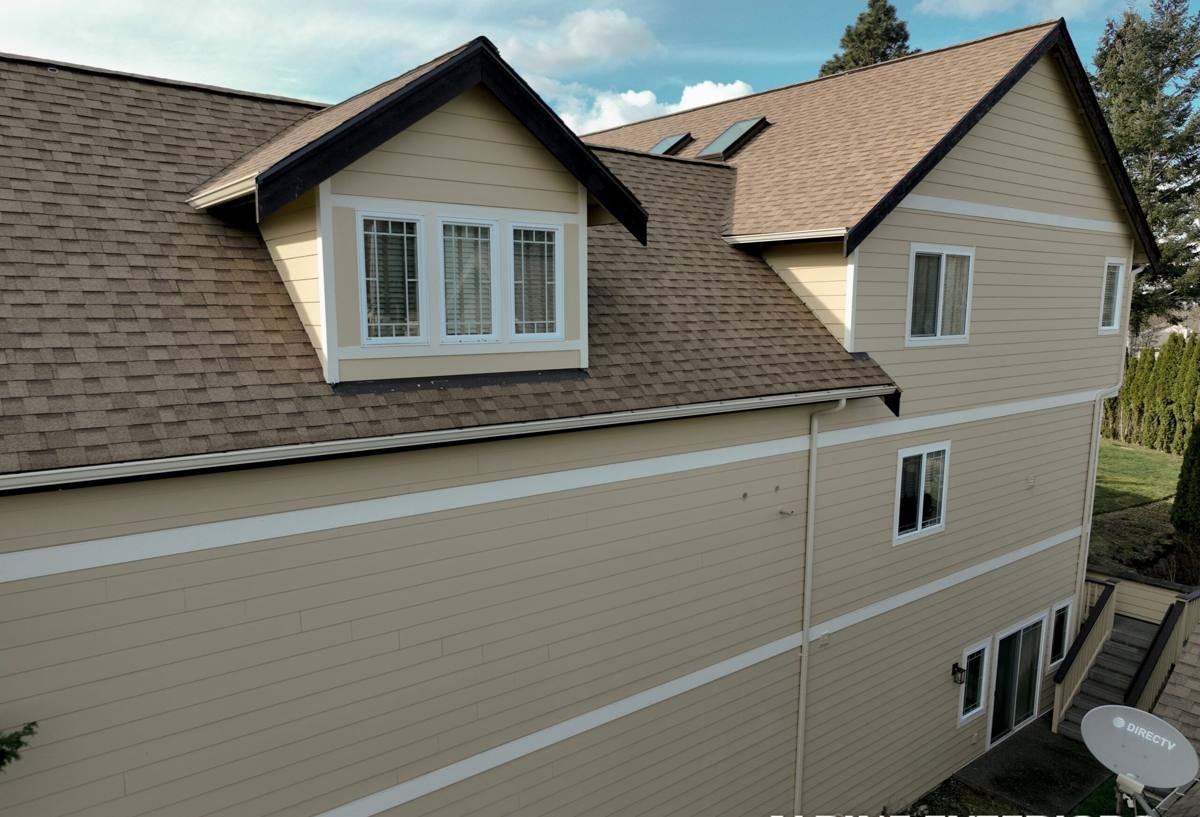
Signs Your Current Windows Are Losing the Fight
Most window failures in this climate don't show up as a cracked pane. They show up slowly, and homeowners often live with them for a year or two before calling anyone. Common signs we see on service calls in this area include:
- Fogging or condensation between panes — a sign the seal has failed and the insulating gas has escaped
- Soft or discolored wood at the sill or lower frame corners
- Visible moss or green film building up on the frame or exterior trim
- Drafts you can feel with a hand near the frame on a windy day
- Windows that stick, won't latch fully, or have gotten harder to open over the years
- A musty smell near the window that wasn't there before
Any one of these can be a minor fix. Several together, especially soft wood combined with fogged glass, usually means the window and possibly some of the surrounding framing needs to come out rather than be patched.
What a Correct Custom Window Installation Actually Involves
"Custom" windows aren't about fancy shapes — most of the work is about getting an exact fit for an opening that, in an older Sudden Valley home, is almost never perfectly square anymore. Settling, moisture cycling, and decades of seasonal expansion and contraction all shift a rough opening over time. A correct installation accounts for that instead of forcing a stock size into a space that's changed shape.
The parts that matter most
The window unit itself gets a lot of attention from homeowners, but the details around it are what actually determine whether the installation lasts in this climate:
- Accurate measurement of the existing opening, not just the old window's stated size, since old openings are rarely true
- Removal and inspection of the old frame and sill to check for rot or moisture damage before anything new goes in
- Proper flashing integration with the existing house wrap or weather barrier, lapped correctly so water is directed out, not trapped behind the new unit
- Sill pan flashing at the base of the opening, which gives any water that does get past the window a way out instead of soaking into the framing
- Correct shimming and squaring so the window operates smoothly and doesn't rack out of alignment over the following seasons
- Low-expansion foam and backer rod at the gap between window and framing, sized to actually seal without bowing the frame
- Exterior trim and caulking done with a bead and material that will hold up to UV and constant damp, not just look good on install day
Skip or rush any one of those steps and you can end up with a brand-new window that still leaks or fails early — which is a common story we hear from homeowners who had windows installed by a crew that wasn't used to this kind of weather exposure.
Choosing the Right Frame Material for This Area
There's no single "best" window material — the right choice depends on sun exposure, budget, and how much upkeep a homeowner wants to take on. In a climate with this much moisture and moss pressure, we weigh maintenance burden heavily when we make a recommendation.
| Frame Material | Moisture Behavior | Maintenance | Typical Fit |
|---|---|---|---|
| Vinyl | Won't rot; handles damp well | Low — occasional cleaning | Budget-conscious replacements, rental and secondary homes |
| Fiberglass | Very stable in wet/dry cycling, resists warping | Low | Homes wanting long service life without repainting cycles |
| Wood (clad exterior) | Good if the exterior cladding stays intact; interior wood needs protection from condensation | Moderate — exterior clad reduces upkeep, interior finish still needs care | Homeowners who want a traditional interior look |
| Solid wood | Most vulnerable to this climate's damp/moss cycle without diligent upkeep | High — regular painting/sealing required | Historic-style homes where appearance is the priority and upkeep is planned for |
| Aluminum | Durable but conducts cold, can condense heavily in a marine climate | Low | Sunrooms, commercial-style openings |
For most Sudden Valley homes we end up steering clients toward vinyl or fiberglass for regularly wet, shaded, or west-facing openings, and reserving wood-look options for spots that get more sun exposure and less standing moisture. That's a maintenance and moisture-management call, not a statement that any one product is bad — it's about matching the material to how much upkeep a given wall of the house realistically gets.
Glass Packages and Energy Performance
Glass selection matters as much as frame material here, mostly because of two things: heat retention through the long gray stretch of the year, and condensation control given how humid it stays for weeks at a time.
What we typically recommend and why
Double-pane, low-E coated glass with an argon or krypton gas fill is the standard starting point for this climate — it cuts heat loss through the glass and reduces the interior condensation that shows up on cold, damp mornings. For north-facing rooms, shaded lots, or homes closer to tree cover where humidity sits higher, we'll often discuss a warm-edge spacer system, which keeps the edge of the glass warmer and further reduces condensation risk at the perimeter of the pane — often the first place fogging or frost shows up.
Triple-pane glass is worth discussing for homes with unusually high energy costs or rooms that are consistently hard to keep comfortable, but it's a real cost jump and isn't necessary for every opening. Part of our estimate process is being honest about where the upgrade pays off and where it doesn't.
Our Process, Start to Finish
We keep the process straightforward because window replacement is disruptive enough without added confusion.
1. On-site assessment
We look at each opening individually — sun exposure, current condition, any sill or framing damage — rather than quoting a whole house at one flat number sight unseen.
2. Product and glass recommendation
Based on that walkthrough, we recommend frame material and glass package per opening, explaining the tradeoffs so the decision is yours, not a sales pitch.
3. Written estimate
A clear estimate covering materials, labor, and any framing repair we expect to encounter, with no vague allowances.
4. Careful removal and inspection
Old units come out carefully, and we inspect the framing before anything new goes in — if there's hidden rot, we flag it and address it rather than sealing it behind a new window.
5. Installation with proper flashing and sealing
Every step above — sill pan, flashing lap order, shimming, sealing — done to hold up against driving rain and salt air, not just pass a quick visual check.
6. Final walkthrough
We test operation, check the seal, and walk the exterior trim with you before calling the job done.
What Affects the Cost of a Window Project
Every project is different, but the same handful of factors drive most of the cost variation we see on Sudden Valley homes.
| Factor | Why It Matters |
|---|---|
| Number and size of openings | More direct impact on materials and labor than any other factor |
| Frame material chosen | Vinyl, fiberglass, and clad-wood carry different material costs |
| Glass package | Double-pane low-E vs. triple-pane vs. warm-edge spacer upgrades |
| Condition of existing framing | Rot or water damage found during removal adds repair scope |
| Access and site conditions | Second-story openings, tight lake-lot access, or landscaping obstacles add labor time |
| Trim and exterior detailing | Matching existing trim profiles or upgrading exterior finish adds scope |
We won't give a number over the phone before seeing the openings — but we can talk through general ranges once we've walked the site, and we're upfront if we think a lower-cost option is genuinely the right call for a particular window.
Why Hiring a Crew That Already Works in Sudden Valley Matters
A window installer who mostly works in dry, low-exposure areas can do fine work and still get caught off guard by what this climate does to a house over time. Crews familiar with Whatcom County's marine air, sustained rain events, and moss growth know to pay closer attention to flashing detail, sill drainage, and material choice on shaded or north-facing walls — because they've seen what happens when those details get skipped in this specific environment.
That local familiarity also shows up in smaller ways: knowing which wall orientations on a lake-influenced, tree-covered lot tend to hold moisture longest, recognizing early rot before it spreads, and setting expectations correctly about how a given frame material will hold up given a home's specific sun and shade pattern. It's less about any single dramatic difference and more about a lot of small, correct decisions adding up to a window that performs for years instead of one that looks right on install day and starts failing within a few seasons.
Keeping New Windows Performing Long-Term
Even a well-installed window benefits from a little seasonal attention in this climate:
- Rinse frames and tracks periodically to clear salt residue and organic buildup before it turns to moss
- Check and clear weep holes on vinyl and fiberglass frames so water drains instead of pooling
- Inspect exterior caulking annually, especially after a hard winter, and touch up any cracked beads
- Wipe down interior sills during cold snaps if condensation appears, so moisture doesn't sit on wood surfaces
- Trim back vegetation that shades a window heavily or holds moisture directly against the exterior
None of this is complicated, but skipping it is exactly how a well-installed window ends up with the same moss and moisture problems as the one it replaced.
If your windows in Sudden Valley are fogging, drafting, or just showing their age, we're happy to take a look and give you an honest read on repair versus replacement — no pressure, no obligation. Use the form below to request a free estimate.