 Ferndale Roofing
 Asphalt Shingle Roofing Built for Sudden Valley's Weather
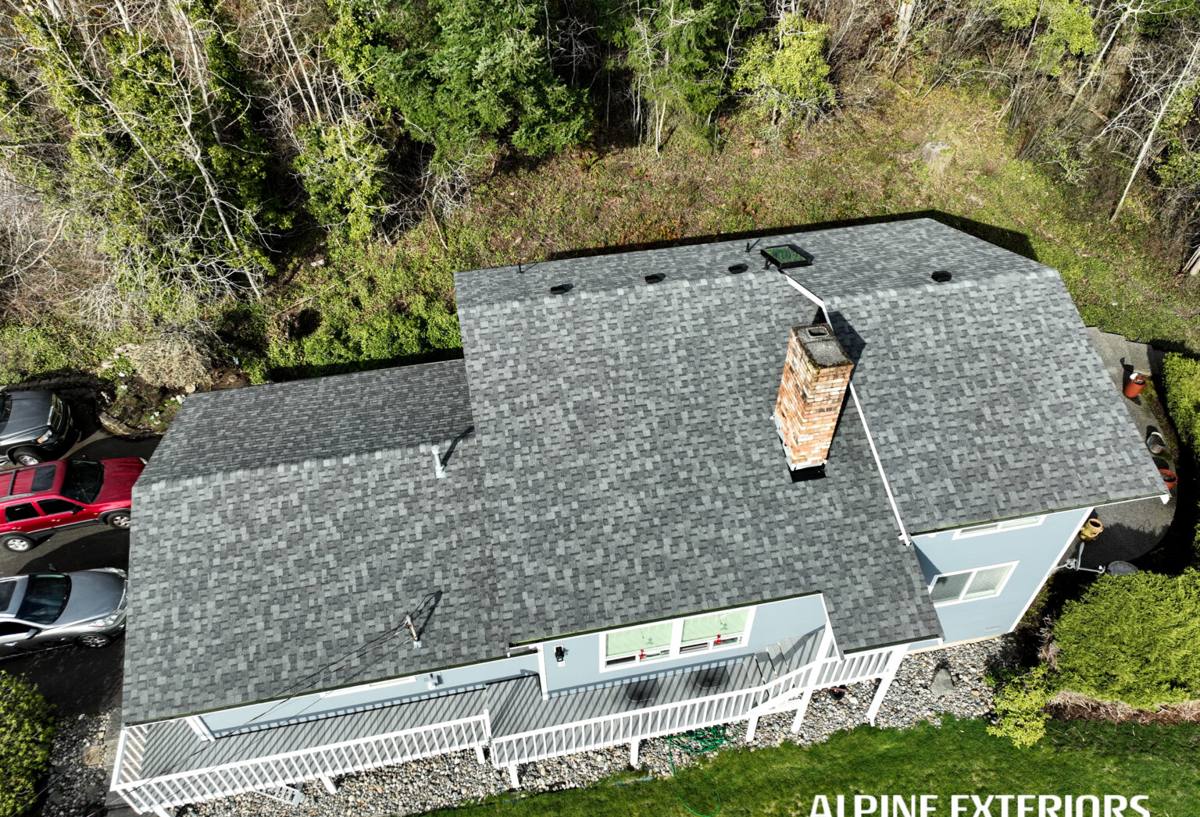
Homes in and around Sudden Valley deal with a specific mix of weather that a lot of shingle roofs simply aren't installed to handle. Moist marine air moves in off the water, driving rain comes through sideways during winter storms, and shaded, tree-covered lots hold onto damp conditions long after a storm has passed. That combination is exactly what breaks down a poorly installed or poorly maintained asphalt shingle roof faster than the manufacturer's warranty ever expects. We install and repair asphalt shingle roofs for homeowners in this area, and this page covers what actually matters here: material choice, installation details, and the maintenance habits that keep a roof performing for its full service life instead of failing early.
What Salt Air, Rain, and Moss Actually Do to a Shingle Roof
Every roofing material reacts to weather differently, and asphalt shingles have specific weak points that show up in this part of Whatcom County more than in drier inland climates.
Salt-Laden Air and Metal Components
It's not the shingles themselves that suffer most from salt air — it's the metal. Nail heads, flashing, drip edge, and any exposed fasteners are the first things to show corrosion when they're not rated for a coastal-influenced environment. Once a fastener starts to rust, it loses holding strength, and a shingle that should stay locked down through a windstorm can start to lift. This is why fastener and flashing material selection matters as much as the shingle brand itself.
Driving Rain and Wind-Driven Water
Straight-down rain is easy for any roof to shed. Driving rain that comes in at an angle during a winter system is a different problem — it gets pushed up under shingle tabs, into laps, and around penetrations like vent pipes and chimneys. A roof that was installed with minimum-code underlayment and standard nailing patterns can handle normal rainfall for years and still leak the first time a real wind-driven storm hits, because the margin for error was never built in.
Extended Moss Season
Shaded lots and long stretches of damp, mild weather mean moss has a long growing season here compared to drier regions. Moss doesn't just look bad — it holds moisture directly against the shingle surface, works its way under tabs as it grows, and gradually lifts and separates the shingle layers. A roof that's shaded by trees for much of the day is at meaningfully higher risk than one in full sun, and that risk needs to be planned for at installation, not just managed after the fact.
What a Correct Asphalt Shingle Installation Includes
A shingle roof is a system, not just a layer of material nailed to the deck. Skipping any one of these steps is where premature failures come from.
Deck Inspection and Repair
Before anything new goes down, we check the roof deck for soft spots, delamination, and rot — especially around valleys, chimneys, and low-slope sections where water has had the most opportunity to sit. Installing new shingles over a compromised deck just hides a problem that will surface again, usually as a leak.
Underlayment Selection
Standard felt underlayment is code-minimum, not the right call for a roof exposed to driving rain and long wet seasons. We use synthetic or upgraded underlayment as a second line of defense, and in vulnerable areas — eaves, valleys, and around penetrations — self-adhered ice-and-water membrane that seals around fastener penetrations instead of just shedding water over them.
Flashing and Fastener Materials
Flashing at chimneys, walls, skylights, and valleys needs to be corrosion-resistant and properly lapped with the underlayment and shingles — not just caulked in place. Fastener choice matters too: corrosion-resistant nails hold up over the roof's life in a way that standard fasteners don't, particularly on a home exposed to salt-influenced air.
Ventilation
Proper intake and exhaust ventilation keeps the attic space at a stable temperature and moisture level. Without it, trapped moisture condenses against the roof deck from underneath — which accelerates rot and shortens shingle life from the inside, independent of anything happening on the exterior surface.
Shingle Nailing Pattern
Every shingle has a manufacturer-specified nailing pattern and nail count designed for wind resistance. In an area that sees real winter wind events, we don't cut corners on this — under-nailing is one of the most common causes of shingles lifting or blowing off in a storm.
Choosing the Right Shingle Tier for This Climate
Not every asphalt shingle product is a good fit for a shaded, damp, coastal-influenced lot. Here's how the common tiers compare for homes in this area:
| Shingle Tier | Typical Lifespan | Moss/Algae Resistance | Best Fit |
|---|---|---|---|
| 3-Tab (economy) | 15–20 years | Low unless treated | Budget-driven projects, full-sun roofs |
| Architectural / Dimensional | 25–30 years | Moderate to good with algae-resistant granules | Most Sudden Valley homes — best balance of cost and durability |
| Premium / Designer | 30+ years | Good, often with enhanced warranty coverage | Steep-slope, highly visible, or heavily shaded roofs |
For most homes here, we recommend an architectural shingle with algae-resistant (AR) granules — copper- or zinc-infused granules that slow moss and algae growth over time. It's not a permanent fix on its own, but paired with good roof airflow and periodic cleaning, it meaningfully extends the interval between moss treatments.
What Drives the Cost of a Shingle Roof Here
Every roof is priced individually, but these are the main factors that move the number up or down on a typical Sudden Valley home:
| Factor | Why It Matters |
|---|---|
| Roof pitch and access | Steeper roofs and tree-crowded lots take longer and require more safety setup |
| Number of existing layers | Tear-off of multiple old layers adds labor and disposal cost |
| Deck condition | Rotted or soft decking found during tear-off requires repair before shingles go down |
| Shingle tier chosen | Economy, architectural, and premium products carry different material costs |
| Flashing and ventilation scope | Full flashing replacement and added ventilation cost more upfront but reduce future repair risk |
We give a written, itemized estimate before any work starts, so you know exactly what you're paying for and why — not just a single lump-sum number.
Our Process, Start to Finish
1. On-Site Inspection
We walk the roof, check the deck where accessible, note shade exposure and moss buildup, and look at flashing and ventilation condition — not just the shingle surface.
2. Written Estimate
You get a clear scope of work and price broken down by material and labor, including shingle tier options, so you can compare choices honestly.
3. Tear-Off and Deck Repair
Old material comes off down to the deck. Any soft or damaged decking is replaced before new underlayment goes down — we don't install over a compromised deck.
4. Underlayment, Flashing, and Shingle Installation
Ice-and-water membrane at vulnerable areas, synthetic underlayment across the field, corrosion-resistant flashing, and shingles installed to the manufacturer's nailing spec for wind resistance.
5. Ventilation Check
We confirm intake and exhaust airflow is adequate for the attic space, adding or correcting vents where needed.
6. Cleanup and Final Walkthrough
Site is cleared of debris and fasteners, and we walk the finished roof with you before calling the job done.
Maintenance That Keeps a Sudden Valley Roof Healthy
A correctly installed roof still needs periodic attention in this climate. Here's what we recommend homeowners stay on top of:
- Have moss growth removed before it spreads under shingle tabs — don't wait until it's visibly thick
- Keep gutters clear so water isn't backing up against the lowest course of shingles
- Trim back overhanging branches to reduce shade and speed up drying after rain
- Check attic ventilation isn't blocked by insulation or debris
- Have flashing around chimneys and vent pipes inspected every few years for corrosion or lifted seals
- Schedule a roof inspection after any major windstorm, even if there's no visible damage from the ground
Signs Your Roof Needs Attention
Catching problems early is almost always cheaper than waiting for a leak. Watch for granules collecting in gutters (a sign shingles are wearing down faster than expected), dark streaking or thick moss patches, shingle tabs that look lifted or curled at the edges, and any staining on interior ceilings, which usually means water has already found a way past the roofing system. None of these mean the whole roof needs replacing right away — often a repair or targeted maintenance visit is enough — but they shouldn't be ignored.
Why Local Experience Matters for This Job
A shingle roof installed by the book in a dry inland climate can still underperform here if the underlayment, flashing, and ventilation choices don't account for what Whatcom County weather actually does to a roof over time. Working in this area regularly means we know which details are worth upgrading past code minimum and which parts of a roof fail first on a shaded, damp lot near the water. That's the difference between a roof that needs attention again in a few years and one that quietly does its job for decades.
If you're planning a new roof or want an honest read on the one you have, we're happy to come take a look. Estimates are free, there's no pressure to commit on the spot, and you'll get a straight answer about what your roof actually needs — just fill out the form below to get started.