 Ferndale Roofing
 Siding Repair Built for Semiahmoo's Coastal Exposure
Semiahmoo sits close enough to the water that its homes take a different kind of beating than houses a few miles inland in Ferndale or elsewhere in Whatcom County. Salt-laden air, driving rain off the Strait, and long stretches of gray, damp weather each winter create conditions that most siding products simply weren't built to handle indefinitely. Add in the region's extended moss season, and you've got a recipe for siding that looks fine from the curb but is quietly failing underneath.
Siding repair in a setting like this isn't just about patching a cracked board or caulking a gap. It's about understanding why that section failed in the first place, whether the damage is cosmetic or structural, and whether a repair is even the right call versus planning ahead for replacement. This page walks through what we look for, how we work, and what separates a repair that lasts from one that's a temporary fix.
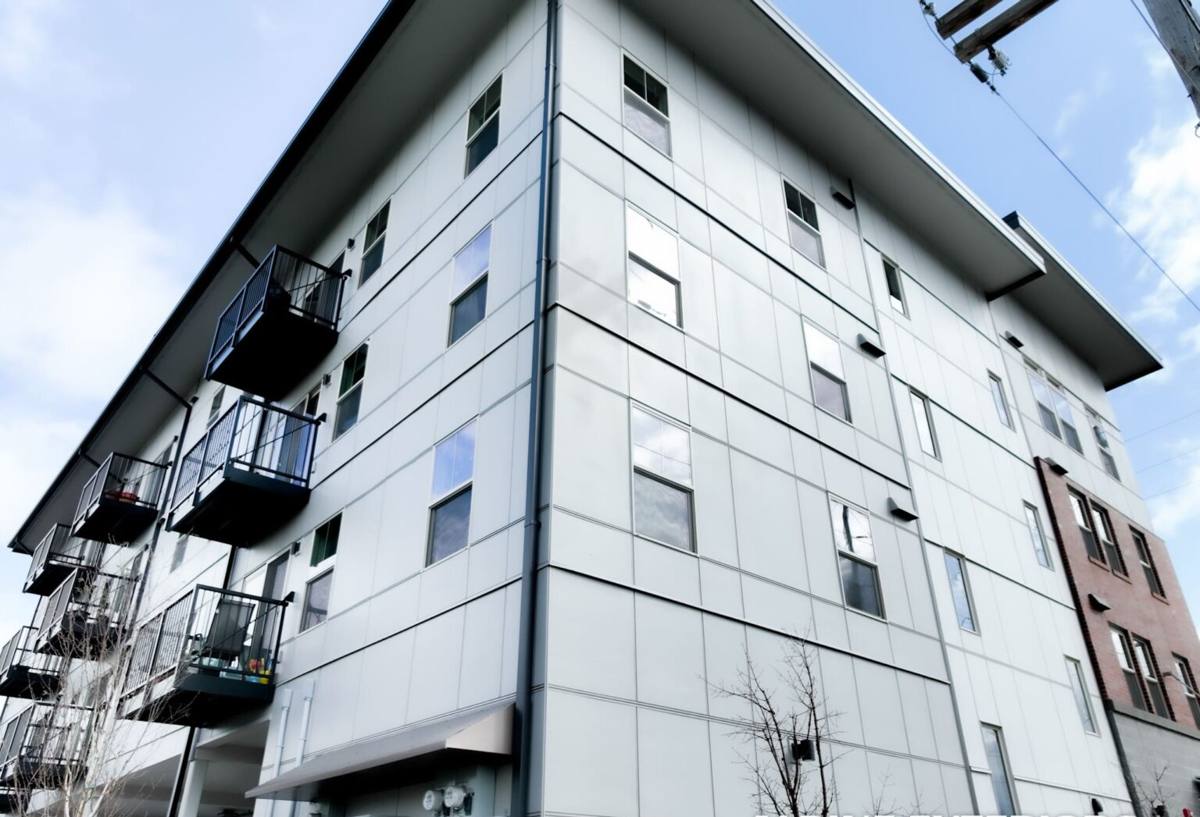
What Salt Air, Rain, and Moss Actually Do to Siding
Each of these three factors attacks siding differently, and understanding the difference matters for diagnosing a repair correctly.
Salt Air
Airborne salt is corrosive to metal fasteners, flashing, and trim. Over years, it accelerates rust at nail heads and butt joints, which in turn creates small entry points for moisture. It also breaks down some paint and coating systems faster than the manufacturer's stated lifespan, which is why siding closer to the water often needs repainting or spot repair sooner than the same product would inland.
Driving Rain
Wind-driven rain doesn't fall straight down — it gets pushed sideways and upward into laps, corners, and butt joints that were designed for gravity-fed water, not pressure-fed water. This is where a lot of siding failures start: not on the flat face of a wall, but at the seams, inside corners, and around windows and doors where wind can force water past a marginal seal.
Moss and Sustained Moisture
Whatcom County's mild, wet winters give moss and algae months to establish themselves on north-facing walls, under eaves, and anywhere airflow is limited. Moss holds moisture directly against the siding surface far longer than open air would allow. For wood-based products especially, that sustained dampness is what leads to soft spots, delamination, and rot — often well before the siding's expected service life is up.
Signs a Semiahmoo Home Needs Siding Repair
Most siding problems give warning signs before they become expensive ones. Homeowners in coastal Whatcom County should walk the exterior at least once a year, ideally before the wet season sets in, and look for:
- Soft, spongy, or bubbling spots when pressed — usually a sign of moisture trapped behind or inside the siding
- Visible cracking, especially at butt joints or corners where boards meet
- Paint that's peeling, bubbling, or failing faster than the rest of the house, which often points to moisture pushing out from behind
- Persistent moss or dark streaking that keeps returning even after cleaning
- Gaps opening up around window and door trim
- Rust staining bleeding down from fastener heads or metal flashing
- A musty smell or visible staining on interior walls that share an exterior wall with a suspect section
- Warping or bowing boards, particularly on the side of the house that faces prevailing wind and rain
Any one of these on its own might be minor. Several appearing together, especially on the same wall, usually means moisture has been getting in for a while and the repair needs to address the cause, not just the symptom.
Why Some Siding Repairs Don't Hold Up
A repair that only addresses what's visible on the surface tends to fail again within a season or two, especially in an environment like Semiahmoo's. We see a few recurring patterns:
Patching Without Diagnosing the Water Path
Caulking over a crack or replacing one damaged board without figuring out how water got in usually means the same failure returns, sometimes in a new spot nearby. Water doesn't stay where it enters — it travels behind the siding along the sheathing or framing until it finds a way out or a place to pool.
Mismatched Materials
Repairing a section with a different product than what's already on the wall, or with a lower grade of the same material, creates a weak point. Different materials expand, contract, and absorb moisture at different rates, which stresses the seam between old and new over time.
Skipping the Water-Resistive Barrier and Flashing
The siding itself is only part of the system. Behind it should be a properly lapped weather-resistive barrier and flashing at every penetration, window, and horizontal seam. A repair that reinstalls siding without correcting damaged or missing flashing underneath is cosmetic — the underlying vulnerability is still there.
What a Correct Siding Repair Involves
1. Full Diagnosis First
Before any board comes off, we identify how far the damage extends — sometimes what looks like a two-foot section of trouble turns out to be isolated, and sometimes it means opening up more of the wall to find where the moisture is actually originating. This step is the difference between a repair that solves the problem and one that just moves it.
2. Removing Only What's Compromised
We remove damaged siding and check the sheathing, framing, and water-resistive barrier underneath. If the sheathing is soft or the barrier is torn, that gets addressed before anything new goes back on — repairing over a compromised substrate just resets the clock on the same failure.
3. Correcting Flashing and Drainage Details
Any flashing at windows, doors, or horizontal joints that's damaged, missing, or was installed short gets corrected. In a driving-rain environment, this detail matters as much as the siding itself.
4. Matching Material and Finish
We match the profile, exposure, and finish as closely as possible so the repair blends in rather than standing out as a visible patch. On homes where the existing siding is aging or was a lower-durability product to begin with, we'll also give an honest read on whether a full section — or eventually the whole elevation — makes more sense than chasing repairs indefinitely.
5. Sealing and Finishing to Spec
Fasteners, caulking, and touch-up finish work follow the manufacturer's installation requirements, not shortcuts. This is especially important near salt air, where a fastener or sealant that isn't rated for the exposure will fail early and undo the rest of the work.
Repair or Replace: How to Think About It
Not every damaged section needs full replacement, and not every repair is worth doing if the underlying siding is near the end of its useful life. Here's how we walk homeowners through that decision.
| Factor | Leans Toward Repair | Leans Toward Replacement |
|---|---|---|
| Extent of damage | Isolated to one section or wall | Recurring across multiple walls |
| Cause | One-time event (impact, isolated flashing failure) | Systemic moisture or material breakdown |
| Age of existing siding | Well within expected lifespan | Near or past expected service life |
| Material | Durable material still performing elsewhere on the house | Prone material (wood-based, older composite) showing wear broadly |
| Sheathing condition | Sound, dry substrate found during repair | Soft, rotted, or repeatedly compromised sheathing |
We'll always give a straight answer rather than steering toward the bigger job by default. Plenty of repairs genuinely are the right call, and we tell homeowners that when it's true.
Our Process for a Semiahmoo Repair Call
- Inspection. We walk the full exterior, not just the reported problem area, since coastal exposure often affects more than one wall at a time.
- Written scope. You get a clear explanation of what's failing, why, and what the repair will involve — including whether we find anything unexpected once we open up the wall.
- The work itself. Removal, substrate check, flashing correction, matched material installation, and finish work, done to manufacturer spec rather than the fastest path.
- Cleanup and walk-through. We clear debris and walk the repair with you so you know exactly what was done and why.
Why James Hardie Is What We Repair and Rebuild With
When a repair calls for replacing more than a small patch — or when a homeowner decides it's time to stop chasing repeat repairs on an aging elevation — we install James Hardie fiber cement siding exclusively. We don't install vinyl, LP SmartSide, primed spruce, cedar, or other fiber cement brands, and that's a deliberate standard, not a limitation of what we can source.
In a salt-air, high-moisture climate, the real-world difference matters. Hardie's fiber cement is non-combustible and doesn't absorb and swell with moisture the way wood-based products can, which is a meaningful advantage in a place where wet weather is the default for months at a time. The factory-applied ColorPlus finish is baked on under controlled conditions, which holds up better against UV and salt exposure than field-applied paint, and it comes with its own finish warranty. Hardie also builds climate-specific HZ product lines engineered for exactly the kind of damp, marine-influenced weather that Semiahmoo and the rest of coastal Whatcom County deal with. When it's installed correctly — proper clearances, correct fastening, sound flashing underneath — it's a system built to hold up under the conditions that cause the most siding repair calls in the first place.
Why a Crew That Already Works Semiahmoo Matters
Siding repair done right depends on understanding how a specific house, in a specific location, is actually being exposed to weather — which walls take the worst of the wind-driven rain, where moss tends to establish first, which details are most likely to have been shortcut during the original build. A crew that regularly works Semiahmoo and the surrounding Ferndale area has already seen those patterns on comparable homes. That familiarity shortens the diagnosis, avoids guesswork, and means the repair addresses what actually happens on a wall exposed to Strait weather, not a generic assumption about siding failure.
Keeping Repaired Siding in Good Shape Afterward
A correct repair goes a long way, but a bit of upkeep afterward extends its life further in this climate:
- Rinse siding periodically, especially north-facing walls and areas under eaves where moss and algae collect fastest
- Keep gutters and downspouts clear so water isn't overflowing onto siding below
- Trim back vegetation and branches that keep a section of wall shaded and damp longer than the rest of the house
- Check caulking at trim and window edges annually, since sealants are usually the first thing to give out in salt air
- Address small issues — a loose piece of trim, a hairline crack — before the next wet season rather than after
If you're seeing signs of trouble on a Semiahmoo home, or you just want an honest read on whether a section is worth repairing versus planning for eventually, we're happy to take a look. Estimates are free, there's no pressure attached, and you'll get a straight answer either way — use the form below to get started.