 Ferndale Roofing
 Windows Built for the Semiahmoo Waterfront
Homes near Semiahmoo sit closer to open water and wind than most of Whatcom County, and their windows show it first. Salt-laden air off the bay accelerates corrosion on hardware and fasteners, wind-driven rain finds every gap in old flashing, and the long stretch of gray, wet months each year keeps humidity pressed against glass and sills. A window that performs fine twenty miles inland can fail early out here if it wasn't chosen and installed with this exposure in mind.
This page covers what actually matters for energy-efficient window replacement in the Semiahmoo area specifically: the climate factors at play, what a correctly built and installed window looks like, and how our process accounts for the conditions your home is up against.
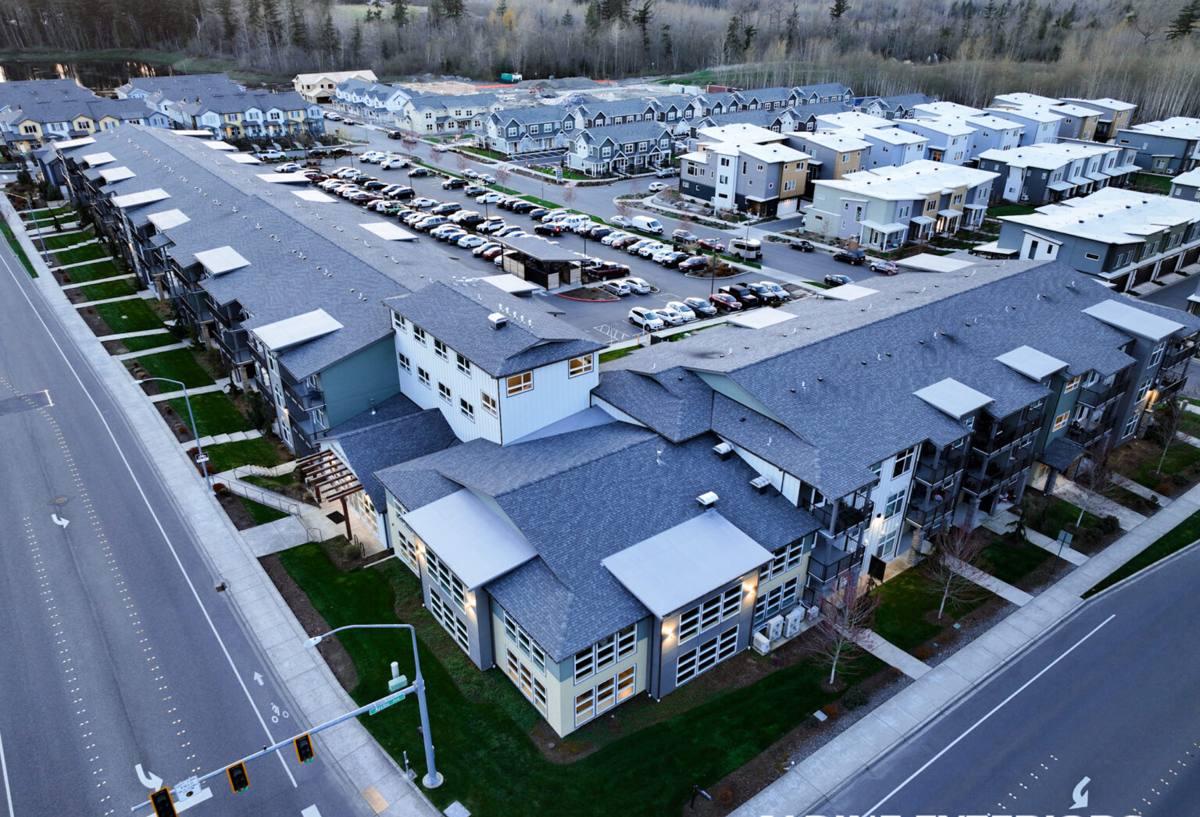
What This Climate Does to Windows Over Time
Salt Air and Corrosion
Airborne salt is mildly corrosive to unprotected metal. Over years, it can pit or discolor cheaper hardware, screws, and low-grade aluminum components faster than it would in a drier or more inland setting. This doesn't mean every metal part is a problem — it means material choice and hardware quality matter more here than they would elsewhere in the region.
Driving Rain and Wind Pressure
Storms coming off the water often push rain sideways rather than straight down. That kind of wind-driven rain tests the weakest point in any window system: the perimeter seal and flashing detail where the frame meets your wall. A window can have excellent glass and still leak if the installation around it wasn't built for lateral water pressure.
Moss Season and Sustained Moisture
Whatcom County's long wet season keeps moisture sitting on north-facing and shaded exterior surfaces for extended stretches. Around windows, that shows up as trapped condensation between panes, mildew at the sill, or slow rot in wood trim that never fully dries out between rain events. Ventilation gaps and drainage paths in the window assembly matter as much as the glass itself.
What "Energy-Efficient" Actually Means
Energy efficiency in a window comes down to a handful of measurable factors, not marketing language. For a Semiahmoo-area home, we look at:
- U-factor — how well the window resists heat loss. Lower is better, especially for west- and north-facing rooms that take the brunt of winter wind.
- Solar Heat Gain Coefficient (SHGC) — how much solar heat passes through the glass. This matters differently depending on which direction a window faces and how much shade the home gets.
- Air infiltration rate — how much outside air leaks through the assembly when closed. A well-built window with a poor installation can still leak air around the frame.
- Glass package — low-E coatings and gas fill (typically argon) between panes reduce heat transfer without changing how the glass looks.
- Frame material and construction — this determines how the window holds up physically to salt air, moisture, and temperature swings over the long term.
All five interact. A window with a great glass rating but a poorly sealed frame will still cost you on the energy bill and eventually let water in.
Frame Materials: Trade-Offs for a Coastal, Wet Climate
There's no single "best" frame material for every home — the right choice depends on your budget, the window's exposure, and how much upkeep you want to take on. Here's how the common options generally compare in a salt-air, high-rain environment like this one.
| Frame Material | Salt Air / Moisture Resistance | Energy Performance | Maintenance |
|---|---|---|---|
| Vinyl | Good — won't corrode or rot; seams are the main long-term watch point | Good, especially multi-chambered profiles | Low — occasional cleaning |
| Fiberglass | Very good — dimensionally stable, resists moisture and salt exposure well | Very good | Low |
| Wood-clad | Fair — the cladding protects the wood, but any breach in the clad layer exposes wood to rot | Good | Higher — clad seams and exposed wood interiors need periodic attention |
| Aluminum | Lower unless marine-grade and properly coated — conducts heat and is more prone to corrosion near salt air | Weaker unless thermally broken | Moderate |
We don't push one material on every home. We'll walk through what each option means for your specific windows, exposure, and budget, and give you an honest recommendation — including where a cheaper option is genuinely fine and where it isn't.
Signs Your Current Windows Are Costing You
Before assuming full replacement is the answer, it's worth knowing what to look for. Some of these can be addressed with repair; others point to a window system that's past the point of fixing.
- Visible fog or moisture trapped between panes (failed seal)
- A noticeable draft near the frame even when the window is latched shut
- Soft or discolored wood trim, sill, or jamb
- Hardware that's stiff, corroded, or won't lock cleanly
- Cold spots near windows in winter, or rooms that overheat in summer sun
- Moss, algae, or persistent black mildew staining around the frame exterior
- Noticeably higher heating costs compared to similar-sized rooms elsewhere in the house
One or two of these might mean a repair or re-caulk will hold you over. Several at once, especially combined with an older window system, usually means the frame and seal have reached the end of their useful life.
Our Installation Process
1. On-Site Assessment
We look at each window's exposure — which direction it faces, how much wind and rain it takes directly, and what condition the existing frame, sill, and surrounding wall are in. Two windows on the same house can need different specs depending on which side of the home they're on.
2. Removal Without Collateral Damage
Old frames come out carefully to avoid tearing surrounding siding, trim, or house wrap more than necessary. Any rot or damage found underneath gets addressed before anything new goes in — sealing a new window over a compromised wall assembly just hides a problem instead of fixing it.
3. Flashing and Water Management
This is the step that matters most in a driving-rain climate. Proper flashing directs water that reaches the window opening back out and away from the wall assembly, rather than trusting caulk alone to keep it out. We build this to shed water the way this specific climate demands, not to a generic minimum.
4. Air Sealing and Insulation
Gaps between the new frame and the rough opening get properly insulated and air-sealed — not overpacked with foam, which can bow the frame, and not left loose, which leaks air and defeats the point of an efficient window.
5. Final Check and Cleanup
Every window gets operated, checked for square and smooth function, and inspected for a clean seal before we consider the job done. We haul away old materials and leave the work area clean.
Why the Installation Matters More Than the Brand
A high-performance window with a rushed or generic installation will underperform and can leak — regardless of what's printed on the label. The reverse is also true: a well-built mid-range window, correctly flashed and sealed for this climate, will often outperform an expensive window installed carelessly. We'd rather spend the extra time on flashing detail and air sealing than upsell you on glass specs your home doesn't need.
What Drives Cost
| Factor | Why It Matters Here |
|---|---|
| Frame material | Fiberglass and quality vinyl cost more up front but hold up better against salt air and moisture over time |
| Number of windows and access | Second-story and hard-to-reach windows near wind exposure take more time and care |
| Existing damage | Rot or water damage found during removal adds repair work before the new window can go in correctly |
| Glass package | Higher-performance low-E and gas-fill glass costs more but pays back through comfort and lower heating bills |
| Trim and finish work | Matching existing exterior trim or upgrading it adds labor and material beyond the window unit itself |
We'll walk through these factors specific to your home during the estimate so you know what you're paying for and why — not just a flat per-window number.
Maintaining Energy-Efficient Windows in This Climate
- Rinse salt residue off frames and glass periodically, especially on wind-facing sides of the home
- Check and clear weep holes so water can drain out of the frame rather than pooling
- Wipe down sills after extended wet stretches to keep moss and mildew from taking hold
- Inspect exterior caulking annually and re-seal any cracked or shrunken sections promptly
- Operate locking hardware periodically through the wet season so it doesn't seize from disuse
- Watch for soft trim or bubbling paint near the frame — early signs of moisture getting in
Why Local Experience Matters
A crew that regularly works homes in the Semiahmoo area already knows which directions take the worst of the wind and rain, how salt exposure tends to show up on hardware and finishes over time, and what flashing details actually hold up through a full Whatcom County winter. That's not something you get from a general product spec sheet — it comes from doing this work, on this coastline, repeatedly. It also means we're a known, reachable local business if a question comes up after the job is done, not a crew that installed once and moved on.
If you're weighing a window replacement for a home near Semiahmoo, we're happy to take a look and give you a straightforward, no-pressure estimate — what we'd recommend for your home's exposure, what it would cost, and why. There's a form below to get started.