 Ferndale Roofing
 Siding Installation in Nooksack: A Job the Climate Won't Let You Fake
Homes in the Nooksack area take a steady, year-round beating from Whatcom County weather. Marine air off the Sound drifts inland and keeps humidity high for months at a time, driving rain comes in sideways during fall and winter storms, and the shoulder seasons stay damp long enough for moss and algae to get a real foothold on anything that holds moisture. Siding out here isn't just a cosmetic layer — it's the single biggest factor in whether the wall assembly behind it stays dry, insulated, and structurally sound for the next few decades.
We install siding for homeowners throughout the Ferndale service area, including the Nooksack community, and the failures we get called out to fix are almost always the same story: siding that looked fine going up but wasn't detailed for this climate, or a product that simply isn't built to handle sustained moisture exposure. This page walks through what siding installation should actually involve out here, and why we've standardized on one product system instead of offering a menu of options.
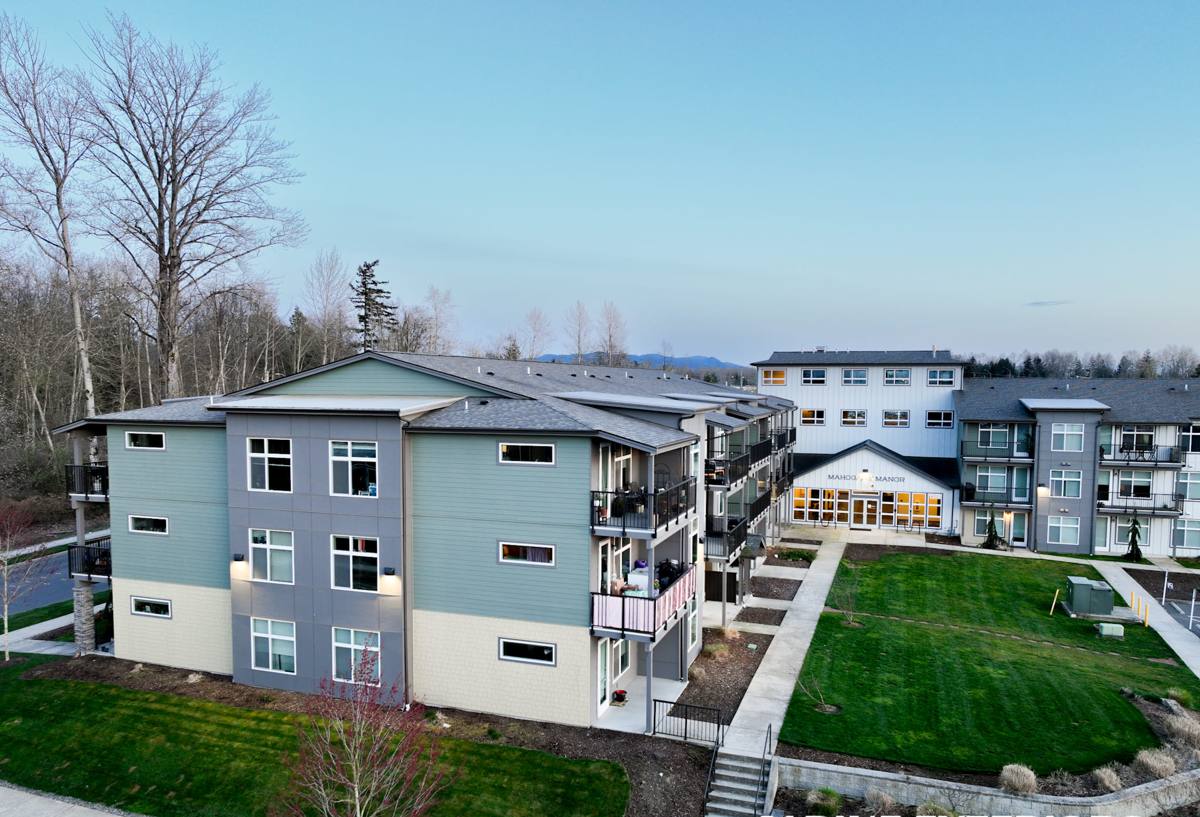
What Nooksack-Area Homes Are Up Against
A few things make siding performance harder to get right in this part of Whatcom County than in a drier inland climate:
- Sustained moisture exposure. Long stretches of damp, overcast weather mean siding and the water-resistive barrier behind it rarely get a chance to fully dry out between storms.
- Wind-driven rain. Winter storm systems don't just drop rain straight down — they push it horizontally into wall assemblies, which puts far more stress on seams, laps, and flashing details than a calm rain would.
- A long moss and algae season. Shaded elevations, tree cover, and consistent moisture give organic growth months to establish itself on siding surfaces, especially north- and west-facing walls.
- Salt-influenced air. Even set back from open water, this stretch of coastal Washington sees marine air move through regularly, which accelerates corrosion of fasteners and degradation of lower-grade siding materials over time.
- Temperature swings between seasons. Siding and trim expand and contract with weather changes, and materials that aren't dimensionally stable open up gaps at joints and fastener points.
None of this is unique to any one property in Nooksack — it's the baseline condition every home in this stretch of the county deals with. The difference between siding that lasts and siding that fails early usually comes down to the material choice and the installation details, not luck.
What Correct Siding Installation Actually Involves
It Starts Behind the Siding, Not With It
The visible siding panel is the last layer installed, not the first thing that matters. A correct installation starts with inspecting and, where needed, replacing damaged sheathing, installing a proper weather-resistive barrier, and flashing every penetration, window, door, and horizontal transition so water is directed out and away from the wall — never trapped behind it. Skipping or rushing this stage is the single most common cause of hidden rot that isn't discovered until years later, often behind siding that still looks fine from the curb.
Fastening and Clearances Matter More Than They Look
Fiber cement siding has specific fastener spacing, fastener type, and embedment requirements, along with minimum clearances from grade, roof lines, and decks. These aren't suggestions — they're what keeps the product performing the way it's engineered to. Manufacturer installation instructions exist because they were tested for exactly the wind and moisture loads a region like this one produces.
Joints, Caulking, and Paint Lines
Every butt joint, corner, and trim intersection is a potential water entry point if it isn't detailed correctly. Factory-finished products reduce this risk by shifting the critical paint and sealant work to a controlled setting rather than a job site, which is one of the reasons finish quality matters as much as the base material.
Why We Only Install James Hardie Fiber Cement
We install James Hardie fiber cement siding exclusively. We don't install vinyl, LP SmartSide, Cemplank, Allura, primed spruce, or cedar, and that's a deliberate standard, not a lack of options. Each of those alternatives has a real place in the market and legitimate strengths — but given what this climate does to a home over 20, 30, or more years, we don't think they hold up well enough to put our name behind.
| Material | Where it struggles in this climate |
|---|---|
| Vinyl | Can warp or become brittle with temperature swings; seams and lower-cost trim details are common water entry points |
| LP SmartSide (engineered wood) | Wood-based substrate is more sensitive to sustained moisture exposure at cut edges and joints than fiber cement |
| Cemplank / Allura (fiber cement alternatives) | Similar base material to Hardie, but different manufacturing specs, finish systems, and warranty backing |
| Primed spruce / cedar | Natural wood requires the most ongoing maintenance — repainting, caulking, and moisture monitoring — to avoid rot in a damp climate |
| James Hardie fiber cement | Non-combustible, dimensionally stable, factory ColorPlus finish, engineered HZ product lines for this region |
James Hardie's HZ5 product line is engineered specifically for climate zones like ours — wet winters, humid shoulder seasons, and freeze-thaw cycling. The ColorPlus factory finish is baked on under controlled conditions and backed by its own finish warranty, which removes a lot of the variability you get from job-site painting. Fiber cement also doesn't feed moss and algae growth the way some organic and wood-based products can, which matters directly for a location dealing with a long moss season. It's non-combustible, holds paint and color far better over time than site-finished wood, and comes with a strong transferable product warranty when installed to Hardie's specifications — something we take seriously, because an improperly installed product can void that coverage regardless of how good the material itself is.
Our Siding Installation Process for Nooksack Homes
1. On-Site Assessment
We walk the property, evaluate the current siding and substrate condition, check for existing moisture damage around windows, doors, and grade-level transitions, and talk through your goals — full replacement, a specific elevation, or a repair-and-match scope.
2. Tear-Off and Substrate Inspection
Old siding comes off and we inspect the sheathing underneath. Any rot or compromised sections get addressed before anything new goes up — installing new siding over damaged sheathing just hides a problem instead of fixing it.
3. Weather Barrier and Flashing
We install a proper weather-resistive barrier and detail flashing at every window, door, and horizontal joint. This is the step that determines how the wall assembly handles the driving rain this region regularly sees.
4. Hardie Installation to Spec
Panels, fastener spacing, and clearances are installed to James Hardie's published specifications — not shortcuts, not "close enough." This is also what keeps the manufacturer's warranty intact if you ever need it.
5. Trim, Caulking, and Final Detail
Corners, trim, and joints are finished and sealed, and we do a final walk-through so you know exactly what was done and what the maintenance expectations are going forward.
Siding Cost Factors to Understand Before You Budget
Every property is different, so we won't quote a number without seeing the job — but these are the main variables that move the price up or down on a typical siding installation:
| Factor | Why it affects cost |
|---|---|
| Home size and wall complexity | More square footage, more corners, and more cut-ins mean more labor and material |
| Substrate condition | Rotted sheathing or hidden moisture damage found during tear-off adds repair scope |
| Siding profile chosen | Lap width, shingle-style panels, and board-and-batten all have different material and labor costs |
| Trim and accessory work | Fascia, soffit, window trim, and corner detailing add to the scope beyond flat wall panels |
| Access and site conditions | Multi-story sections, tight lot lines, or landscaping obstacles affect staging and labor time |
Signs Your Current Siding Is Already Failing
A lot of siding problems in this climate stay hidden until they're expensive. Watch for:
- Persistent moss or algae staining that comes back within a season of cleaning
- Soft or spongy sections when pressed near the base of walls or under windows
- Visible warping, buckling, or gaps opening up at seams and corners
- Peeling or bubbling paint, especially on wood-based or site-finished siding
- Interior signs like musty smells, discolored drywall, or trim near exterior walls
Any one of these is worth a professional look before it turns into a sheathing or framing repair.
Choosing a Siding Contractor Who Actually Works This Area
Siding installation is detail work, and the details that matter most in Whatcom County — flashing sequencing, fastener corrosion resistance, clearance from grade, moisture management around penetrations — are exactly the details that get skipped by crews who don't regularly work this climate. A contractor who installs siding in dry, low-moisture regions and a contractor who installs it where driving rain and a long moss season are the norm are not solving the same problem, even if the finished wall looks identical from the street.
Before hiring anyone for a siding project, it's worth confirming:
- They are licensed, bonded, and insured to do exterior work in Washington
- They can explain their flashing and weather-barrier approach in specific terms, not vague reassurances
- They are a factory-trained or certified installer for the siding product they're proposing
- They'll put the manufacturer's warranty terms and their own workmanship warranty in writing
- They can speak to how they detail siding for this region's rain and moisture conditions specifically
Caring for James Hardie Siding After It's Installed
Fiber cement is low-maintenance compared to wood, but "low-maintenance" isn't "no-maintenance." A periodic rinse to keep moss and organic buildup from establishing itself, an annual check of caulking at joints and trim, and prompt attention to any impact damage will keep a correctly installed Hardie system performing for decades. Because the ColorPlus finish is factory-applied, you're not signing up for a repaint cycle the way you would with site-finished wood siding.
If you're weighing a siding project for a home in the Nooksack area, we're happy to take a look and walk you through what we're seeing and what it would take to do the job right. Reach out for a free, no-pressure estimate using the form below.