 Ferndale Roofing
 Siding That Has to Work in Nooksack's Weather, Not Just Look Good
Homes in and around Nooksack sit in one of the more demanding climate zones for exterior materials in Whatcom County. You've got moisture blowing in off the water, long stretches of steady rain that don't let a wall system dry out between storms, and a shade-and-humidity combination that turns north-facing walls and anything under tree cover into a moss farm by year three or four. Siding here isn't just cladding — it's the first line of defense against a climate that never really gives your house a break.
We install fiber cement siding specifically because it's built to take that kind of punishment without the trade-offs that come with other materials. This page walks through what Nooksack homes specifically need from their siding, what a correct installation actually involves, and how we handle the job when we're on your property.
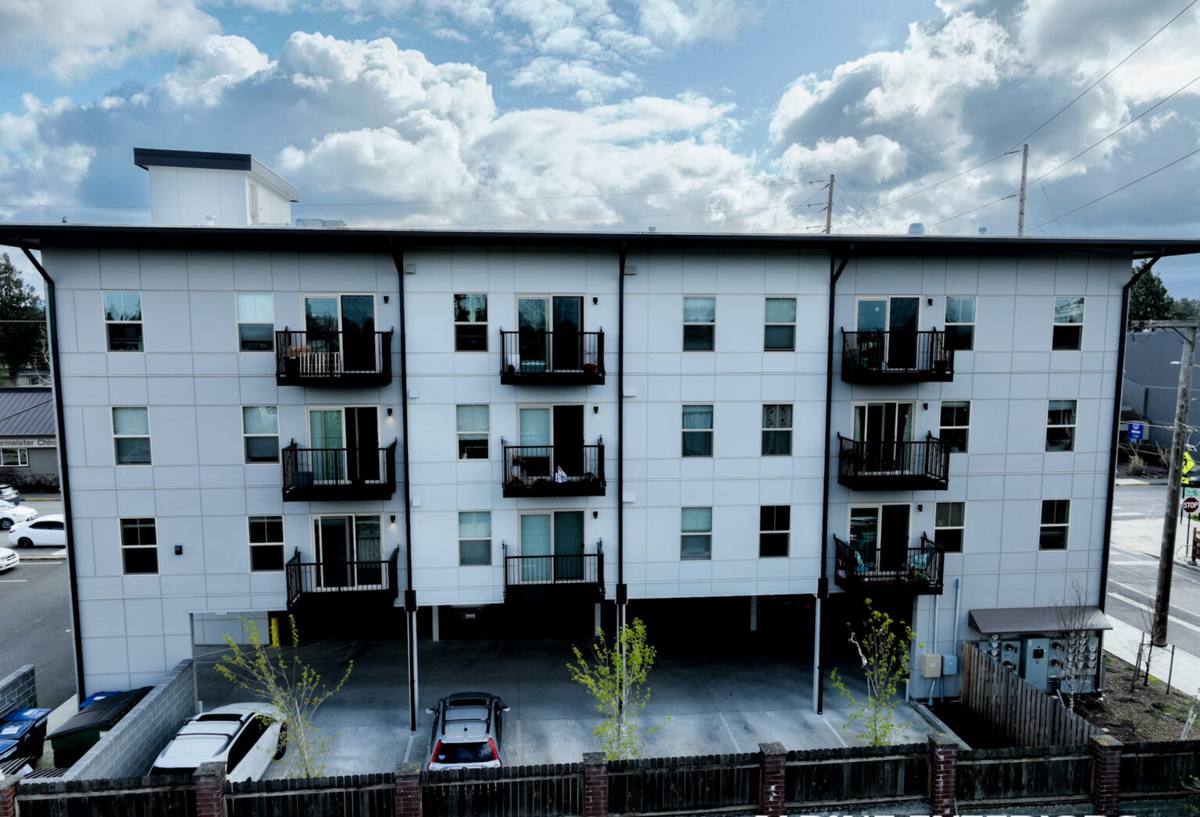
What Salt Air, Driving Rain, and Moss Season Actually Do to a House
Salt Air
Proximity to Puget Sound and Bellingham Bay means airborne salt is a real factor for exterior materials in this part of Whatcom County, even a few miles inland. Salt-laden moisture accelerates corrosion on fasteners, trim flashing, and any exposed metal, and it can degrade cheaper paint films faster than inland climates would predict. Siding that isn't factory-finished to resist this — or that relies on field-applied paint as its only protection — tends to show fading, chalking, and edge deterioration well ahead of schedule.
Driving Rain
Wind-driven rain doesn't just wet the surface of a wall — it pushes moisture into every gap, seam, and fastener penetration it can find. In a normal dry climate, a sloppy seam or a missed caulk joint might go unnoticed for years. Here, with rain hitting siding sideways for days at a stretch during the wet season, those same gaps become active water intrusion points almost immediately. The siding material matters, but the installation detailing — flashing, laps, gaps, sealant — matters just as much.
Moss Season
Shaded walls, north exposures, and anything near mature trees or dense landscaping stay damp long enough to grow moss and algae for a good chunk of the year. Moss holds moisture against the siding surface and, on materials that aren't dimensionally stable, that sustained dampness is what eventually causes swelling, delamination, or rot at the substrate. The fix isn't just periodic washing — it's choosing a material and a finish that don't feed the problem in the first place.
Why We Only Install James Hardie Fiber Cement
We made a deliberate decision as a company to install James Hardie fiber cement exclusively — not vinyl, not LP SmartSide, not primed wood, not other fiber cement brands. That's not a marketing position, it's a practical one based on what actually holds up in Whatcom County's coastal, wet climate.
Fiber cement is a cement, sand, and cellulose fiber composite. It doesn't absorb and swell the way wood-based products can, it doesn't soften or warp in sustained damp conditions, and it's non-combustible. James Hardie backs its boards with a factory-applied ColorPlus finish baked on under controlled conditions — a meaningfully more durable finish than field-applied paint, which matters a lot when salt air is working against the coating year-round. Hardie also engineers its product lines by climate zone (its HZ5 line is built for exactly the wet, freeze-thaw-adjacent conditions common in the Pacific Northwest), which is a level of climate-specific engineering most competing products don't offer.
None of this means other siding materials are junk — vinyl is inexpensive and low-maintenance in mild climates, and cedar has real aesthetic appeal. But for the rain load and salt exposure Nooksack homes deal with, we don't think those products hold up well enough over the long run to put our name behind the install. Fiber cement is what we recommend, and it's the only thing we put on a wall.
What a Correct Installation Actually Involves
Fiber cement siding's real-world performance comes down almost entirely to installation quality — the board itself is only half the story. In a climate like this one, a few details separate a siding job that lasts decades from one that fails early:
- Proper weather-resistive barrier and drainage plane behind the siding, so any moisture that does get past the cladding has somewhere to go
- Correct fastener type, spacing, and depth — over-driven or corrosion-prone fasteners are a leading cause of early siding failure in wet coastal climates
- Minimum ground clearance and proper flashing at all penetrations, windows, doors, and roof-to-wall intersections
- Butt joints and seams treated per manufacturer spec, not just caulked and hoped for
- Adequate gap and sealant detailing at trim and corners to allow for expansion without opening water paths
- Field-cut edges primed or sealed so the cut ends aren't left exposed to moisture
Skip any one of these and you can end up with water intrusion behind a product that's otherwise doing its job perfectly well. This is where a lot of siding failures actually originate — not from the material, but from installation shortcuts that don't show up until years later.
Our Process for Nooksack Jobs
When we take on a fiber cement siding project in Nooksack, the sequence generally looks like this:
1. Walk and Assessment
We look at existing siding condition, sheathing and framing where accessible, moisture staining, and problem areas — particularly shaded or north-facing walls where moss and dampness tend to concentrate. This tells us whether we're doing a straightforward re-side or whether there's underlying damage to address first.
2. Weather Barrier and Prep
Any compromised sheathing gets addressed before new siding goes up. We install or verify a proper weather-resistive barrier and drainage gap, because covering up a bad substrate with new siding just delays the same problem.
3. Installation to Manufacturer Spec
Hardie boards, trim, and fasteners go in per James Hardie's published installation guidelines — not a generalized "siding install," but the specific clearances, fastening pattern, and flashing details that keep the warranty valid and the wall system performing as designed.
4. Final Detailing and Walkthrough
Trim, caulking, and touch-up work get finished, and we walk the job with you before calling it done. We want you to see the flashing and drainage details before they're covered, not just take our word for it.
Why a Crew That Already Works Nooksack Matters
Siding installation isn't identical everywhere in Whatcom County. A crew that mostly works drier inland regions can do fine technical work and still underestimate how aggressively this area's rain and salt exposure attack a wall system over time. Working Nooksack and the surrounding Ferndale area regularly means we're not guessing at ground clearance, flashing details, or fastener choice — we're applying what we've already seen hold up (and what hasn't) on homes with the same coastal exposure yours has.
It also means practical things: knowing which walls in this area tend to take the worst of the driving rain, understanding how local moss and algae growth patterns affect where extra attention is worth spending, and being straightforward about which parts of a job are truly necessary versus optional upsells.
Cost Factors for a Nooksack Fiber Cement Siding Project
Every home is different, but the variables that move the price on a fiber cement re-side are fairly consistent. We don't publish flat per-square-foot pricing because the factors below shift the total meaningfully from house to house — but here's what to expect to discuss during an estimate:
| Factor | Why It Affects Cost |
|---|---|
| Existing siding removal | Tear-off and disposal of old material adds labor, especially with layered or damaged siding |
| Substrate condition | Rot or moisture damage found under old siding may need sheathing repair before install |
| Home size and complexity | Dormers, multiple stories, and cut-up wall lines increase labor time and material waste |
| Board profile and finish | Lap width, texture, and ColorPlus finish selection affect material cost |
| Trim and detail work | Corner boards, window trim, and fascia detailing add scope beyond flat wall coverage |
| Access and site conditions | Tight lots, landscaping, or difficult staging areas can add labor time |
Living With Fiber Cement Siding in This Climate
Fiber cement is low-maintenance compared to wood siding, but "low-maintenance" doesn't mean "no maintenance," especially with the moss and algae pressure common in this area. A simple annual routine keeps a correctly installed system performing for the long haul:
- Rinse siding annually with a garden hose and soft brush — avoid high-pressure washing, which can force water behind laps and joints
- Check and refresh caulking at trim, corners, and penetrations every few years, since sealant is the first thing to wear out, not the board itself
- Trim back landscaping and tree branches that keep walls shaded and damp longer than necessary
- Watch north-facing and shaded walls for early moss growth and address it before it spreads
- Repaint only if and when the ColorPlus finish is genuinely showing wear — factory finishes typically outlast field-applied paint by a wide margin
Get a Straight Answer for Your Home
If your Nooksack home's siding is showing moss buildup, cracking, gaps, or just isn't keeping up with the weather anymore, we're happy to take a look and give you an honest read on what's actually going on — not a sales pitch. Reach out for a free, no-pressure estimate using the form below, and we'll walk your property and talk through what correct James Hardie fiber cement installation would look like for your home.