 Ferndale Roofing
 Siding Built for the Lummi Nation Waterfront Environment
Homes in and around Lummi Nation sit closer to the water than almost anywhere else in Whatcom County, and that changes what siding has to survive. Salt-laden air moves in off the bay, wind-driven rain hits walls sideways instead of straight down, and shaded, tree-lined lots hold moisture long after a storm passes. Siding here isn't just a cosmetic choice — it's the first line of defense against a climate that never really gives a wall a break to dry out.
We install James Hardie fiber cement siding exclusively, and we do it because this specific environment punishes weaker materials faster than most of the country ever sees. This page walks through what that means for a Lummi Nation home, what a correct installation actually involves, and why the crew doing the work matters as much as the product itself.
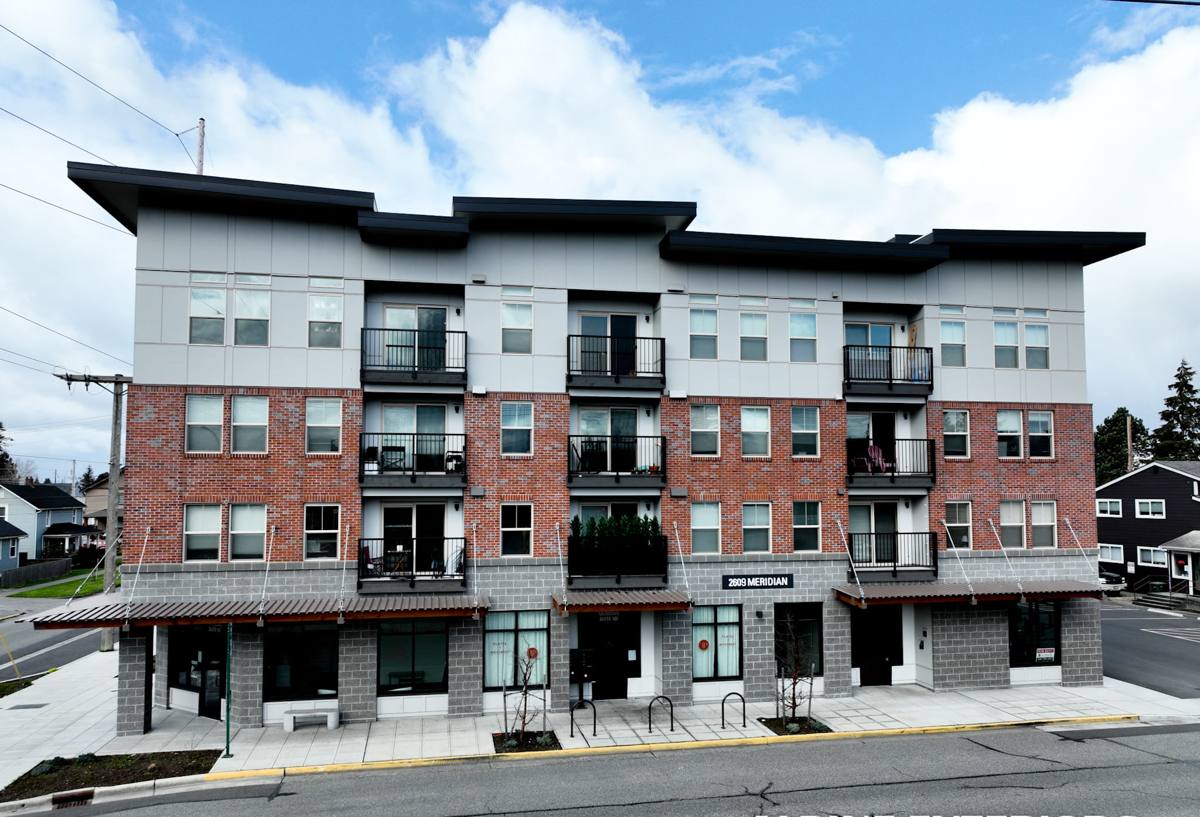
What Salt Air, Driving Rain, and Moss Actually Do to a Wall
Salt Air
Airborne salt is corrosive to fasteners, flashing, and any exposed metal trim, and it accelerates the breakdown of coatings that aren't formulated to resist it. Paint film on wood or engineered wood siding chalks and fades faster near the water. Salt also holds moisture against a surface longer than plain humidity does, which keeps siding damp on days that would otherwise dry out fine.
Driving Rain
Wind off the water doesn't let rain run straight down a wall — it pushes water sideways and up under laps, trim, and butt joints. That means every seam, every piece of flashing, and every caulk line on a Lummi Nation home is doing more work than the same detail would on a home a few miles inland. Sloppy lap spacing or skipped flashing shows up here first.
Moss and Prolonged Dampness
Shade, marine humidity, and a long wet season mean moss and algae get a real foothold on north- and west-facing walls. Beyond the look of it, moss holds water against the siding surface for weeks at a time, which is exactly the condition that rots wood-based products and delaminates weaker composites from the inside out.
Why This Combination Rules Out Some Common Siding Choices
A lot of siding sold nationally is engineered for average conditions — moderate rain, moderate sun, no salt. Lummi Nation isn't average. Wood-based composites and primed wood products depend on an intact paint film to keep water out; once salt air and moss wear that film down, the substrate underneath starts absorbing moisture and swelling. Vinyl handles moisture fine but flexes and can crack in the wind exposure common along the water, and its seams and trim rely entirely on caulk staying perfect in a climate that's hard on caulk.
Fiber cement doesn't have a wood core to swell, and it isn't a thin plastic shell that flexes in wind. That's the baseline reason we standardized on it — not because other products are junk everywhere, but because this specific stretch of coastline exposes their weak points faster than a manufacturer's general warranty language accounts for.
Why James Hardie Specifically
Not all fiber cement is engineered the same way, and the difference matters most in a marine climate.
- HZ5 climate engineering: Hardie's HZ5 product line is formulated for regions with more moisture and freeze-thaw cycling, which fits the wet, marine-influenced conditions here better than a generic national spec.
- ColorPlus factory finish: a baked-on, multi-coat finish applied under controlled conditions holds color and resists fading and moss staining far longer than field-applied paint, and it doesn't rely on a homeowner repainting on schedule.
- Non-combustible core: not a coastal-specific benefit, but a real one — fiber cement doesn't feed a fire the way wood-based sidings can.
- Rigid, dimensionally stable material: it doesn't swell with moisture or flex in wind the way wood composites and vinyl can, which matters directly on exposed, wind-driven walls.
- Transferable warranty backed by a large manufacturer: useful for the eventual next owner of the home, and a sign the product is built to be maintained, not replaced early.
We don't say this to knock every other product on the market in every location — plenty of siding performs fine in mild, sheltered conditions. But we install one product, we stand behind it, and Lummi Nation's exposure is exactly the kind of environment Hardie's HZ5 line was built to handle.
Comparing Common Siding Options in a Marine Climate
| Material | Moisture Behavior Near Water | Salt Air / Coating Durability | Maintenance Burden |
|---|---|---|---|
| James Hardie fiber cement (HZ5) | Rigid, non-swelling, engineered for wetter climates | Factory ColorPlus finish resists fade and moss staining | Low — no repainting cycle required |
| Wood-based composite / primed spruce | Absorbs moisture once paint film wears | Coating breaks down faster in salt air | High — repainting and edge sealing on a schedule |
| Vinyl | Won't rot, but can warp or crack under wind loading | Fades in UV/salt exposure over time; seams depend on caulk | Moderate — caulk and trim maintenance |
| Cedar | Natural material, needs consistent sealing to resist swelling | Weathers and grays without ongoing treatment | High — staining/sealing on a recurring cycle |
What a Correct Installation Looks Like Here
Fiber cement performs the way it's supposed to only when the details underneath it are right. In a driving-rain, salt-air environment, we pay extra attention to a few things that get skipped on lower-quality jobs:
- Weather-resistive barrier and rain screen gap: a properly lapped house wrap plus a drainage gap behind the siding lets any water that gets past the cladding drain and dry instead of sitting against sheathing.
- Flashing at every horizontal transition: window heads, trim boards, and butt joints all get flashed, not just caulked — caulk alone fails eventually, especially under wind-driven rain.
- Correct fastener spec: corrosion-resistant fasteners driven to Hardie's specified pattern and depth, since salt air is hard on hardware that isn't rated for it.
- Manufacturer-specified clearances: proper gap between siding and grade, roofing, decks, and other trim so the material isn't sitting in standing water or snow buildup.
- Factory-cut and factory-primed edges wherever possible: field cuts get sealed per Hardie's instructions so the cut edge doesn't become the weak point.
Skipping any one of these doesn't usually show up on day one. It shows up two or three wet seasons later, as moisture intrusion, staining, or premature failure at the seams — which is often more expensive to fix than it would have cost to do correctly the first time.
Our Process for a Lummi Nation Project
1. On-Site Assessment
We look at the home's specific exposure — how much direct wind and rain it takes off the water, how much shade it holds, and where the current siding or sheathing already shows signs of moisture damage or moss buildup.
2. Tear-Off and Sheathing Check
Once old siding is off, we check the sheathing underneath for rot or soft spots. Any damaged sheathing gets replaced before new siding goes on — installing new siding over compromised sheathing just hides a problem instead of fixing it.
3. Water Management Layer
House wrap, flashing, and a rain screen gap go in before a single piece of Hardie siding is installed. This layer is what actually keeps a home dry long-term; the siding is the visible shell over it.
4. Hardie Installation to Spec
Panels or lap siding go up following Hardie's published installation instructions for fastener pattern, clearances, and joint treatment — not shortcuts that speed up the job at the expense of long-term performance.
5. Trim, Caulking, and Final Inspection
Trim and caulk are the last line of defense, not the first, so they get applied correctly rather than relied on to cover for a weak water management layer underneath.
Maintenance Expectations for This Climate
One advantage homeowners notice quickly with Hardie in a wet, mossy environment: the maintenance list is short. There's no repainting cycle to keep up with the way there is on wood or primed products. That said, a few things are worth doing on a normal schedule:
- Periodically rinse off moss and algae buildup on shaded walls before it thickens, especially on north-facing sides.
- Keep gutters clear so water isn't overflowing directly onto siding runs below.
- Trim back vegetation and tree cover that keeps a wall section damp longer than the rest of the house.
- Have caulk joints at trim and penetrations checked every few years, since caulk is the one component that does wear over time even on a well-built wall.
Why Hiring a Crew That Already Works in This Area Matters
Siding installation instructions read the same everywhere, but the judgment calls — how much rain screen gap to leave, where flashing needs extra attention, which wall faces need the most moisture protection — are shaped by actually working on homes in this kind of exposure. A crew that's used to inland, sheltered lots doesn't automatically think about wind-driven rain the same way a crew that works the Whatcom County waterfront does. Familiarity with Lummi Nation's specific conditions isn't a marketing point — it's the difference between a wall that dries out between storms and one that doesn't.
If your Lummi Nation home needs new siding or you're dealing with moisture, moss, or fading on what's there now, we're happy to take a look and give you a straightforward, no-pressure estimate — no obligation, just an honest read on what your home needs.