 Ferndale Roofing
 Siding Replacement for Lummi Island Homes
Lummi Island sits right out in the weather that the rest of Whatcom County only gets in smaller doses. Homes here take a steady dose of salt-laden air off the water, wind-driven rain that finds every gap in a wall assembly, and a wet season that stretches long enough to grow moss on nearly any exterior surface that stays damp for more than a few days. Siding on the island doesn't fail because homeowners neglected it — it fails because it was never built or installed to handle this specific combination of conditions in the first place.
We're a Ferndale-based crew that works Lummi Island regularly as part of our normal service area, not as an occasional out-of-town job. That matters more here than in most places, because the island's ferry access changes how a siding job gets planned, staged, and scheduled — and a crew that's done it before doesn't waste your time or money figuring that out on your dime.
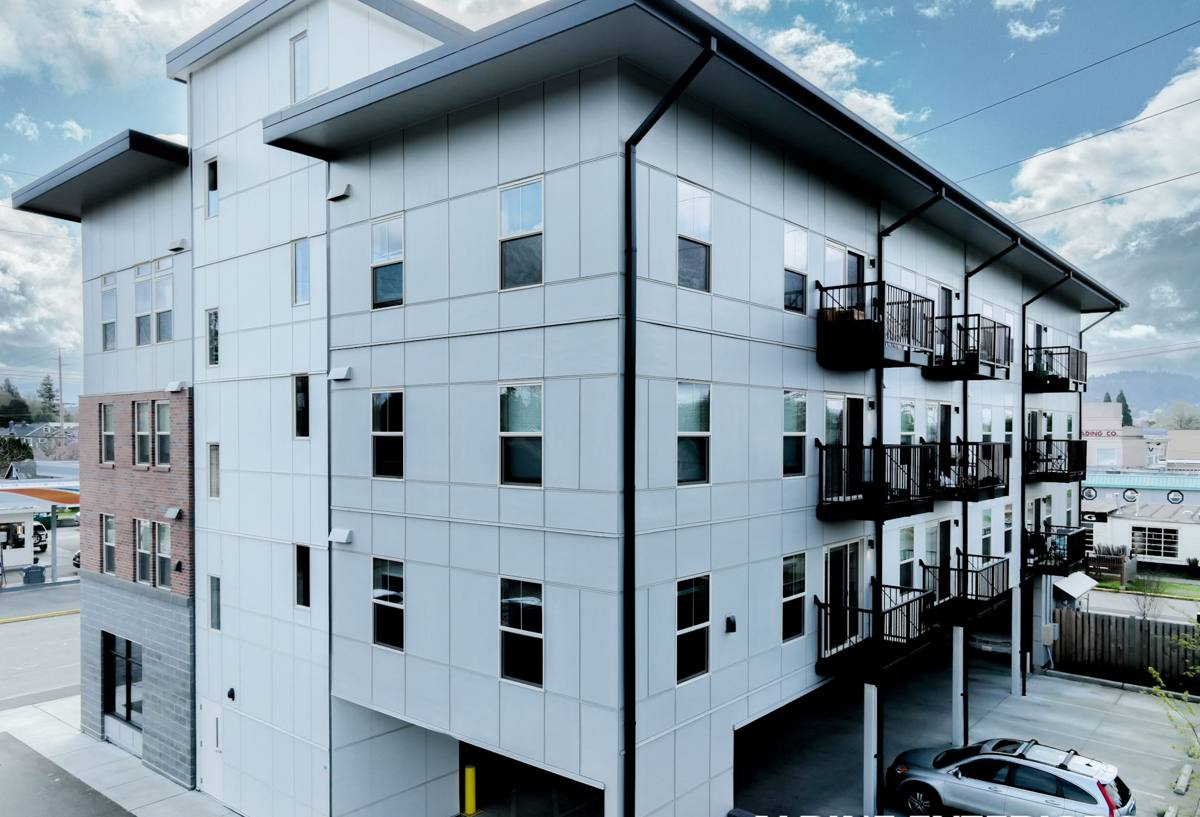
Why Siding Wears Out Faster Near the Water
Salt air and fasteners
Airborne salt doesn't just sit on the surface of a wall — it works into fastener heads, seams, and any exposed edge where two materials meet. Over years, that accelerates corrosion in lower-grade fasteners and trim hardware, and it breaks down finishes that weren't engineered to shed salt residue. This is a slow process, which is exactly why it's easy to underestimate until a wall has been dealing with it for a decade or more.
Driving rain and wind exposure
Water doesn't need to fall straight down to get into a wall — on an exposed island lot, wind pushes rain sideways and upward under laps, around window trim, and into any seam that isn't properly lapped, caulked, or flashed. A siding product and installation method that assumes gentler, more sheltered conditions will let moisture in over time even if it looks fine from the curb.
Moss, algae, and prolonged dampness
Western Washington's wet season already runs long; on the island, shaded north walls and areas with less direct sun and airflow stay damp even longer. That's ideal for moss and algae growth, which holds moisture against the siding surface and, on organic or wood-based materials, accelerates rot from the outside in.
What a Correct Siding Replacement Actually Involves
A siding replacement is not just swapping old panels for new ones. Done right, it's a full wall-assembly job:
- Complete tear-off of the old siding and inspection of the sheathing underneath for hidden rot or moisture damage
- Repair or replacement of any damaged sheathing before new material goes up — covering rot instead of removing it just hides the problem
- Installation of a proper weather-resistive barrier (house wrap) lapped correctly to shed water downward
- Correct flashing at every window, door, and roof-to-wall transition — this is where most real-world leaks start
- Proper fastening pattern and clearances (ground clearance, deck and roof clearance) so the new siding doesn't sit in standing moisture
- Factory-finished panels installed with the manufacturer's specified gaps, caulking, and touch-up so the finish performs as designed
Skipping any one of these steps is how a siding job looks good for the first year or two and then starts failing quietly behind the surface — which is the worst kind of failure because it isn't visible until the damage is already expensive.
Why We Only Install James Hardie Fiber Cement
We install James Hardie siding exclusively. We don't install vinyl, LP SmartSide, Cemplank, Allura, primed spruce, or cedar, and that's a deliberate standard, not an oversight. Each of those alternatives has real strengths, but each also has a trade-off that shows up specifically in a marine, wet-climate environment like Lummi Island:
| Material | Where it's reasonable | Trade-off in salt air and heavy rain |
|---|---|---|
| Vinyl | Low upfront cost | Can warp or crack with temperature swings and impact; seams and panels can loosen under sustained wind, letting water track behind the wall |
| LP SmartSide (engineered wood) | Workable cost, wood-look finish | Wood-strand core is vulnerable if any cut edge, seam, or fastener point isn't sealed and maintained exactly to spec — moisture intrusion leads to swelling |
| Cedar / primed spruce | Traditional look, renewable material | Organic material that needs ongoing sealing, staining, and moss/mildew treatment to resist rot in a persistently damp climate |
| Cemplank / Allura (other fiber cement) | Similar core material to Hardie | Different factory finish and warranty structure; performance depends heavily on the specific product line and installer familiarity |
| James Hardie fiber cement | Our standard for this climate | Higher material and labor cost than vinyl; must be installed to Hardie's spec to get the full warranty benefit |
James Hardie's fiber cement core is non-combustible and dimensionally stable — it doesn't expand, contract, warp, or absorb water the way wood-based or vinyl products can. The HZ5 product line is specifically engineered for wet, humid climates like ours, and the ColorPlus factory finish is baked on under controlled conditions rather than field-applied, which gives it better long-term color retention against sun and salt exposure than a job-site paint job. Hardie also backs its siding with a strong, transferable limited warranty — worth something to a future buyer if you ever sell the home. None of this means Hardie is maintenance-free, but it means the material itself isn't the weak link in the wall assembly.
How We Work on Lummi Island
Working the island well is mostly about respecting the logistics. Materials, crew, and equipment all move by ferry, which means the job schedule has to account for sailing times rather than fighting them. A crew unfamiliar with the island tends to either under-order materials and make repeat ferry trips (which burns your project timeline) or over-order and waste money on excess hauling. We plan deliveries and crew days around the ferry schedule as a normal part of estimating the job, not as an afterthought once we're already behind.
We also account for site access on the island the same way we would on the mainland — driveway and equipment access, staging area for tear-off debris, and dumpster or haul-away logistics — but we build the ferry timing into the plan from day one so it doesn't turn into a surprise delay mid-project.
What our process looks like on a typical siding job
- On-site inspection and estimate, including a look at the existing wall assembly where accessible
- Written proposal covering scope, Hardie product line and color, and realistic timeline that accounts for ferry logistics
- Material ordering and delivery scheduling coordinated around sailing times
- Tear-off, sheathing inspection and repair, weather barrier and flashing installation
- Hardie panel installation to manufacturer spec, including fastening, clearances, and joint treatment
- Final walkthrough and cleanup, including debris haul-off
Cost Factors for Lummi Island Siding Replacement
Every siding job is priced on its own specifics, but a few factors consistently move the number on island jobs more than they would on a comparable mainland job in Ferndale:
| Factor | Why it affects cost here |
|---|---|
| Ferry-dependent logistics | Material deliveries and crew scheduling are built around sailing times, which affects labor efficiency and delivery costs |
| Extent of hidden sheathing damage | Salt air and driving rain can cause moisture damage behind old siding that isn't visible until tear-off begins |
| Wall height and wind exposure | More exposed elevations may need additional flashing detail and fastening attention |
| Existing siding removal and disposal | Full tear-off and haul-away adds labor and disposal cost versus a simple overlay (which we don't recommend on a wall with underlying moisture risk) |
| Trim, corners, and detail work | Homes with more window trim, corner boards, and architectural detail require more precise cutting and fitting time |
We give a written, itemized estimate before any work starts so you know exactly what's driving the price on your specific home.
Signs Your Lummi Island Home Needs New Siding
- Visible cracking, warping, or buckling panels, especially on wind-exposed walls
- Soft spots or give when you press on the siding near the base of the wall
- Persistent moss or dark staining that keeps returning after cleaning
- Peeling or chalking paint that needs repainting more often than every few years
- Visible gaps, separated seams, or missing caulk around trim and window edges
- Musty smell or visible moisture staining on interior walls that back up to exterior siding
Any one of these on its own might just need a repair. Several at once, especially on a home more than 15-20 years old, usually points to a wall assembly that's reached the end of its useful life rather than a spot-fix.
Maintenance Expectations After Replacement
James Hardie siding, installed correctly, is low-maintenance compared to wood or vinyl, but "low-maintenance" doesn't mean "no maintenance" in this climate. Plan on an occasional gentle wash to keep salt residue and early moss growth from building up, periodic visual checks of caulking at trim and window edges, and prompt attention to any impact damage so it doesn't become an entry point for moisture. This is a fraction of the upkeep that cedar or primed wood siding demands, but it's still real upkeep — anyone who tells you any siding product is maintenance-free on Lummi Island isn't being straight with you.
Why Hiring a Crew That Already Works the Island Matters
Siding is only as good as its installation, and installation quality on the island is affected by things a mainland-only crew won't have already worked through: ferry-based delivery timing, realistic day-count estimates that account for sailing schedules, and familiarity with how exposed, wind-driven-rain conditions on the water differ from a sheltered inland lot. A crew that's already done the logistics planning gets your job done in the timeline they quote you, instead of discovering the ferry schedule mid-project and adding days you didn't budget for.
If your Lummi Island home's siding is showing its age, or you just want a straight answer on whether it needs replacing versus repair, we're happy to take a look. Reach out for a free, no-pressure estimate — there's a form right below to get started.