 Ferndale Roofing
 Fiber Cement Siding Built for Lummi Island's Exposure
Lummi Island sits out in Hale Passage, reachable only by a short ferry crossing from Gooseberry Point near Ferndale, and that setting shapes what a home's exterior deals with year-round. Homes here sit closer to open saltwater than almost anywhere else in Whatcom County, and that means a steadier, heavier dose of salt-laden air, wind-driven rain that comes in sideways off the water, and a moss season that lingers on shaded walls for most of the year. Siding that would hold up fine on a sheltered inland lot can start showing its age fast out here if it isn't matched to what island exposure actually does to a wall.
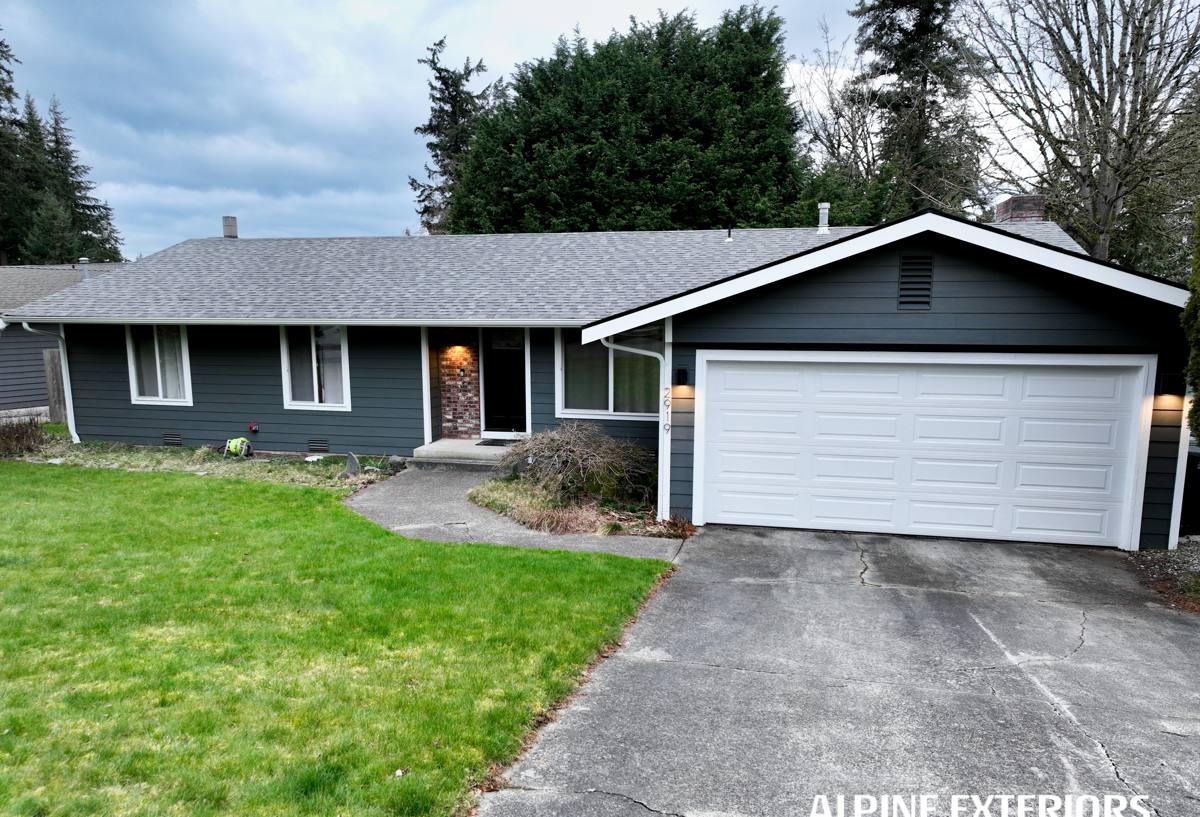
We install James Hardie fiber cement siding exclusively, and for island homes specifically, it's the material we recommend without hesitation. This page focuses on that one service — fiber cement siding for Lummi Island properties — because the material choice and the installation detail matter more here than almost anywhere else we work.
What Island Exposure Does to Siding
Salt Air, Closer and More Constant
Every property on Lummi Island is close to saltwater by definition, and that proximity means salt-laden air isn't an occasional weather event — it's a constant condition. Salt speeds up corrosion in fasteners, flashing, and hardware, and it breaks down lower-grade paints and finishes faster than a drier inland climate ever would. Siding and trim chosen without that in mind tend to show it early: chalky finishes, rusting nail heads, and edges that fail years ahead of schedule.
Driving Rain With Nothing to Slow It Down
An island has no inland windbreak. Weather systems moving through the Strait and Georgia Basin hit island homes with less buffering than a typical mainland lot gets from trees, hills, or neighboring development. That means wind-driven rain gets pushed into lap joints, trim seams, and any gap where flashing isn't doing its job, harder and more often than a simple rainfall total would suggest.
A Moss Season That Runs Long
Tree cover, shaded north-facing walls, and near-constant moisture add up to a moss and mildew season that stretches through most of the year on parts of the island. It shows up first in the shade, and it's more than cosmetic — sustained organic growth holds moisture against the wall assembly, which is exactly the condition that leads to rot behind the siding if it isn't addressed.
Why We Install Only James Hardie Fiber Cement Here
We used to install a wider range of siding products. We narrowed to one system after watching, repeatedly, which materials actually held up under sustained coastal exposure and which ones quietly failed a few years in. For island properties, the case for fiber cement is about as strong as it gets anywhere in our service area.
- Non-combustible core: fiber cement doesn't feed a fire the way wood-based siding can, which matters for household safety and insurance underwriting alike — a real consideration on a property with a longer emergency response time than a mainland lot.
- Factory-applied ColorPlus finish: the color is baked on under controlled conditions rather than brushed on in the field, so it holds up against salt exposure and UV far longer than site-applied paint.
- Climate-engineered HZ5 formulation: Hardie's HZ5 product line is built for regions with heavy, sustained moisture exposure and freeze-thaw cycling, which is a close match for a home with open-water exposure on most sides.
- Dimensional stability: fiber cement doesn't swell, cup, or warp the way engineered wood siding can after repeated wet-season moisture cycles.
- Strong transferable warranty: Hardie backs its products with a robust warranty structure, provided the installation follows spec, which gives an island homeowner real protection instead of just a manufacturer's marketing claim.
We don't install LP SmartSide, vinyl siding, Cemplank, Allura, primed spruce, or cedar. Each has a place in the broader market and plenty of satisfied owners in calmer conditions. But on an island with this much sustained salt and wind exposure, we made a professional call that one system we trust completely is worth more than a cheaper option that quietly pushes maintenance risk back onto the homeowner.
How the Alternatives Actually Perform Out Here
| Material | How It Typically Holds Up on an Exposed Island Lot |
|---|---|
| Vinyl siding | Can warp, fade, or crack under sustained salt and UV exposure; seams and J-channels give wind-driven rain more places to intrude |
| LP SmartSide (engineered wood) | Wood-strand core can swell or deteriorate if moisture gets past the coating, which happens faster under near-constant island moisture cycling |
| Cedar | Handsome, but needs regular refinishing to keep salt air and moisture from working past the finish; upkeep demands go up with this level of exposure |
| Primed spruce / other primed wood | Field-applied primer and paint wear faster in salt air than a factory finish, and the wood substrate itself is moisture-sensitive |
| James Hardie fiber cement | Non-combustible, dimensionally stable, factory ColorPlus finish resists salt and UV, engineered HZ5 line matches heavy-moisture climates |
What a Correct Installation Involves
Material choice only gets an island home halfway there. The rest comes down to installation detail: fastening patterns rated for higher wind exposure, correct clearances from grade and roofline, joints that are lapped and sealed rather than just butted together, and house wrap and flashing systems that actually do the water-shedding work instead of relying on caulk to cover gaps. On a property that takes more wind and more direct rain than most mainland lots, cutting corners on any of these steps shows up faster — sometimes within a single wet season.
Repair vs. Full Replacement
Not every siding issue on Lummi Island calls for a full tear-off. Storm-damaged sections or an isolated trim failure around a window can often be repaired and matched into existing Hardie siding. But when water has been tracking behind the wall for a while, or the home still has an older, non-Hardie product nearing the end of its life, patching it usually just delays a bigger job while hidden rot keeps spreading. We'll tell you which situation you're actually in rather than defaulting to whichever answer is more profitable for us.
Our Process for Island Projects
Working on Lummi Island means planning around the ferry rather than treating it as an afterthought. We build that into how we run the job:
- An in-person walk-through of the home to assess exposure, existing siding condition, and any moisture damage before we quote anything
- A written estimate that accounts for ferry scheduling in the project timeline, so there are no surprise delays once work starts
- Material staging planned in advance, since running back and forth for a forgotten item costs real time on an island job
- A crew that treats the crossing as a normal part of the day, not a reason to rush the installation detail once we're on-site
Maintenance a Lummi Island Homeowner Should Expect
- Rinse siding periodically to clear salt residue, especially on walls facing open water
- Keep an eye on shaded, north-facing sections where moss and mildew take hold first
- Have caulking and sealant at trim joints and penetrations checked every few years, since this is where wind-driven rain finds its way in first
- Keep gutters clear so overflow doesn't run down the face of the siding and accelerate staining
- Address any soft spots, cracked boards, or lifted trim promptly rather than waiting for the next wet season
Cost Factors for Fiber Cement Siding on Lummi Island
| Factor | What It Affects | Why It Matters Here |
|---|---|---|
| Ferry-dependent scheduling | Project timeline and crew logistics | Crossings run on a schedule, so trips and material deliveries need to be planned rather than improvised |
| Distance from open water | Salt and wind exposure level | Shoreline-facing walls see faster material degradation and higher wind loads than more sheltered spots on the island |
| Tear-off vs. overlay | Labor scope and substrate access | Tear-off reveals hidden moisture and rot damage that's common under older siding on exposed lots |
| Substrate condition | Repair costs before new siding goes on | Long-term trapped moisture can rot sheathing and framing behind failing siding |
| Site access | Labor time and equipment needs | Island lots can have limited access, steep driveways, or tight staging areas that add setup time |
Exact costs depend on the specific property and its exposure, which is why we walk the home in person before giving a real number instead of quoting off a generic price sheet.
Why Hiring a Crew That Already Works Lummi Island Matters
A contractor who already builds ferry logistics into their scheduling isn't guessing at what an island project requires — they've done it enough times to plan around it instead of discovering the problem mid-job. That same local, hands-on experience carries over into the actual installation: knowing which wall orientations stay wet longest on an exposed lot, where extra flashing attention actually pays off, and which fastening details are worth the added time so a homeowner isn't dealing with a callback after the next winter storm. Lummi Island sees a heavier version of the same salt air, driving rain, and moss-season challenges that show up across the rest of Whatcom County, and a crew with real island experience treats that difference seriously instead of applying a one-size-fits-all approach built for a calmer inland site.
If your Lummi Island home needs new siding, a repair, or just an honest second opinion on what's actually happening behind an aging wall, we're glad to take a look. Reach out using the form below to schedule a free, no-pressure estimate.