 Ferndale Roofing
 Decks Near the Water Wear Out Differently
Sandy Point sits close enough to the water that every deck out here is dealing with a different set of problems than a deck built a few miles inland in Ferndale proper. Salt-laden air corrodes metal faster, wind off the water drives rain sideways into framing and ledger connections that a sheltered deck would never see, and the long, damp Whatcom County winters keep everything shaded green with moss and algae for months at a time. A deck built to a generic spec, without accounting for that combination, tends to show problems years before it should.
We're not guessing at what that looks like — we've replaced and repaired decks throughout Sandy Point and know which parts of a deck fail first out here, and why. This page covers what a proper deck replacement looks like for this specific area, not a copy-paste version of what we'd tell someone building a deck in a dry climate.
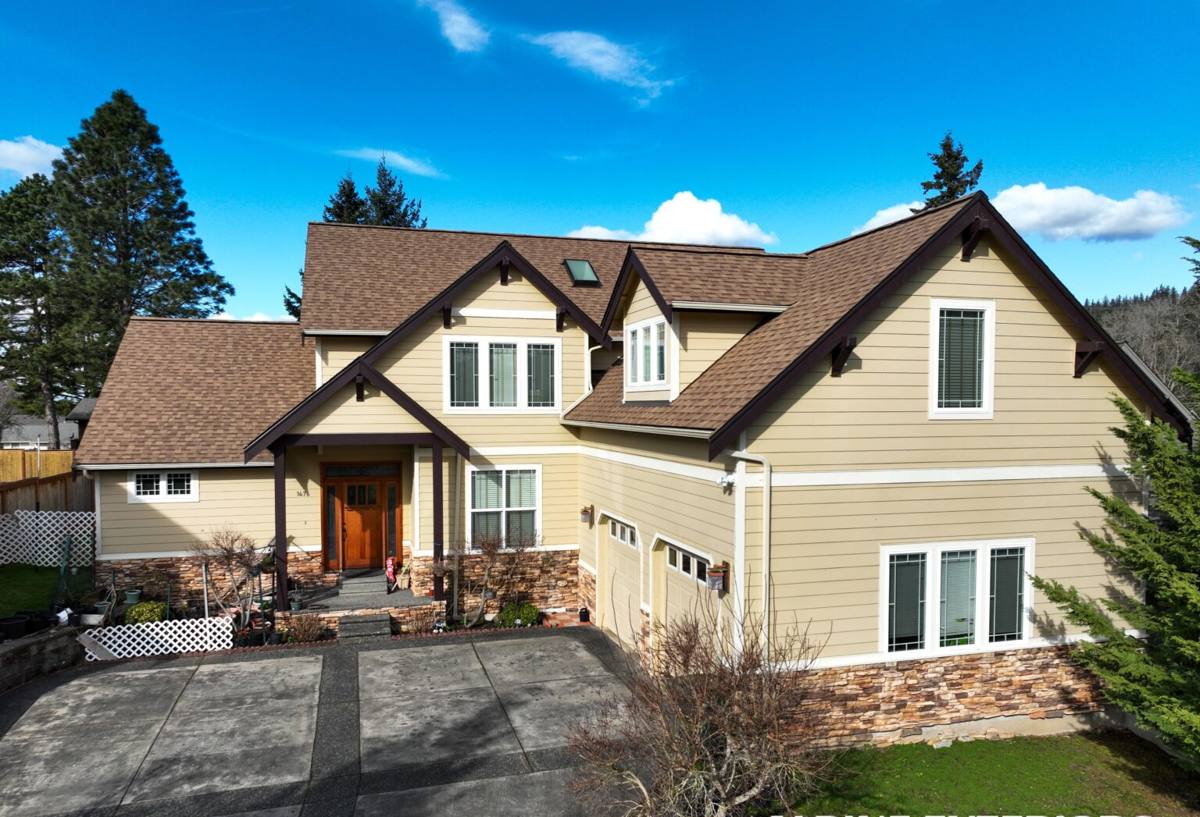
Signs a Sandy Point Deck Needs Replacement, Not Just Repair
Homeowners often call us after noticing one soft board and assume it's a small fix. Sometimes it is. But in a salt-air, high-moisture environment, one visible problem is frequently a sign that the structure underneath has been quietly failing for a while. Here's how we tell the difference.
Framing and Structural Signs
If the ledger board (where the deck attaches to the house), the main support beams, or multiple joists show soft spots, rust staining, or movement when you walk near the edge, that's a structural issue — not a cosmetic one. Spot-replacing boards over compromised framing just hides the problem for another season.
Surface and Fastener Signs
Widespread cupping, splintering, or graying across the whole deck surface (rather than one or two boards) usually means the decking material itself has reached the end of its service life. Fastener heads that are rusted, popped up, or leaving black streaks down the boards are also a sign the original hardware wasn't rated for this environment.
Moss and Drainage Signs
A deck that stays wet and mossy for weeks after every rain — even in spots that get some sun — usually has a drainage or ventilation problem underneath, not just a surface-cleaning problem. That trapped moisture is what accelerates rot in the framing below.
What a Correct Deck Replacement Involves Here
A deck replacement isn't just pulling up old boards and screwing down new ones. Done correctly for a coastal, high-moisture area like Sandy Point, it involves several layers most homeowners never see once the project is finished.
Ledger Flashing
The ledger board connection to the house is one of the most common failure points on any deck, and it's especially important here because wind-driven rain gets pushed into gaps that would stay dry in a more sheltered location. Proper flashing and waterproof membrane at this connection keep water from tracking into the house's rim joist and wall framing.
Framing and Fasteners Rated for the Environment
Joists, beams, and posts need to be either naturally decay-resistant or properly treated, and every connector — joist hangers, hurricane ties, structural screws — needs to be rated for corrosive or coastal exposure, not standard interior-grade hardware.
Drainage and Airflow Underneath
Low decks built tight to the ground, or decks with poor grading underneath, trap moisture and stay damp long after a storm passes. A correct rebuild accounts for airflow and water runoff below the deck surface, not just what's visible on top.
Decking Material Suited to Salt Air
Not every decking product handles a marine-adjacent environment the same way. This is worth walking through in more detail, since it's one of the biggest decisions in the project.
Comparing Decking Materials for a Coastal Property
There's no single "best" decking material — it depends on how much maintenance you're willing to do, your budget, and how much you value low upkeep versus the look of natural wood. Here's an honest comparison based on how these materials actually perform in a salt-air, high-rain climate.
| Material | Salt Air / Moisture Behavior | Maintenance | Typical Lifespan | Relative Cost |
|---|---|---|---|---|
| Pressure-treated wood | Prone to graying, splintering, and mold growth if not resealed regularly | High — annual cleaning and periodic sealing | 10-15 years | Lowest upfront |
| Cedar or other natural wood | Naturally decay-resistant but still needs sealing to resist moisture and salt exposure | Moderate to high | 15-20 years with upkeep | Mid-range |
| Composite decking | Resists moisture absorption and doesn't splinter, but can still stain or grow moss if not cleaned | Low — periodic washing | 25-30 years | Mid to high |
| PVC / capped polymer decking | Fully resists moisture absorption; best option for constant salt-air exposure | Lowest | 25+ years | Highest upfront |
We install all of these depending on what the homeowner wants, but for a property that sits right in the path of salt air and wind-driven rain, we're straightforward about the trade-offs: wood costs less to install but asks for real ongoing maintenance to hold up out here, while composite and PVC cost more upfront but hold up with far less attention. There's no wrong answer — it's about matching the material to how much maintenance you actually want to do.
Our Deck Replacement Process
Every project is a little different depending on the size and condition of the existing deck, but the general sequence looks like this:
- On-site assessment — we check the framing, ledger connection, footings, and drainage before quoting anything, since the condition underneath drives the scope more than what's visible on the surface.
- Permitting — deck replacements of most sizes require a permit through Whatcom County or the local jurisdiction, and we handle that as part of the project.
- Tear-off — full removal of the old decking and any compromised framing, ledger, or fasteners.
- Framing and flashing — new or reinforced framing, corrosion-resistant hardware, and proper ledger flashing.
- Decking installation — your chosen material, installed with fasteners and spacing appropriate for expansion, drainage, and airflow.
- Final walkthrough — we go over the finished deck and basic maintenance expectations for the material you chose.
Fasteners and Hardware: Small Parts, Big Consequences
One of the most overlooked details in a deck replacement is what's holding it together. Standard galvanized fasteners can start showing corrosion within a few years in a salt-air environment, especially where they're in constant contact with wet wood. We use stainless steel or coated fasteners rated for coastal and corrosive exposure on ledger connections, joist hangers, and structural hardware. It costs more than standard hardware, but replacing rusted fasteners later means tearing into finished decking to get at them — it's far cheaper to spec it correctly the first time.
Moss, Drainage, and Long-Term Maintenance
Whatcom County's moss season is long, and a deck that doesn't drain and dry properly will grow moss regardless of what material it's built from. A few practices make a real difference over the life of the deck:
- Keep gaps between boards clear of debris so water can drain through rather than pooling on the surface
- Trim back overhanging vegetation that keeps sections of the deck shaded and damp
- Rinse or sweep off moss and organic buildup before it has a chance to hold moisture against the surface
- Check the area underneath the deck once or twice a year for standing water or blocked drainage paths
- Reseal wood decking on the schedule recommended for the product — skipping a year matters more here than in a drier climate
Why Hiring a Crew That Already Works Sandy Point Matters
A deck built to a generic, one-size-fits-all spec can look fine the day it's finished and still start failing within a few years if it wasn't built for salt air, wind-driven rain, and a long wet season. We already know which fasteners, flashing details, and decking choices hold up out here because we've seen what happens when they don't — call-backs for rusted hardware, soft ledger boards, and moss-choked surfaces on decks that weren't built with this environment in mind. That local experience shows up in decisions you won't necessarily notice at the time, like hardware grade and flashing detail, but that determine whether the deck is still solid in fifteen years.
We also know the permitting process for this area and handle site access and logistics for waterfront and near-waterfront properties, which isn't always straightforward on every lot out here.
What to Ask Before You Hire a Deck Contractor
Whether you call us or someone else, these are worth asking any contractor bidding a deck replacement in this area:
- Are you licensed and insured to do structural deck work in Washington State?
- What fastener and hardware grade do you use for coastal or high-moisture exposure?
- Will you pull the required permit, or is that left to me?
- What does your ledger flashing detail look like, and why?
- What's the expected maintenance schedule for the decking material you're recommending?
- Do you inspect and address the framing and footings, or just replace the surface boards?
If a bid is noticeably cheaper than others, it's worth checking whether it's actually accounting for corrosion-resistant hardware, proper flashing, and framing repair — or just swapping boards on top of what's already there.
If your deck in Sandy Point is showing its age or you're planning ahead before a small problem turns into a structural one, we're happy to take a look and give you a straightforward, no-pressure estimate. Fill out the form below and we'll get back to you.