 Ferndale Roofing
 Building Decks in Everson for Whatcom County Weather
Everson homeowners ask for outdoor living space for the same reasons everyone in Whatcom County does — long summer evenings, room to grill, a place for kids or dogs to run. But a deck built here has to survive a climate that doesn't do most of the work for you. Salt-laden marine air moves through the county, driving rain soaks into any joint or fastener that isn't sealed correctly, and a long moss season coats anything that stays shaded and damp for weeks at a time. A deck that looks fine on installation day can start showing problems within a year or two if it wasn't built for this environment from the ground up.
We build and repair decks throughout the Ferndale area, and Everson jobs get the same standard: framing that sheds water instead of trapping it, materials chosen for how they actually perform here, and hardware rated for damp, marine-influenced air rather than a dry-climate spec sheet.
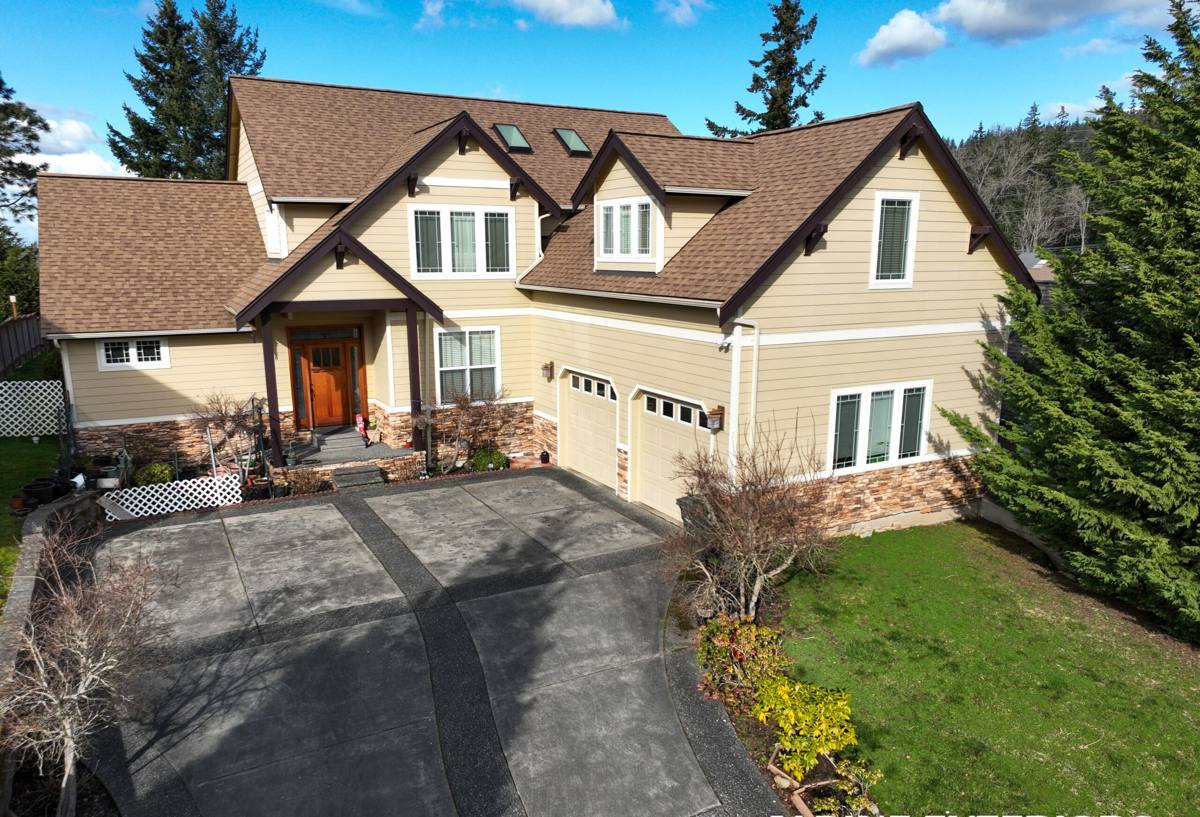
What Everson Properties Typically Need From a New Deck
Every lot is different, but a few site conditions come up again and again in this part of Whatcom County and shape how we plan a build:
- Tree cover and partial shade that keep sections of a deck damp longer after rain, encouraging moss and algae growth on the surface
- Soil that holds moisture through the fall and winter, which affects how footings need to be set and how deep they need to go
- Wind exposure that varies a lot depending on whether the deck is tucked against the house or open to a yard, which changes railing and fastener decisions
- Older homes with ledger boards or framing that were never properly flashed, which we find during tear-offs and have to correct before a new deck goes on
A site visit before we quote anything tells us which of these actually apply to your property, so the plan we hand you is built for your yard, not a generic template.
Choosing Decking Material That Holds Up Locally
The decking surface is the most visible decision and the one most affected by our climate. There's no single right answer for every project — it depends on budget, how much maintenance you're willing to do, and how much shade the deck gets.
| Material | Moisture Performance Here | Maintenance | Typical Lifespan |
|---|---|---|---|
| Pressure-treated lumber | Good if properly sealed and re-coated; can cup or check if neglected | Annual cleaning, re-sealing every 2-3 years | 15-20 years with upkeep |
| Cedar | Naturally rot- and insect-resistant, but softer surface wears faster in wet, shaded spots | Cleaning and sealing every 1-2 years to hold color and grain | 15-20 years with upkeep |
| Composite decking | Doesn't absorb water or rot, but can stay slick longer in shaded, damp areas if not cleaned | Periodic washing, no sealing or staining | 25-30+ years, manufacturer-backed |
| PVC decking | Fully moisture-resistant, best option for heavily shaded or low-airflow areas | Occasional washing only | 25-30+ years, manufacturer-backed |
For shaded lots or decks close to tree lines — common around Everson — we lean toward composite or PVC unless a homeowner specifically wants the look and feel of real wood and is prepared to keep up with sealing. Wood decking isn't a wrong choice here, but it needs an honest conversation about the maintenance schedule upfront, not a surprise two summers in.
Framing and Foundation: Where Most Deck Failures Actually Start
The decking boards get the attention, but the framing underneath is what determines whether a deck is safe and long-lasting. This is the part of the job that's invisible once it's finished, and it's also where cutting corners causes the most damage over time.
Footings and Posts
Footings need to be set to proper depth and bear on undisturbed, stable soil — not fill dirt or loose material near the surface. In areas with poor drainage or seasonally wet ground, we account for that when placing and sizing footings so the deck doesn't shift or settle over the years.
Ledger Board Attachment
When a deck attaches to the house, the ledger board connection is one of the most common failure points in older Pacific Northwest decks. It needs proper flashing to keep water from working its way behind the siding and into the wall framing, plus correctly spaced structural fasteners — not just nails or undersized screws. We flash every ledger connection as standard practice, not as an upgrade.
Joists and Airflow
Joist spacing has to match the decking material's span rating, and the space underneath the deck needs enough airflow to let framing dry out between rain events. A deck built too low to the ground, or boxed in without ventilation, holds moisture against the framing and speeds up rot — even with treated lumber.
Railings, Fasteners, and Hardware for a Damp, Salt-Influenced Climate
Hardware is an easy place to save money and a bad place to actually do it. In a marine-influenced climate, standard fasteners can corrode faster than the wood around them, leading to streaking, loosened boards, and weakened connections.
We use fasteners and structural connectors rated for exterior, corrosive-prone environments — hot-dip galvanized or stainless where it matters most, and hidden fastener systems on composite and PVC decking to avoid surface corrosion staining altogether. Railings get the same scrutiny: post connections are the structural backbone of a deck's safety, and we build them to hold up to wind loading, not just to pass a casual glance.
Permits and Building Code Compliance
Most new decks and many significant deck rebuilds in Whatcom County require a permit, with specific requirements around footing depth, railing height, guard spacing, and stair geometry. Requirements can vary depending on deck height, size, and attachment to the home, so we handle the applicable permitting and inspections as part of the project rather than leaving it for the homeowner to sort out. Skipping this step might save time upfront, but it can create real problems later — with insurance, with resale, and with safety if something wasn't built to code.
Our Deck Building Process, Start to Finish
We keep the process straightforward and communicate at each stage so there are no surprises:
- On-site visit to assess the yard, existing structure (if any), drainage, and shade conditions
- Design discussion covering layout, size, decking material, and railing style based on your goals and budget
- Written estimate with material options and a clear cost breakdown
- Permit application and submission where required
- Demolition and removal of any existing deck, done carefully to protect the yard and home
- Footings, framing, and ledger flashing, inspected before decking goes down
- Decking installation, railings, and any stairs or built-in features
- Final walkthrough and cleanup, with maintenance guidance specific to the material you chose
Maintenance That Actually Matters Through Moss Season
The single biggest difference between a deck that lasts and one that doesn't in this climate is what happens after installation. A few habits go a long way:
- Sweep off leaves and debris regularly in fall — trapped organic matter holds moisture against the surface and feeds moss growth
- Wash the deck at least once a year with a cleaner appropriate to the material; avoid pressure washing wood too aggressively, which can damage the grain
- Re-seal or re-stain wood decking on the schedule appropriate to the product, not just when it starts looking gray
- Check railing posts and stair connections annually for movement or loosened hardware
- Keep gutters and downspouts near the deck clear so runoff isn't dumping extra water onto or under the structure
Composite and PVC decking cut down on most of this list, which is part of why we recommend them for shaded, harder-to-maintain areas — but even low-maintenance decking benefits from an annual wash to stay free of moss and algae film, which can get slick underfoot.
Why It Matters to Hire a Crew That Already Works in Everson
A deck contractor who mostly works drier inland climates will make different assumptions than one who builds here regularly — about footing depth, about how much airflow framing needs, about which fasteners actually hold up. We build and maintain decks throughout Ferndale and the surrounding Whatcom County communities, including Everson, so the decisions we make on your project reflect what we've actually seen go right and go wrong on decks built in this weather, not generic manufacturer guidance written for a different part of the country.
If you're planning a new deck, replacing an aging one, or just want an honest opinion on what your current deck needs, we're glad to take a look. Reach out for a free, no-pressure estimate using the form below.