 Ferndale Roofing
 Deck Building in Cordata: Built for the Climate You Actually Have
Cordata sits close enough to the water and open enough to the weather patterns rolling through Whatcom County that a deck built to a generic spec sheet won't last the way it should. Salt-tinged air, driving rain that comes in sideways more often than straight down, and a moss season that can run eight months out of the year all work against wood, fasteners, and finishes in ways that don't show up until year three or four. A deck that looks fine the day it's finished can be hiding soft framing, trapped moisture, or corroding hardware within a few seasons if it wasn't built with this specific environment in mind.
We build decks in Cordata the way we'd want one built for our own house here — with the framing, fastener, and drainage decisions made for Ferndale's actual weather, not for a national average.
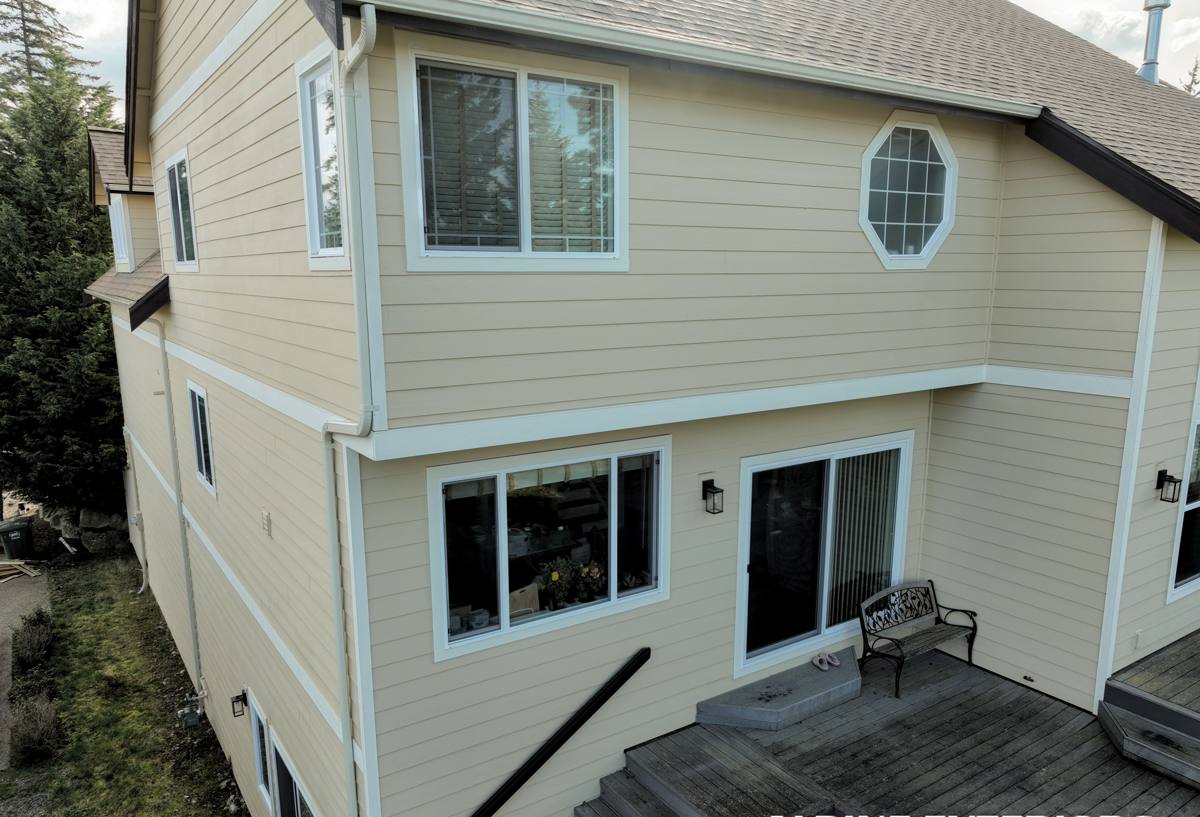
What Cordata's Climate Does to a Deck Over Time
Three things drive almost every deck failure or premature repair we see in this area:
- Moisture that doesn't fully dry out. Long stretches of overcast, damp weather mean wood surfaces stay wet longer between rain events than they would in a drier climate. Anything that traps water against a board — poor spacing, debris in gaps, ledger connections without proper flashing — accelerates rot.
- Salt-influenced air. Proximity to Puget Sound means airborne salt reaches further inland than most homeowners assume. It accelerates corrosion in fasteners, brackets, and any exposed metal hardware that isn't rated for it.
- Moss and algae growth. Shaded decks, north-facing exposures, and anything under tree cover stay damp enough for moss to establish. Moss holds moisture against the deck surface and, on stairs or walkways, becomes a slip hazard.
None of this means a deck can't last for decades in Cordata. It means the build decisions — material choice, fastener grade, spacing, drainage — have to account for these conditions from the start rather than being corrected after the fact.
Where We See the Most Repeat Problems
The failures we get called out to repair follow a pattern: decks built with standard-grade fasteners that corrode and stain the decking around them, ledger boards attached without proper flashing that let water track into the house rim joist, and decking installed tight against the house or with insufficient gapping that traps debris and moisture at the board edges. Almost all of these are avoidable with the right build details, and almost none of them are visible from the surface until the damage is already underway.
What a Correctly Built Deck Looks Like Here
Framing and Structure
Pressure-treated framing lumber rated for ground contact where posts meet grade, proper joist spacing for the decking material chosen, and structural connections made with fasteners and hardware rated for the exposure — not standard interior-grade hardware. Ledger board attachment to the house gets a dedicated flashing detail so water is directed away from the rim joist rather than into it, which is one of the most common points of hidden rot on older decks in this area.
Fasteners and Hardware
Stainless steel or high-grade coated fasteners matched to the decking material, and hot-dip galvanized or stainless structural hardware for anything load-bearing. This matters more here than in drier inland areas because of the salt content in the air. Mismatched or under-rated hardware is one of the cheapest places to cut corners and one of the most expensive to fix later, since replacing corroded fasteners often means pulling boards.
Decking Material
Composite, PVC, cedar, and pressure-treated lumber all perform differently in a wet, moss-prone climate. Composite and PVC decking resist rot and moss staining better and need less maintenance, but they come at a higher upfront cost and some products handle moisture and thermal movement better than others. Cedar and quality pressure-treated lumber cost less upfront and can look excellent, but they need regular cleaning and refinishing to keep moss and mildew from taking hold, especially on shaded sections of a deck.
Deck Material Comparison for Cordata Conditions
| Material | Moss/Moisture Resistance | Maintenance | Typical Lifespan Here |
|---|---|---|---|
| Composite/PVC decking | High — resists staining and rot | Periodic washing, no refinishing | 25–30+ years |
| Cedar | Moderate — natural rot resistance, still needs care | Annual cleaning and periodic sealing | 15–20 years with upkeep |
| Pressure-treated lumber | Moderate — treatment protects core wood | Regular cleaning, staining every few years | 15–20 years with upkeep |
Drainage and Airflow: The Details That Matter Most
A deck's ability to shed water and dry out between rain events matters as much as the material it's built from. In Cordata, where dry stretches between storms can be short, we pay close attention to:
- Proper board spacing so water drains through rather than pooling on the surface
- Joist and beam spacing that allows airflow underneath the deck rather than trapping ground moisture
- Grading and drainage at the base of posts so water doesn't collect around footings
- Keeping decking clear of siding and landscaping so airflow isn't blocked at the perimeter
Skipping any of these doesn't cause an immediate problem — it causes a slow one, which is exactly why it gets overlooked so often.
Our Process for a Cordata Deck Build
- On-site assessment. We look at sun exposure, tree cover, drainage patterns, and how the deck will tie into the house before recommending materials or layout.
- Material and design conversation. We walk through the honest trade-offs between composite, cedar, and treated lumber for your specific site conditions and budget — no pushing a product that doesn't fit the situation.
- Permitting. Deck permitting requirements vary by structure size, height, and attachment, and we handle what's needed for your project.
- Build. Proper footings, flashing at the ledger, corrosion-rated fasteners and hardware, and spacing built for drainage and airflow from the start.
- Final walkthrough. We go over the finished deck with you, including any maintenance recommendations specific to the material chosen.
Maintenance That Actually Extends a Deck's Life Here
Whatever material you choose, a few habits make a real difference in Whatcom County's climate:
- Sweep debris out of board gaps regularly, especially in fall when leaves and needles accumulate
- Clean moss and algae off the surface before it establishes a foothold, using a deck-safe cleaner rather than a pressure washer alone
- Check fastener heads and hardware periodically for early corrosion staining
- Keep gutters and downspouts near the deck clear so runoff isn't dumping extra water onto or under the structure
- Reseal or refinish wood decking on the schedule the manufacturer or we recommend — don't wait until it's visibly weathered
Why a Deck's Age and Build Quality Show Up Differently Here
A ten-year-old deck in a drier climate and a ten-year-old deck in Cordata can be in very different condition, purely because of how much moisture exposure and drying time each one gets. This is part of why we don't treat deck building as a one-size-fits-all product install. The right footing depth, the right flashing detail, the right fastener grade — these are decisions made for this specific site and this specific climate, not defaults pulled from a national building guide.
Why Hiring a Crew That Already Works Cordata Matters
A contractor who builds decks across a wide range of climates may not default to the flashing details, fastener grades, or drainage spacing that Whatcom County's conditions call for — not because they're careless, but because those details aren't second nature outside this environment. We build decks in Ferndale and the surrounding areas, including Cordata, regularly enough that the right call on materials and details isn't a special accommodation — it's just how we build here. That local familiarity shows up in fewer callbacks, fewer surprises during the build, and a deck that's built to hold up to the specific conditions it will actually face.
Questions Worth Asking Before You Hire a Deck Builder
Whoever you choose to build your deck, a few questions will tell you a lot about how they'll handle Cordata's conditions:
- What fastener and hardware grade do you use, and is it rated for coastal/salt exposure?
- How do you flash the ledger board connection to the house?
- What board spacing and under-deck airflow provisions do you build in?
- Do you handle the permitting for a project this size?
- What maintenance will this specific material need in our climate?
If you're planning a new deck or replacing an aging one in Cordata, we're happy to walk the site with you, talk through material options honestly, and put together a free, no-pressure estimate. There's a form below to get that conversation started.