 Ferndale Roofing
 Building New in Blaine Means Building for the Water
Blaine sits right against the coastline in the northwest corner of Whatcom County, close enough to the water and the Canadian border that the weather off the Salish Sea shapes nearly every exterior decision on a new build. When we install windows on new construction in this area, we're not just setting glass in a rough opening — we're setting up a barrier that has to hold against salt-laden air, sideways rain, and the kind of persistent dampness that keeps moss thriving most of the year. A window that would be perfectly fine in a drier inland climate can start showing problems in Blaine within a few seasons if it wasn't installed with this specific environment in mind.
Our crew works out of Ferndale and covers new-construction window installs throughout the surrounding area, including Blaine. That local footprint matters more than it sounds like it should — it means we're not learning the region's quirks on your project.
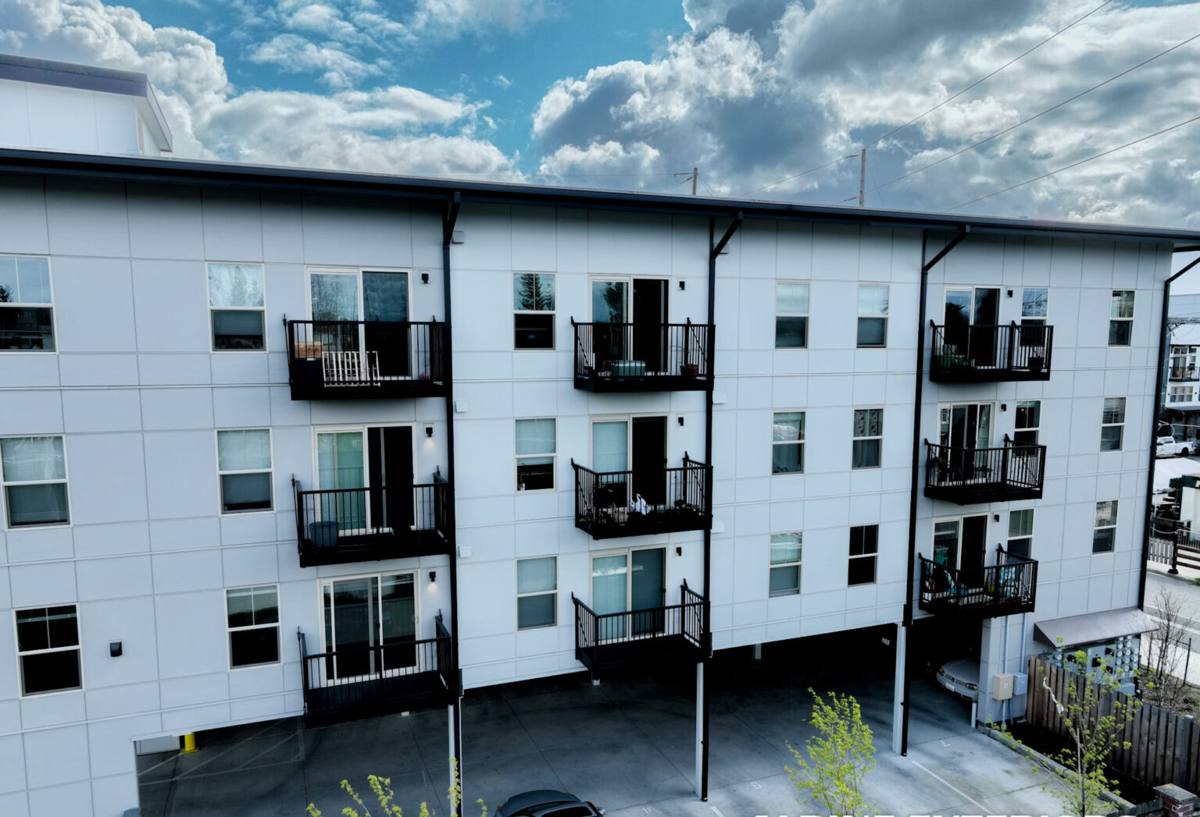
What Blaine's Climate Actually Does to a Window Over Time
Salt Air
Coastal air carries fine salt particles that settle on exterior surfaces and accelerate corrosion on anything metal — hardware, screws, hinges, and unprotected fasteners. Over years, this can pit lesser hardware finishes and, in poorly sealed installs, work its way into the frame cavity where it contributes to premature wear on components that were never rated for a marine-adjacent environment.
Driving Rain
Wind off the water doesn't let rain fall straight down — it drives it sideways into wall assemblies, which puts enormous pressure on flashing details and sealant joints. A window that's watertight in a still, gentle rain can still leak under wind-driven conditions if the flashing sequence wasn't done correctly the first time.
Moss Season
Whatcom County's long wet season keeps shaded and north-facing surfaces damp for months at a stretch, which is exactly what moss and algae need to establish. Around windows, that persistent moisture is less about the moss itself and more about what it signals: any spot on a home that stays damp that long is also a spot where trapped water can slowly compromise sealant, trim, and sheathing if drainage wasn't planned for.
What a Correct New-Construction Window Install Actually Involves
New-construction windows are installed before the exterior finish goes on, using a nailing fin that gets integrated directly into the home's water-resistive barrier. This is different from a replacement window going into an existing wall, and it's also where most long-term water problems either get prevented or get built in.
Rough Opening and Flashing
The opening needs to be sized correctly, sloped sill pans need to be set so any water that gets past the window drains back out rather than pooling, and flashing tape needs to be layered in the correct shingle-lap order — sill, jambs, then head — so water is always directed outward and down, never trapped behind house wrap.
Nailing Fin and Fastening
Fasteners need to be the type and spacing the manufacturer specifies, driven straight and snug without over-driving, which can bow the frame and cause the sash to bind or seal unevenly. In a salt-air environment, fastener material matters more than it would inland — corrosion-resistant hardware isn't optional here.
Sealant and Backer Rod
Exterior sealant is a backup to good flashing, not a substitute for it. We use backer rod and sealant rated for the movement and moisture exposure a coastal wall assembly sees, and we don't rely on caulk alone to do a flashing detail's job.
Interior Finish
Once the exterior is sealed and the siding or trim is in, interior sill and jamb finishing can proceed. Insulating the gap between frame and rough opening correctly — not overpacked, not left with voids — also affects long-term performance and condensation resistance.
Choosing a Frame Material for a Blaine Build
Every frame material handles this climate differently. There's no single "best" choice for every project — it depends on budget, the home's design, and how much long-term maintenance the owner wants to take on.
| Frame Material | Salt Air / Moisture Behavior | Maintenance | General Cost Position |
|---|---|---|---|
| Vinyl | Won't corrode; performs well against salt air and moisture when properly sealed | Low — no painting or refinishing needed | Entry to mid-range |
| Fiberglass | Excellent stability and moisture resistance; handles temperature swings with minimal expansion | Low to moderate | Mid to upper range |
| Wood-Clad | Good performance if cladding and seals stay intact; interior wood still needs protection from condensation | Higher — seals and finish need periodic attention | Upper range |
| Aluminum | Prone to corrosion in salt air unless it has a marine-grade finish; conducts cold, which increases condensation risk | Moderate to higher | Varies widely |
For most new builds in this area, we steer homeowners toward vinyl or fiberglass because they hold up to coastal exposure with the least ongoing upkeep. Wood-clad can look excellent and perform well too, but it asks more of the homeowner over the life of the window in terms of inspection and maintenance — that's a trade-off we lay out honestly rather than talk around.
Our Process, Rough Opening to Final Inspection
- Review plans and window schedule with the builder or homeowner before framing is finalized, so opening sizes and orientations are confirmed early.
- Inspect rough openings for square, level, and correct sizing before any window goes in.
- Install sloped sill pans and flashing tape in the correct sequence for the wall assembly being used.
- Set and fasten windows per manufacturer specification, checking for square and even reveal at every corner.
- Seal exterior joints with backer rod and sealant appropriate for coastal exposure.
- Insulate the frame-to-opening gap and confirm interior air sealing before drywall closes the wall up.
- Walk the finished install with the builder or homeowner, checking operation, locks, and visible sealant lines.
Why a Crew Already Working Blaine Matters
A lot of window problems on new builds trace back to a crew treating a coastal project the same as an inland one. Flashing sequences that are "good enough" in a drier climate aren't good enough here, and fastener choices that would be fine elsewhere can start corroding within a few years of salt exposure. Working regularly in Blaine and the rest of northern Whatcom County means we've already seen how these homes perform a few years after move-in, not just on install day — and we build to that standard from the start rather than learning it through callbacks.
There's also a practical side to this: a local crew shows up on schedule for a multi-trade new-construction timeline, coordinates with the builder without long lead times, and is close enough to come back for a warranty check without it being a special trip.
Mistakes We See in New-Construction Window Installs
- Flashing installed out of sequence, so water gets directed behind the barrier instead of over it
- Sill pans skipped or installed flat instead of sloped, leaving no path for incidental water to drain
- Standard hardware and fasteners used in a salt-air location instead of corrosion-resistant options
- Sealant used to compensate for a flashing detail that was never done correctly
- Frames fastened out of square, causing sash binding or uneven weatherstripping contact
- Insulation gaps left around the frame, creating cold spots and condensation risk once the home is occupied
Living With New Windows in a High-Moisture Climate
Even a correctly installed window benefits from a little homeowner attention in this climate. We tell every client the same thing: check exterior sealant lines once a year, especially after the wettest months, and keep an eye on any trim or siding directly around the window for early signs of moss growth or discoloration, since that's often the first visible clue that moisture is lingering somewhere it shouldn't. Rinsing accumulated salt film off exterior frames and hardware periodically, especially on window-facing exposures toward the water, also helps hardware finishes last as long as they're rated to.
Before you sign off on a new-construction window package, it's worth confirming a few things directly with whoever is installing them:
- What flashing sequence and materials will be used at the sill, jambs, and head
- Whether sill pans are sloped and how drainage is handled if water gets past the sash
- What fastener and hardware material is specified, and whether it's suited to coastal exposure
- What warranty covers the installation itself, separate from the manufacturer's product warranty
- Whether the crew has worked on homes in Blaine or similarly exposed coastal sites before
If you're planning a new build in Blaine and want windows installed by a crew that already knows what this stretch of coastline demands, we're happy to walk the plans with you and put together a free, no-pressure estimate — just fill out the form below.