 Ferndale Roofing
 Board & Batten Siding in a Tough Coastal Climate
Board and batten has become one of the most requested siding profiles for homes in and around Blaine, and it's easy to see why. The vertical lines, deep shadow reveals, and clean modern-farmhouse look pair well with the mix of waterfront properties, ranch homes, and newer builds you'll find in this corner of Whatcom County. But board and batten is also a style that punishes shortcuts. Every vertical board, every batten strip, and every seam is a place where wind-driven rain and salt-laden air can find a way in if the installation isn't done correctly. In a climate like Blaine's, that's not a hypothetical — it's the everyday condition the siding has to perform in.
This page focuses specifically on board and batten siding for homes in the Blaine area: what the local climate demands from this profile, what a correctly built assembly actually looks like, and why we install it in James Hardie fiber cement only.
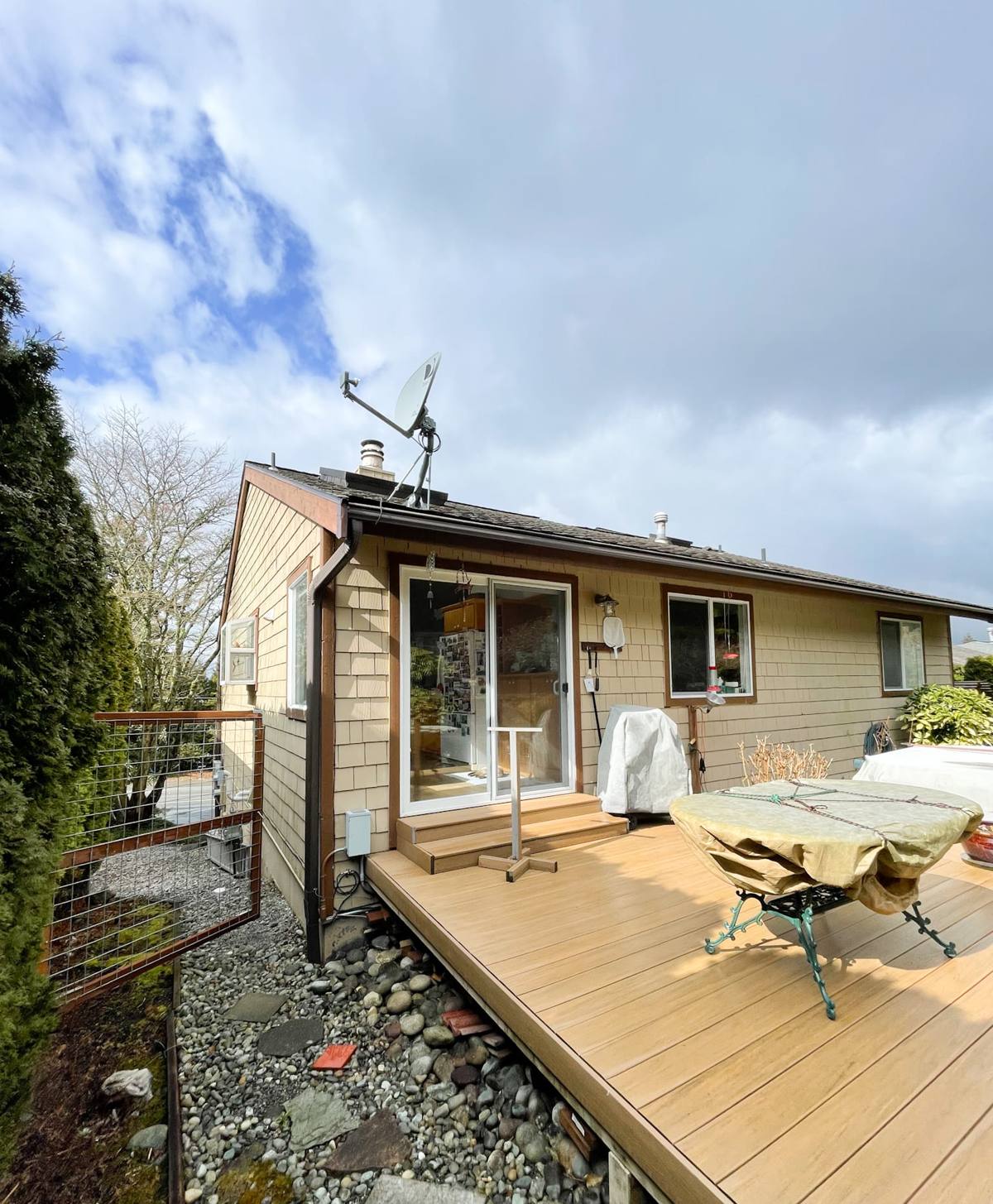
Why Blaine's Climate Is Hard on Board & Batten Siding
Blaine sits close enough to the water that salt-bearing air is a constant, low-level presence on exterior building materials. Combine that with the driving rain that blows in sideways during Whatcom County's wet season, and a long stretch of the year when shaded, north-facing walls barely dry out between storms, and you have a set of conditions that expose weaknesses in siding fast.
Salt Air
Airborne salt accelerates corrosion on fasteners and metal flashing, and it leaves a fine residue on siding surfaces that can hold moisture against the wall longer than plain rainwater would. Materials and fastening hardware that aren't rated for coastal exposure tend to show it within a few years — rust streaking at nail heads, pitting on trim fasteners, and premature finish breakdown.
Driving Rain
Board and batten's vertical seams run parallel to the direction wind-driven rain typically travels along a wall, which means those seams see real hydrostatic pressure during a storm, not just surface wetting. If the water-resistive barrier, flashing, and batten spacing aren't detailed correctly, water gets pushed past the surface layer and into the wall assembly.
Moss Season
Whatcom County's long damp season is kind to moss and algae, and shaded or north-facing board and batten walls are exactly the surfaces where growth takes hold first. Organic growth on siding isn't just cosmetic — moss holds moisture against the substrate, and on materials that aren't dimensionally stable or moisture-resistant, that sustained dampness is what eventually leads to swelling, softening, or rot.
What a Correct Board & Batten Installation Actually Involves
Board and batten looks simple from the street, but the assembly behind it is more demanding than a standard lap siding job. A correct installation in a climate like Blaine's includes:
- A continuous water-resistive barrier installed shingle-style so every layer sheds water downward and outward
- A drainage gap (rain screen) behind the siding so any moisture that does get past the surface has somewhere to go and can dry out
- Corrosion-resistant fasteners rated for coastal or marine exposure, driven to the manufacturer's specified pattern and depth
- Properly flashed window and door openings, with head flashing that directs water out and away rather than behind the trim
- Correct batten spacing and fastening so panels can expand and contract without buckling or working the fasteners loose
- Sealed and back-primed cut ends, especially at inside corners and around penetrations, where exposed edges are most vulnerable
Skip any one of these steps and the siding may look fine for a season or two before the underlying problems show up — usually as staining, soft spots, or paint failure at the seams first.
Why We Only Install James Hardie for Board & Batten
Board and batten can be built out of several different materials, and we've made a deliberate decision to install only James Hardie fiber cement for this profile. That's not a marketing position — it comes down to how each material actually holds up once it's on a wall facing salt air and driving rain year after year.
| Material | How It Performs in This Climate | Why It's Not What We Install |
|---|---|---|
| Solid wood (cedar, primed spruce) | Attractive initially, but absorbs moisture at seams and end cuts | Needs frequent refinishing; prone to rot and insect damage in sustained damp conditions |
| Vinyl | Low upfront cost, but limited in profile depth and rigidity | Can warp or fade; doesn't hold the crisp shadow lines board and batten depends on |
| Engineered wood (LP SmartSide) | Wood-based composite with an engineered strand core | Core material is still wood-based and moisture-sensitive at cut edges and fastener points over time |
| James Hardie fiber cement | Non-combustible, dimensionally stable, engineered for wet climates | Standard we install — holds paint/finish, resists moisture-driven swelling and rot |
James Hardie's HZ5 product line is specifically engineered for wet, marine-influenced climates like ours, which matters directly in a place like Blaine. Fiber cement doesn't swell, delaminate, or feed rot the way wood-based products can, and it carries a factory-applied ColorPlus finish that's baked on to resist the fading and chalking that raw-cut or field-painted materials experience faster in salt air. We also stand behind our installation with a workmanship warranty, and Hardie backs the product itself with a strong transferable warranty — the kind of combined protection this climate actually calls for.
Our Board & Batten Process for Blaine Homes
Because we already work in this area regularly, our process is built around what we consistently see on Blaine's homes rather than a generic checklist.
- On-site assessment. We look at wall orientation, existing moisture damage, shade patterns, and how exposed the home is to prevailing wind and rain direction.
- Removal and substrate check. Old siding comes off and we inspect the sheathing underneath for rot or soft spots before anything new goes up — this step is where problems from a prior installation usually surface.
- Weather barrier and flashing. We install a continuous water-resistive barrier and flash every penetration, window, and door opening before the first board goes on.
- Rain screen and battens. A drainage gap is built in behind the siding, and battens are set with correct spacing for expansion and drainage.
- Hardie board installation. Panels are fastened to manufacturer spec with corrosion-resistant fasteners suited to coastal exposure.
- Finish detail and walkthrough. Trim, caulking, and touch-up are completed, and we walk the job with the homeowner before calling it done.
Maintenance and Longevity in Whatcom County's Coastal Air
Board and batten siding built correctly with James Hardie fiber cement isn't maintenance-free, but it's low-maintenance compared to the alternatives. Because the ColorPlus finish is factory-cured, you're not signing up for a repainting cycle the way you would with raw wood. What Blaine homeowners should still plan for:
- Periodic rinsing to remove salt residue and organic buildup, especially on shaded or north-facing walls where moss takes hold first
- A visual check of caulking at trim joints and penetrations every year or two, since caulk is the one component that ages faster than the siding itself
- Prompt attention to any gutter or downspout issues, since concentrated runoff onto a wall accelerates both moss growth and fastener corrosion
Done right, this is a siding system built to handle decades of this climate rather than just get through the first few winters looking good.
Cost Factors for Blaine Board & Batten Projects
Every home is different, but the factors that move a board and batten project's cost up or down are consistent across the homes we work on in this area.
| Factor | Why It Matters |
|---|---|
| Existing wall condition | Rot or moisture damage found during tear-off adds repair work before new siding can go on |
| Wall height and complexity | Multi-story walls, dormers, and cut-up facades take more labor and material than a simple rectangular wall |
| Trim and corner detailing | Board and batten's clean look depends on careful trim work at corners and openings |
| Panel and batten spacing chosen | Batten width and spacing affect material quantities and the overall look |
| Access and site conditions | Waterfront lots, steep grades, or limited access can affect staging and labor time |
We provide a written, itemized estimate after the on-site assessment so you know exactly what you're paying for before work begins.
What to Ask Before Hiring a Board & Batten Contractor in Blaine
Board and batten hides installation mistakes well for the first year or two, which makes vetting the contractor more important than usual. Before signing a contract, homeowners in this area should confirm:
- The contractor has installed board and batten specifically, not just standard lap siding
- They can explain their rain screen and flashing detail without prompting
- They specify fastener type and rating suited to coastal/marine exposure
- They carry proper licensing and insurance for exterior work in Washington State
- They provide a written workmanship warranty separate from the manufacturer's product warranty
- They're familiar with how local wind and rain direction affects wall exposure on your specific lot
A crew that already works regularly in the Ferndale and Blaine area will have seen how different walls on different lots hold up over time — that experience shows up in the details of the installation, not just the finished look.
If you're weighing board and batten siding for a home in Blaine, we're happy to walk the property, look at your existing siding condition, and put together a straightforward, no-pressure estimate. Use the form below to get started.