 Ferndale Roofing
 Asphalt Shingle Roofing Built for Blaine's Coastal Climate
Blaine sits right on the water, and that changes what a roof has to survive. Homes here deal with salt-laden air off the bay, wind-driven rain that comes in sideways instead of straight down, and long stretches of gray, damp weather that give moss every opportunity to take hold. An asphalt shingle roof that would hold up fine forty miles inland can fail early here if it wasn't installed with this specific environment in mind. We install and repair asphalt shingle roofing for homeowners throughout Blaine and the surrounding Whatcom County coastline, and we build every roof around the conditions it actually has to face, not generic manufacturer assumptions.
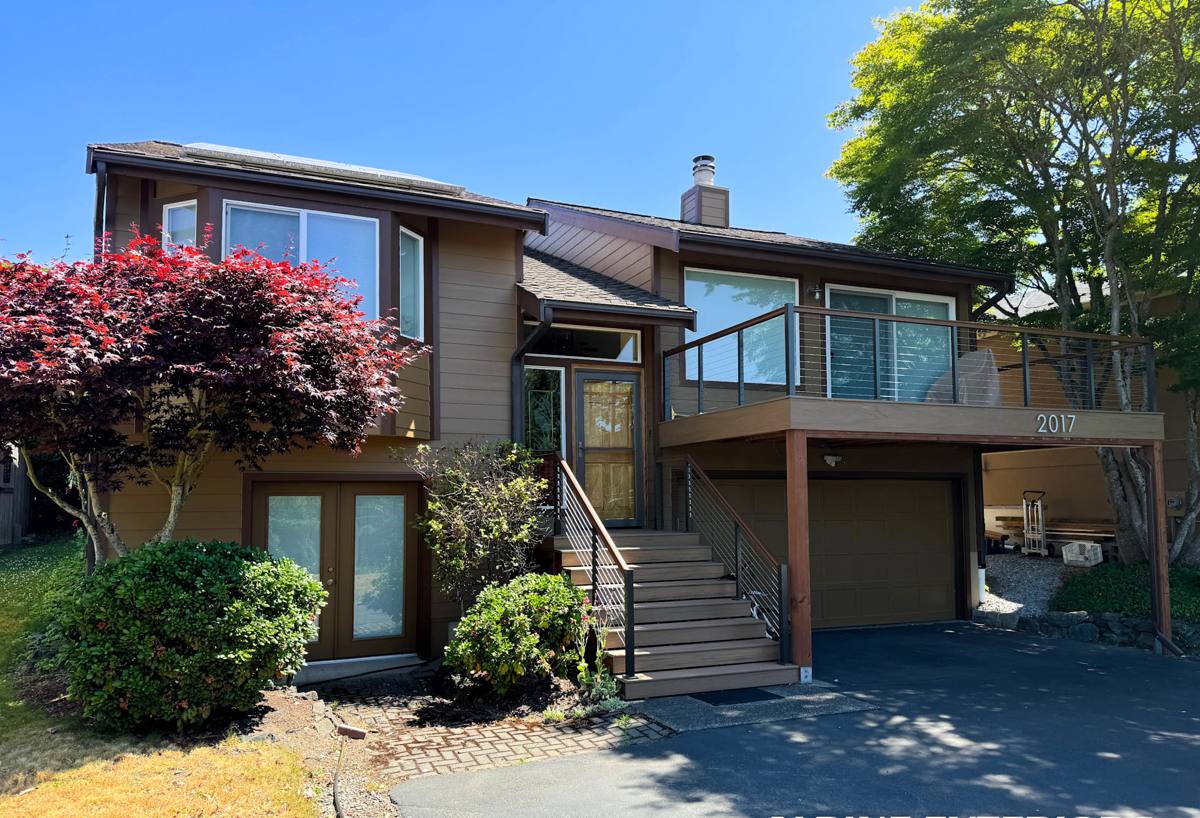
Why Salt Air and Moisture Are Harder on a Roof Than People Expect
Asphalt shingles are a durable, cost-effective roofing material almost anywhere in the Pacific Northwest, but coastal proximity adds stress that inland roofs don't deal with. Salt-carrying air accelerates the breakdown of exposed metal components — nail heads, flashing, vent housings — if they aren't fully rated for coastal exposure. Combined with near-constant moisture, this creates conditions where corrosion and moss growth can both take hold faster than manufacturer warranties typically account for.
The Three Things Working Against a Blaine Roof
- Salt air: accelerates corrosion on unprotected metal fasteners, flashing, and vent components
- Driving rain: wind-driven moisture finds gaps in poor flashing work or shallow nail placement that a straight-down rain never would
- Moss and algae: shaded, north-facing, and low-slope sections stay damp for extended periods during our wet months, giving organic growth a long runway to establish
None of these individually is unusual for Western Washington. What makes Blaine different is that all three are more intense here at once, which is why roofs installed without coastal-specific detailing tend to show problems years before they should.
What a Correctly Installed Shingle Roof Needs in This Environment
A roof that's going to hold up on a Blaine home needs more than good shingles nailed down correctly. It needs a full system built for wet, salty conditions from the deck up.
Underlayment That Does More Than the Minimum
A synthetic, high-performance underlayment matters more here than in drier parts of the state — it's the backup layer that protects the deck if wind-driven rain ever gets past the shingles themselves, which happens more often on exposed coastal lots.
Corrosion-Resistant Fasteners and Flashing
Standard galvanized fasteners can start showing rust streaks and early corrosion in salt air years before they would inland. We use fastener and flashing materials rated for coastal exposure, particularly around chimneys, valleys, and any roof-to-wall transitions where water concentrates.
Ventilation Sized for Moisture, Not Just Heat
Roof ventilation is usually discussed in terms of summer heat, but in a marine climate its bigger job is moisture control. Balanced intake and exhaust ventilation keeps the attic from trapping the humid air that feeds moss, mildew, and premature shingle aging from underneath.
Valleys and Low-Slope Sections Detailed for Standing Water
Any section of roof with a shallower pitch or a valley that collects runoff needs extra attention to underlayment overlap and flashing detail. These are consistently the first places a roof fails when it wasn't built for a wet climate, and the first places moss takes hold.
Signs a Blaine Roof Needs Attention
Because moss, corrosion, and wind-driven leaks develop gradually, many homeowners don't notice a problem until it shows up as a stain on a ceiling. Catching these signs early keeps a repair a repair, instead of letting it become a full replacement.
- Moss or dark streaking concentrated on north-facing or shaded slopes
- Granules collecting in gutters or at downspout outlets
- Shingle edges that look curled, lifted, or cracked, especially after a windstorm
- Rust staining around flashing, vent boots, or exposed nail heads
- Soft or discolored decking visible from the attic side, particularly near valleys or chimneys
- Daylight visible through the roof deck at any seams or penetrations
If any of these sound familiar, it's worth having the roof looked at before the next wet season rather than after a leak shows up indoors.
Our Asphalt Shingle Roofing Process
We keep the process straightforward and make sure every homeowner understands what's happening at each stage before we start.
1. On-Site Inspection and Honest Assessment
We walk the roof and the attic where accessible, checking deck condition, ventilation, flashing, and how the existing system has handled moisture and wind exposure. If a repair is a reasonable option instead of a full replacement, we'll say so.
2. A Written Scope You Can Actually Read
You get a clear explanation of what the job involves, what materials are being used and why, and what it will cost — no vague line items.
3. Tear-Off and Deck Inspection
Full replacements start with a complete tear-off so we can inspect the deck itself. Any water-damaged or soft sheathing gets identified and addressed before new material goes down — covering over a compromised deck just hides the problem.
4. Installation to Manufacturer Specification, Adjusted for Coastal Exposure
Underlayment, flashing, fastening patterns, and ventilation are installed to manufacturer spec as a baseline, with the coastal-specific adjustments described above layered in where the site calls for it.
5. Final Walkthrough
We walk the finished roof with you, confirm cleanup is complete, and go over care and warranty information.
Choosing Shingles for a Salt Air, High-Moss Environment
Not every asphalt shingle product performs the same way once salt air and constant moisture enter the picture. The table below outlines the general trade-offs homeowners in Blaine should weigh.
| Shingle Type | Moss/Algae Resistance | Best Fit For |
|---|---|---|
| Standard 3-tab asphalt | Baseline only; relies on cleaning and maintenance | Budget-conscious projects on well-ventilated, sun-exposed roofs |
| Architectural (laminated) asphalt | Better shedding due to thicker profile; still benefits from algae-resistant granules | Most Blaine homes — balances cost, durability, and appearance |
| Algae-resistant (AR) shingle lines | Copper or zinc granules actively inhibit algae/moss growth over time | Shaded roofs, north-facing slopes, and lots with heavy tree cover |
| Impact/wind-rated shingle lines | Varies by product; often paired with AR granules | Homes on exposed, high-wind coastal lots |
For most Blaine homes, an architectural shingle with algae-resistant granules is the practical middle ground — it costs more upfront than basic 3-tab shingles but meaningfully slows moss regrowth on the shaded sections that give this climate the most trouble.
What Affects the Cost of a Blaine Roofing Project
Every roof is different, but the same handful of factors drive most of the cost variation we see on coastal Whatcom County homes.
| Factor | Why It Matters |
|---|---|
| Roof size and pitch | More surface area and steeper pitches increase material and labor time |
| Number of valleys and penetrations | Each valley, vent, and chimney requires additional flashing detail — the areas most vulnerable to wind-driven rain |
| Deck condition underneath | Water-damaged sheathing found during tear-off adds repair scope before new roofing goes on |
| Shingle class chosen | Algae-resistant and impact-rated lines cost more per square than standard shingles |
| Site access | Steep lots, limited driveway access, or tall trees near the roofline affect staging and disposal time |
As a general range, most full asphalt shingle re-roofs on a typical single-family home run into the low-to-mid five figures, with exact cost depending heavily on the factors above. A written, itemized estimate after an on-site look is the only way to get a number specific to your roof.
Why It Matters to Hire a Crew That Already Works in Blaine
A roofing contractor's experience with Blaine's specific conditions shows up in details that aren't always obvious from the ground. Knowing which slopes on a coastal lot tend to hold moss longest, which flashing details actually stand up to wind-driven rain off the bay, and how ventilation needs to be sized for a marine climate versus a drier inland install — that comes from working this specific stretch of Whatcom County repeatedly, not from a general contractor doing one job in the area and moving on. It also means familiarity with local permitting requirements and a crew that isn't learning the coastal-specific adjustments on your roof for the first time.
Caring for Your Roof Between Inspections
Even a correctly installed roof benefits from basic upkeep in this climate.
- Keep gutters clear so water isn't backing up under the shingle edge, especially during fall and winter
- Trim back overhanging branches to reduce shade and debris buildup on moss-prone slopes
- Have moss treated or removed by a professional rather than pressure-washed, which can strip granules and shorten shingle life
- Schedule a visual inspection after major windstorms, which are common along this stretch of coastline
- Address small leaks or lifted shingles promptly — in a wet climate, small problems don't stay small for long
If your roof is showing signs of wear, overdue for replacement, or you just want an honest opinion on where it stands, we're glad to take a look. Fill out the form below for a free, no-pressure estimate on asphalt shingle roofing for your Blaine home.