 Ferndale Roofing
 Windows Built for Birch Bay's Coastline, Not a Catalog
Birch Bay sits right on the water, and that changes what a window has to survive. A few miles inland in Ferndale, a window mostly deals with rain and wind. On the bay, you add salt-laden air, near-constant humidity, and stretches of driving wind off the water that push moisture into places it was never designed to reach. Stock windows sized for a typical subdivision often don't fit the older openings common along the bay, and finishes that hold up fine inland can start showing pitting, corrosion, or seal failure years earlier out here.
"Custom" in this context isn't a marketing word. It means building or ordering windows sized to your actual openings — which on older Birch Bay homes are frequently a little different from modern standard sizes — and specifying materials and hardware that are rated to handle salt exposure and sustained moisture, not just general Pacific Northwest weather.
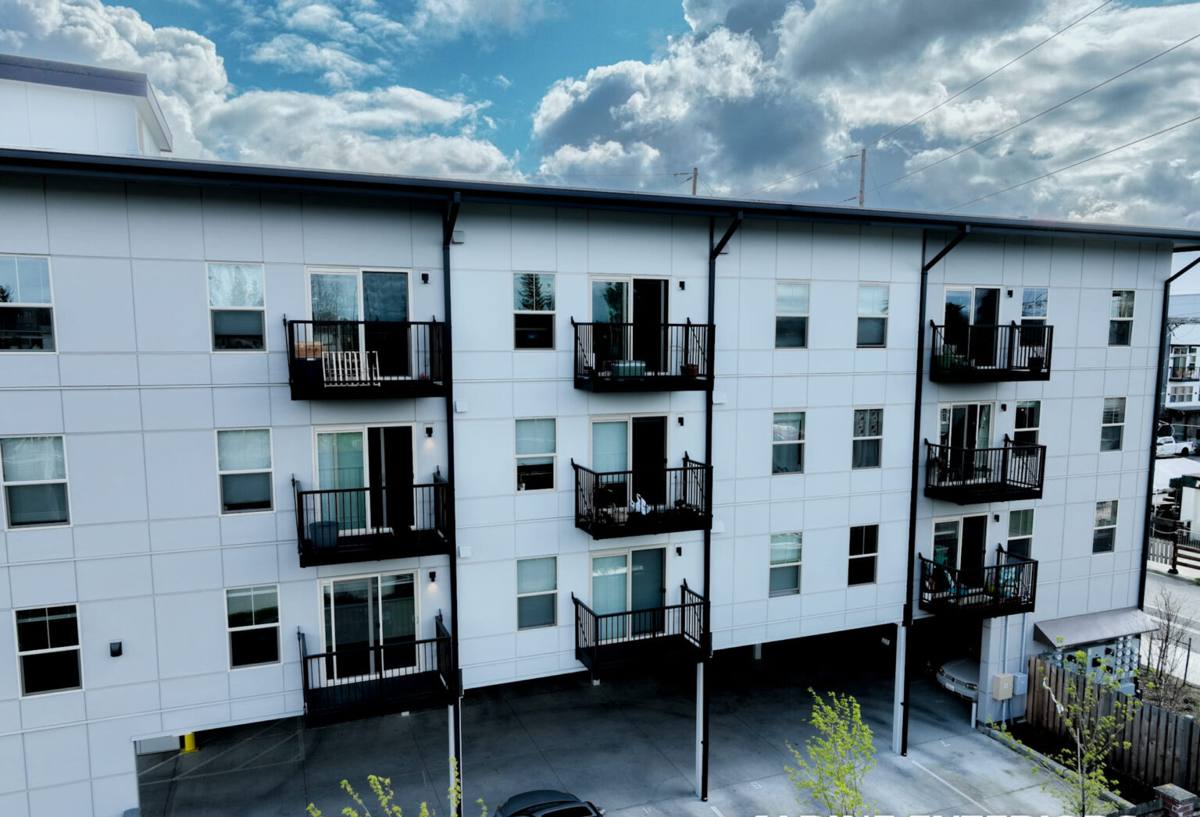
What Makes Birch Bay Different From a Typical Ferndale Job
We work all over Whatcom County, and the difference between a job three miles inland and a job on the bay is real. Homes closer to the water deal with:
- Salt-laden air that accelerates corrosion on hardware, screens, and lower-grade metal components
- Wind-driven rain that hits windows at an angle, testing flashing and sealant more than a straight-down rainstorm would
- Higher ambient humidity for more of the year, which slows drying time around frames and sills
- A longer moss and algae season on north-facing walls and shaded exteriors, which holds moisture against siding and trim longer
- In some cases, older cottage-style construction never built to current energy or moisture standards
None of this means Birch Bay homes need exotic materials. It means the details — hardware grade, sealant choice, flashing sequence — matter more here than they would on a dry inland lot, and cutting corners shows up faster.
Choosing the Right Window Material for a Coastal Property
There's no single "best" window material for every home — it depends on your budget, how exposed the home is to direct salt spray, and how much upkeep you want to do. Here's how the common options actually perform in a Birch Bay setting.
| Material | Coastal Performance | Maintenance | Typical Trade-off |
|---|---|---|---|
| Vinyl | Good moisture resistance, won't rust or rot | Low — occasional cleaning | Can look less refined on higher-end homes; quality varies a lot by manufacturer |
| Fiberglass | Excellent — dimensionally stable, handles temperature and moisture swings well | Low | Higher upfront cost than vinyl |
| Aluminum | Strong but prone to corrosion near salt air unless properly coated and maintained | Moderate to high in this environment | We're selective about where we recommend it this close to the bay |
| Wood / wood-clad | Beautiful, but wood is the most sensitive to sustained coastal humidity | High — regular inspection and finish upkeep required | Best suited to sheltered exposures, not homes taking direct salt spray |
We're honest with clients about this: a gorgeous wood window on a home that catches direct wind off the bay is going to demand more upkeep than most homeowners want to sign up for. That's not a knock on wood — it's a maintenance-burden conversation we'd rather have upfront than after a callback.
Hardware and Glass Matter as Much as the Frame
Salt air is hard on cheap hardware — hinges, locks, and cranks in lower-grade finishes can start showing corrosion within a few seasons on an exposed property. We spec corrosion-resistant hardware for Birch Bay installs as standard, not an upgrade. On glass, dual-pane with a quality low-E coating is the baseline for this climate; it helps with condensation control as much as it does with energy costs, which matters when humidity sits high for months at a time.
Sizing and Fit: Where "Custom" Actually Pays Off
A lot of older homes around Birch Bay — cottages and cabins that were expanded or converted to full-time residences over the years — have window openings that don't match today's standard sizes. Forcing a stock window into a non-standard opening usually means shimming, filler panels, or gaps that get caulked over instead of properly flashed. That's exactly where water finds its way in.
Custom sizing means we measure your actual rough openings and either order windows built to those dimensions or, where a standard size is close, modify the opening correctly rather than the window installation. The goal is a flashed, sealed assembly that sheds water the way it's supposed to — not a patch job that looks fine on install day and fails in year three.
The Installation Details That Actually Prevent Leaks
Most window failures we get called out to repair aren't the window's fault — they're an installation shortcut. In a coastal environment, the margin for error is smaller. A correct install includes:
- Removing old windows without damaging the surrounding framing or existing weather barrier
- Inspecting the opening for hidden water damage or rot before anything new goes in — common on older Birch Bay homes and something we won't paper over
- Installing flashing in the correct shingle-lap sequence so water is directed out and down, never trapped behind the window
- Using sealants and tapes rated for sustained moisture and UV exposure, not general-purpose caulk
- Shimming and securing the window plumb, level, and square — even a slightly racked frame stresses seals over time
- Insulating the gap between frame and rough opening properly, without overpacking, which can bow the frame
- Finishing interior and exterior trim so water is shed away from the new seal lines
Skip any one of these steps and the window itself — no matter how good the glass and frame are — becomes the weak point in the wall.
Our Process for a Birch Bay Custom Window Job
1. On-Site Assessment
We walk the exterior and interior of each opening, check for existing moisture damage, and talk through which rooms matter most for views, ventilation, and privacy — that's specific to how you use the home, not something we assume.
2. Measurement and Material Selection
We measure every opening individually rather than assuming uniformity, even on homes where windows look identical from the street. We'll walk you through material and glass options based on how exposed your specific walls are to wind and salt spray.
3. Ordering and Scheduling
Custom-sized windows take longer to arrive than stock sizes — we'll give you a realistic timeline upfront so there are no surprises.
4. Installation
We remove, inspect, flash, seal, and finish each opening following the sequence above, working one window at a time to keep the home weather-tight rather than opening up multiple openings at once in changeable coastal weather.
5. Walkthrough and Cleanup
We check operation on every window, clean up debris and packaging, and walk the job with you before we consider it done.
Signs Your Birch Bay Windows Need Attention
Coastal exposure tends to show problems earlier than an inland home would see them. Worth a look if you're noticing:
- Visible corrosion or stiffness in hardware, locks, or cranks
- Fogging or moisture trapped between panes — a sign the seal has failed
- Drafts or cold spots near the frame even with the window fully closed
- Paint or finish bubbling, peeling, or discoloring around the frame or sill
- Soft or discolored wood trim near the window opening
- Persistent moss or algae buildup on the sill or surrounding siding that won't stay clean
- Difficulty opening, closing, or latching windows that used to operate smoothly
Any one of these can be minor on its own, but on a bay-front home they're often early warning signs of moisture getting past the seal — worth catching before it reaches the framing.
Why a Local Crew That Already Works Birch Bay Matters
We're based in Ferndale and work Whatcom County regularly, including the homes along Birch Bay. That matters for a few practical reasons: we already know the difference between an inland install and a bay-front one, we're not guessing at what your home's exposure demands, and we're around after the job if a question comes up — not a crew that drove in from out of the area for one project and moved on. A contractor who treats every job the same regardless of location is the one most likely to under-spec hardware or skip a flashing step that doesn't matter three miles inland but matters a lot on the water.
Living With Coastal Windows: Basic Upkeep
Good installation reduces maintenance, but it doesn't eliminate it entirely in a salt-air environment. A simple seasonal routine goes a long way: rinse accumulated salt film off exterior glass and frames periodically, keep weep holes clear of debris so water can drain as designed, check hardware for stiffness before it turns into corrosion, and keep an eye on caulk lines for cracking so small gaps get resealed before they become leaks. None of this is heavy work — it's the kind of five-minute check that saves a much bigger repair down the line.
If your Birch Bay home has windows showing their age, or you're planning a renovation and want them sized and installed correctly the first time, we're happy to come take a look. The estimate is free, there's no pressure, and we'll give you a straight read on what your home actually needs — just fill out the form below to get started.