 Ferndale Roofing
 Why Birch Bay's Climate Is Tough on Siding
Birch Bay sits right on the water, which means homes here take on a combination of stresses that inland Whatcom County properties simply don't deal with. Salt-laden air drifts off the bay and settles on exterior surfaces year-round, accelerating corrosion on fasteners and trim and breaking down finishes that weren't built to handle it. Add in driving, wind-blown rain off the Strait of Georgia and a long, damp moss season that can stretch from fall through spring, and you've got a climate that punishes siding choices made for drier or more sheltered parts of the Pacific Northwest.
We've worked enough homes along this stretch of coastline to know that siding failures in Birch Bay rarely happen because a product is bad in general — they happen because a product wasn't matched to this specific exposure, or wasn't installed with the extra care that salt air and constant moisture demand.
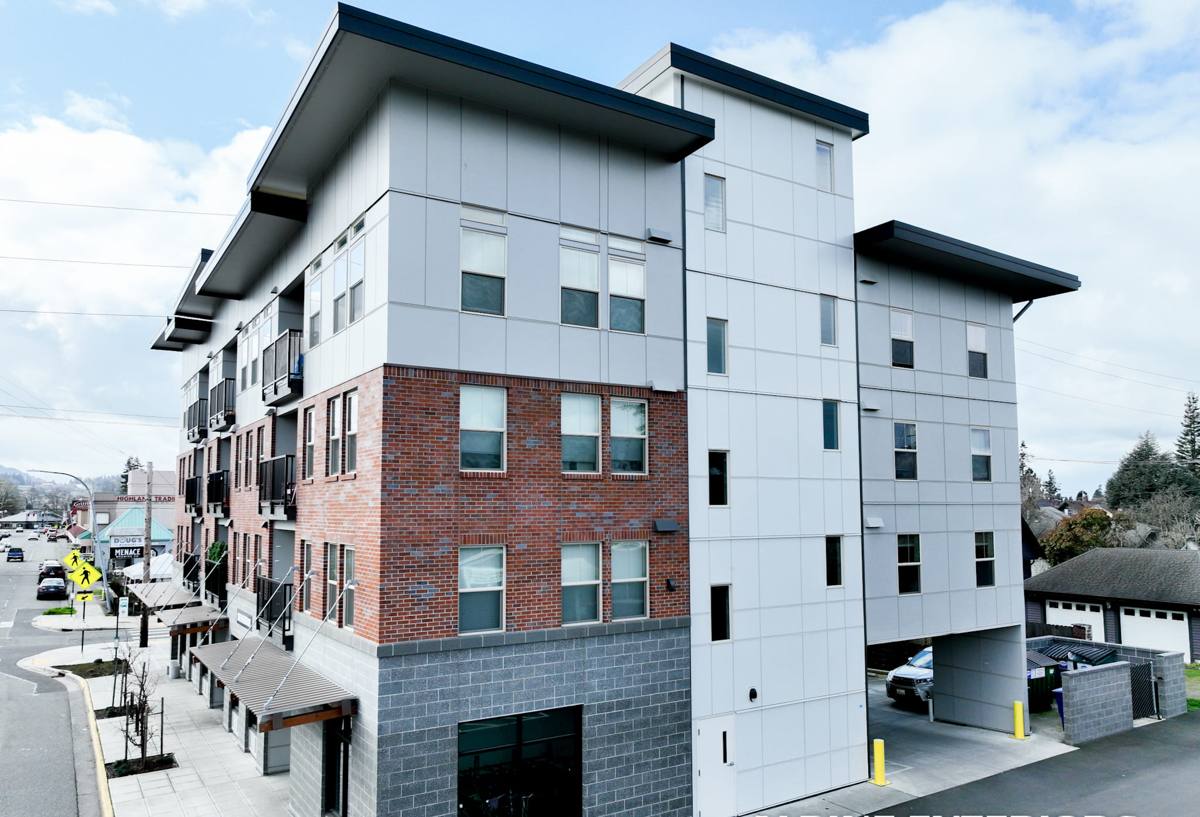
What Board & Batten Siding Is, and Why It Works Here
Board & batten is a vertical siding profile: wide flat boards installed with narrower strips (battens) covering the seams between them. It's a classic look on Pacific Northwest homes, cabins, and coastal cottages, and it holds up well aesthetically against Birch Bay's shoreline setting — the vertical lines read as clean and durable rather than fussy.
Functionally, vertical siding has a real advantage in a wet, wind-driven climate: water runs down the face of the boards rather than sitting in horizontal laps the way it can on traditional clapboard. That doesn't mean board & batten is maintenance-free, but the profile itself sheds bulk water efficiently when it's installed with correct flashing, gapping, and fastening — which is where most of the real work in a Birch Bay installation actually happens.
Where Board & Batten Makes Sense on a Birch Bay Home
- Full-facade installations on homes wanting a coastal or modern-farmhouse look
- Accent applications — gables, dormers, entry features — paired with a different siding profile below
- Additions or garages where a home's existing siding needs to be matched or complemented
- Replacement of failing cedar or engineered wood board & batten that's no longer performing in the salt air
Why We Only Install It in James Hardie Fiber Cement
Board & batten can be built out of several materials — cedar, engineered wood, vinyl, various fiber cement brands. We install James Hardie exclusively, and in a location like Birch Bay that's not a marketing preference, it's a practical one.
Fiber cement doesn't swell, rot, or delaminate the way wood-based products can when they're exposed to constant coastal moisture. It's non-combustible, which matters given the wildfire risk that has become a real consideration even in western Washington in recent dry summers. And James Hardie's ColorPlus factory finish is baked on and warranted against fading and flaking — a meaningful advantage in an environment where salt air and UV exposure both work against field-applied paint over time. We'd rather stand behind one product system we know performs in this exposure than offer a menu of options where some of them are likely to disappoint a homeowner in five or ten years.
James Hardie also engineers its HZ5 product line specifically for climates with sustained moisture exposure — the kind Birch Bay sees for a good part of the year. That climate-specific engineering, combined with a factory finish and a strong transferable warranty, is why we standardized on it rather than offering cedar, primed spruce, or vinyl alongside it.
Board & Batten vs. Other Common Siding Profiles
| Profile | Water Behavior | Best Fit in Birch Bay |
|---|---|---|
| Board & Batten (vertical) | Sheds bulk water down the face; fewer horizontal water traps | Full facades, gables, coastal-style homes |
| Lap Siding (horizontal) | Relies on lap overlap and caulking; more joints exposed to wind-driven rain | Traditional or craftsman-style homes, often mixed with board & batten accents |
| Panel Siding | Large seams need careful flashing; fewer total joints | Modern facades, secondary structures |
None of these profiles are wrong choices on their own — the right one depends on the home's style and how it's detailed. What matters more than the profile is whether the installer treats the seams, corners, and bottom edges correctly for this climate, which is true whether you're doing board & batten, lap, or a mix of both.
What a Correct Board & Batten Installation Involves
Board & batten looks simple from the street, but it has more seams and vertical joints than a lap profile, and every one of them is a potential water entry point if it's not detailed correctly. In a salt-air, high-rain environment like Birch Bay, we pay particular attention to:
Water Management Behind the Siding
A correctly built wall assembly includes a weather-resistant barrier and rainscreen gap behind the siding, giving any moisture that does get past the cladding a way to drain and dry out rather than sit against the sheathing. This matters more here than in drier parts of the state, where a wall can tolerate more forgiveness.
Fastening
Salt air accelerates corrosion on standard fasteners. We use corrosion-resistant fasteners appropriate for coastal exposure and follow James Hardie's fastening schedule exactly — proper spacing, embedment, and blind- or face-nailing per the manufacturer's specification for the board width in use. Under- or over-driven fasteners are one of the most common causes of premature siding problems.
Flashing and Trim Details
Every window, door, and roofline intersection needs flashing that directs water out and away from the wall assembly. Battens themselves need to be positioned so they don't trap water behind them at horizontal transitions.
Clearances
Siding that terminates too close to grade, a deck, or a roofline invites wicking and splash-back moisture. We maintain manufacturer-specified clearances even when it means a slightly different trim detail than what was there before.
Our Process for Birch Bay Projects
- On-site assessment — We look at the home's current siding condition, wall assembly, and specific exposure (waterfront-facing walls take more weather than sheltered ones).
- Scope and product selection — We recommend the appropriate James Hardie board width, batten spacing, and HZ product line for the home's exposure and style.
- Removal and wall prep — Old siding comes off, the wall is inspected for hidden moisture damage, and the weather-resistant barrier and rainscreen system are installed or repaired before any new siding goes up.
- Installation to spec — Boards, battens, flashing, and fasteners are installed following James Hardie's published fastening and clearance requirements, not shortcuts.
- Final detailing and walkthrough — Caulking, trim, and touch-up finish work are completed, and we walk the job with the homeowner before calling it done.
Cost Factors for a Birch Bay Board & Batten Project
| Factor | Why It Affects Cost |
|---|---|
| Wall condition underneath old siding | Hidden moisture damage or rot found during removal adds repair scope |
| Board width and batten spacing | Narrower boards mean more seams, more fasteners, more labor |
| Trim and detail complexity | Gables, dormers, and multiple roof intersections require more flashing work |
| Wall assembly upgrades | Adding or upgrading a rainscreen gap where none exists adds material and labor |
| Full facade vs. accent application | Accent-only board & batten (gables, entries) costs less than a full-home install |
We give straightforward, itemized estimates rather than vague ranges, because the honest answer depends on what we find once the old siding comes off.
Signs Your Current Siding Isn't Holding Up to the Salt Air
- Soft or spongy spots when you press on the siding, especially near the bottom courses
- Persistent moss or algae growth that returns quickly after cleaning
- Peeling, bubbling, or chalking paint, particularly on walls facing the water
- Visible rust streaking from fasteners or trim
- Gaps opening up at seams, corners, or batten joints
- Warping or cupping boards, common with wood-based products in this exposure
Any of these are worth having looked at before they turn into a wall assembly problem rather than just a siding problem.
Why Local Experience in Birch Bay Matters
A crew that mostly works inland or in drier climates can install siding correctly on paper and still miss the details that matter on a waterfront-exposed wall. Fastener corrosion resistance, rainscreen detailing, and clearance decisions all shift when a home is taking direct salt spray and driving rain off the bay for months at a time. Working this stretch of Whatcom County regularly means we're not guessing at how a wall assembly needs to perform here — we're building to what we've seen actually hold up.
If you're considering board & batten siding for a home in Birch Bay, we're happy to take a look and walk you through what your specific wall and exposure need. Reach out for a free, no-pressure estimate using the form below.