 Ferndale Roofing
 Siding Built for Bellingham's Coastal Climate
Bellingham sits right where Puget Sound weather meets the Cascade foothills, and that combination is hard on the outside of a house. Homes closer to the water deal with salt-laden air that accelerates corrosion on fasteners and trim. Homes tucked under tree cover deal with shade, moisture, and a moss season that can run eight or nine months out of the year. Add in Whatcom County's driving winter rain, which comes in sideways more often than most homeowners expect, and you have a climate that punishes any siding product with a weak point in its moisture management, its finish, or its fastening.
We're based in Ferndale and our crews work Bellingham regularly, so this isn't a page we wrote from a spreadsheet. It reflects what we actually see on Whatcom County homes: siding that failed at the bottom courses where splashback sits, paint that chalked and faded on south and west exposures, and trim boards that soaked up water at end cuts because they were never sealed. Correct siding installation in this area isn't just about the product — it's about installation details that either shed water or trap it.
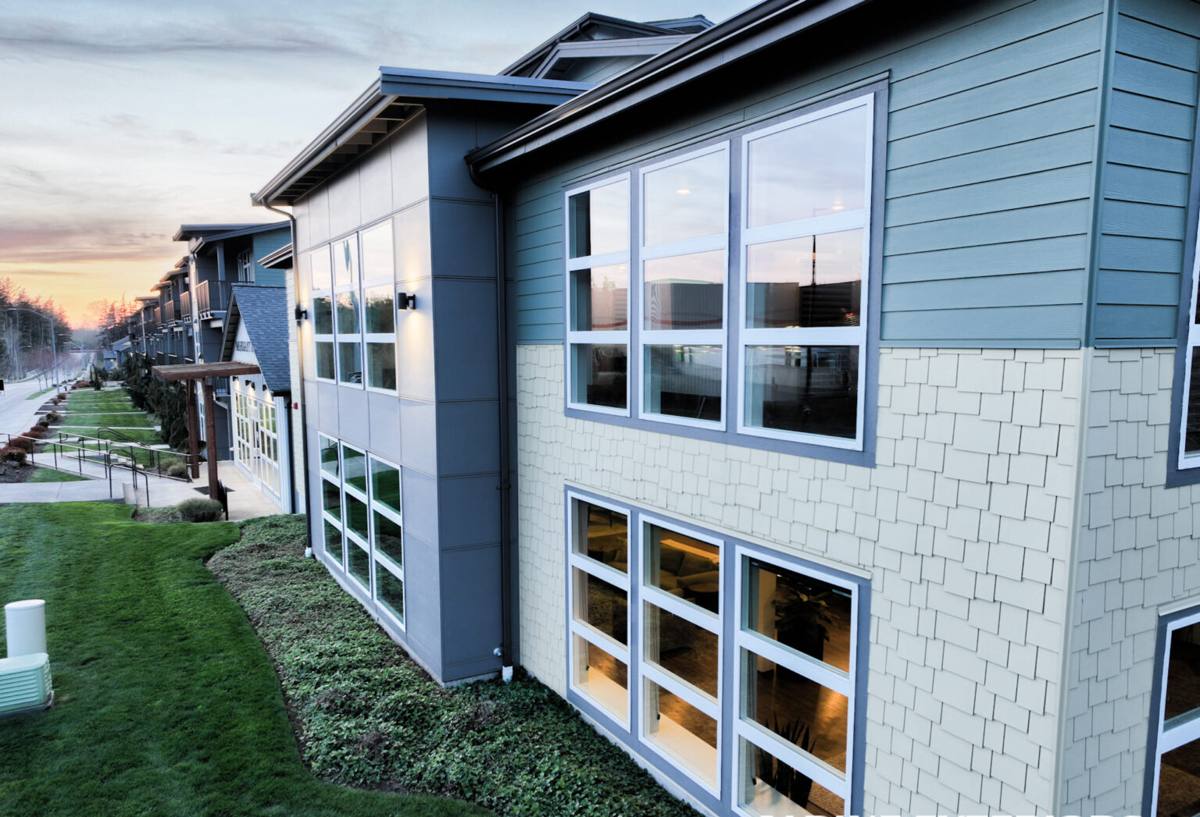
Why We Install Only James Hardie Fiber Cement
We install one siding system: James Hardie fiber cement. We don't install vinyl, LP SmartSide, Cemplank, Allura, or bare cedar or primed spruce. That's a deliberate standard, not a sales pitch, and it comes down to how each of those products behaves over a decade or two in a climate like Bellingham's.
- Vinyl expands and contracts with temperature swings, can warp or crack in cold snaps, and its color is baked into thin plastic that fades and chalks over time — there's no repainting a vinyl panel back to life.
- LP SmartSide and other engineered wood products perform well when the factory coating stays intact, but any breach — a nail pop, a cut edge, a scuff during installation — gives moisture a path into wood fiber, and wood fiber that gets wet repeatedly will eventually swell or rot.
- Cedar and primed spruce are real wood, which means real wood problems: repainting cycles, caulking maintenance, and vulnerability to the exact moss-and-moisture conditions Bellingham is known for.
James Hardie fiber cement is cement, sand, and cellulose fiber — it doesn't rot, it's non-combustible, and it doesn't feed moss and mildew the way bare wood can. The ColorPlus factory finish is baked on under controlled conditions, which gives it better fade resistance than field-applied paint and a longer real-world repaint interval. For a coastal, high-rainfall market like this one, it's the product we're willing to stand behind.
What "Climate-Engineered" Actually Means
James Hardie makes region-specific product lines, and for the Pacific Northwest that means the HZ5 line, engineered for areas with significant moisture exposure and freeze-thaw cycling. It's not a marketing label — the formulation and testing are built around exactly the wet, temperate conditions Bellingham sits in. That matters more here than it would in a dry climate, because the product spends more of the year wet than dry.
What a Correct Installation Involves
Fiber cement siding is only as good as the installation behind it. Most siding failures we get called out to inspect aren't product failures — they're installation shortcuts that let water get behind the cladding. A correct James Hardie installation on a Bellingham home includes:
- A code-compliant water-resistive barrier (weather-resistant building paper or an approved wrap) installed shingle-style so every layer sheds water downward and outward.
- Rainscreen or drainage gap detailing where conditions call for it, so any moisture that does get behind the siding has somewhere to drain and dry instead of sitting against the wall sheathing.
- Correct nailing pattern and fastener type — using fasteners rated for the exposure, not whatever is fastest to shoot.
- Proper clearance at grade, decks, patios, and roof lines, so splashback and standing water don't sit against the bottom edge of the siding.
- Sealed and primed cut edges on every field cut, since factory finish only protects the face and edges of the board as manufactured — any cut exposes raw material that needs to be treated.
- Correct flashing at every window, door, and penetration, lapped so water is directed out and away rather than trapped behind trim.
Skip any one of these and you can end up with a house that looks right for a few years and then starts showing staining, soft trim, or paint failure at exactly the joints and penetrations where water was allowed to sit.
Our Bellingham Installation Process
1. On-Site Assessment
We walk the exterior with you, looking at existing siding condition, trim and window flashing, moisture staining, moss buildup, and any areas where past patch jobs or DIY caulking are masking a bigger problem underneath.
2. Tear-Off and Sheathing Check
Old siding comes off and we inspect the sheathing underneath. This step matters more in a wet climate than people expect — if water has been getting behind the old siding, the sheathing itself may need repair before new siding goes on. Covering up damaged sheathing just hides the problem for the next owner.
3. Weather Barrier and Drainage Detail
We install the water-resistive barrier and drainage plane correctly lapped, paying particular attention to window and door openings, roof-to-wall transitions, and any areas where two roof planes meet the wall — these are the spots we see fail most often on older Whatcom County homes.
4. James Hardie Installation
Siding goes on to manufacturer spec: correct fastener spacing and type, correct clearances, sealed cut edges, and properly lapped flashing at every penetration.
5. Trim, Caulking, and Final Walkthrough
Trim boards, corner details, and caulking are finished to match the ColorPlus system, and we walk the finished job with you before calling it done.
Comparing Siding Options for a Bellingham Home
| Factor | Vinyl | Engineered Wood (LP) | Cedar / Primed Spruce | James Hardie Fiber Cement |
|---|---|---|---|---|
| Moisture tolerance | Doesn't rot, but seams and panels can trap water behind them | Vulnerable once coating is breached | Vulnerable to rot and moss without upkeep | Non-combustible, engineered for wet climates |
| Finish longevity | Fades and chalks, cannot be repainted to original look | Factory coating wears with exposure | Needs repainting/staining on a regular cycle | Factory ColorPlus finish, long repaint interval |
| Fire resistance | Melts/deforms under heat | Combustible wood fiber | Combustible | Non-combustible material |
| Typical upkeep | Low, but limited repair options if damaged | Moderate — watch for edge damage | High — regular painting and moss control | Low — occasional wash, no repainting for years |
Moss, Algae, and the Bellingham Shade Problem
A lot of Bellingham lots have mature tree cover, which is great for shade and privacy and rough on siding. Shaded walls stay damp longer after a storm, and that damp, shaded surface is exactly what moss and algae need to take hold. Fiber cement doesn't feed organic growth the way wood does, but no siding material is immune to surface growth if it never dries out. Correct installation — proper clearance from vegetation, good drainage behind the cladding, and gutters that actually direct water away from the wall — reduces how often you'll need to wash growth off the surface. We'll flag problem areas during the assessment, including any spots where trimming back vegetation or redirecting a downspout would meaningfully cut down on moss buildup.
Salt Air and Fastener Corrosion
Homes closer to Bellingham Bay and the surrounding shoreline deal with a slow, steady corrosive effect from salt-laden air. It's easy to overlook because it doesn't show up in year one — it shows up in year eight or ten, when fasteners start to weep rust streaks down the face of the siding or trim starts to loosen. We spec corrosion-resistant fasteners for coastal-exposure jobs for exactly this reason. It's a small line-item difference in materials that prevents a much bigger cosmetic and structural problem down the road.
What Local Installation Experience Actually Buys You
Siding installation isn't identical from town to town. A crew that mostly works dry-climate subdivisions doesn't have the same instinct for rainscreen detailing, moss-prone shade patterns, or salt-air fastener selection that a crew working Whatcom County day in and day out builds up. We're a Ferndale-based company, and Bellingham is part of our regular service area — not a one-off job we drove in for. That means we already know which parts of a house in this climate need extra attention, and we're a short drive away if a warranty question or a follow-up comes up after the job is done.
Signs Your Current Siding May Be Struggling
- Soft or spongy spots when you press on trim or the bottom courses of siding
- Paint that's peeling, bubbling, or chalking heavily, especially on south- and west-facing walls
- Visible moss or dark streaking that comes back quickly after cleaning
- Gaps opening up at seams, corners, or where siding meets trim
- Rust staining running down from fastener heads
- Warping, cupping, or visible panel movement
Any one of these on its own might just need a repair. Several at once, especially combined with an older home or original builder-grade siding, usually means it's time to talk about full replacement before the underlying sheathing takes on damage.
Get a Free, No-Pressure Estimate
If you're in Bellingham and dealing with aging, failing, or high-maintenance siding, we're happy to come take a look, explain what we're seeing, and give you a straightforward estimate for a James Hardie installation built for this climate. There's no pressure and no obligation — just an honest read on your home's exterior from a crew that works this area regularly. Use the form below to request your free estimate.